Teeth and bones from 18th-century North Shields point to recurring vitamin D shortages, with cold winters potentially limiting children’s sunlight exposure.
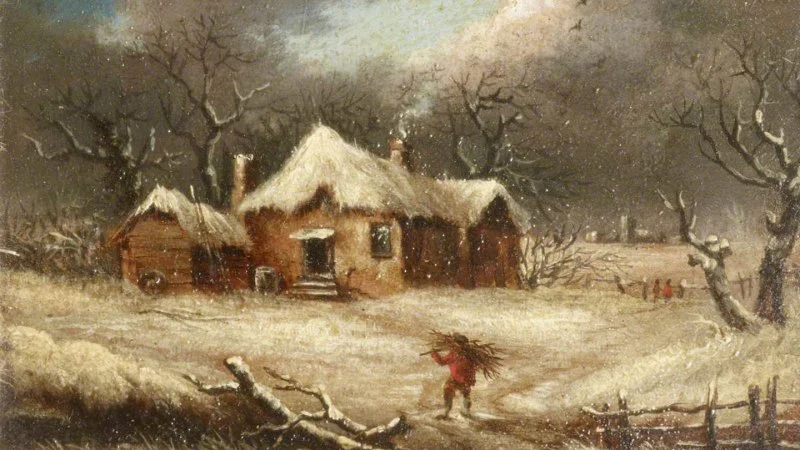
Children in rural northern England may have faced a seasonal vitamin D shortfall during the Little Ice Age, with some developing rickets. Evidence from teeth and skeletons suggests cold weather could have compounded other barriers to getting enough ultraviolet light. The remains offer a view of how environmental conditions may have affected health long before modern records could track vitamin levels or daily sun exposure.
Teeth record seasonal deficiencies
Ellen Kendall, a bioarchaeologist at Durham University, and colleagues examined calcium mineralization in the remains of 21 people buried in North Shields between 1711 and 1829. Vitamin D helps the body incorporate calcium into bones; when levels are low during tooth development, mineralization can fail and leave visible gaps. Because teeth form in stages, those defects can preserve evidence of disruptions during childhood rather than merely reflect a person’s condition at death.
The team found bands of failed mineralization in teeth, consistent with recurring seasonal vitamin D deficiencies. Some skeletons also showed signs of rickets, a disorder that can develop when people get too little ultraviolet light. The findings were published November 5 in Frontiers in Environmental Archaeology. Taken together, the dental and skeletal evidence points to repeated difficulty maintaining healthy development, though it can’t identify every cause or establish how severe the deficiency was for each person.
North Shields was a small rural town that had not yet industrialized. That makes polluted urban air and indoor factory work less likely explanations for the deficiencies seen in these remains, though it doesn’t rule out other influences. The distinction matters because studies of rickets in industrial cities often focus on crowded housing, pollution and work that kept people indoors; a rural site offers a different set of conditions to consider.
Cold weather may have reduced sun exposure
The Little Ice Age, a period of global cooling that lasted from the 13th to the 19th centuries, was linked to extreme solar cycles and repeated volcanic eruptions. Aerosols from eruptions can block sunlight. During the era’s final 200 years, 18 major eruptions helped drive temperatures in northern Europe down by 2 to 3 degrees Celsius. Those broader climate conditions don’t show how much ultraviolet light reached any individual, but they provide context for asking whether people’s routines changed as winters grew harsher.
Earlier skeletal research has found that rickets became more common in Europe during the 18th and 19th centuries. Industrialization likely contributed: many people lived in polluted cities and worked indoors, where exposure to ultraviolet light was limited. The North Shields evidence raises a separate possibility for rural communities. As Kendall put it, the cold may have added “an extra layer of difficulty” to getting enough sunlight. This is more significant than it looks: the finding broadens the question from where people lived and worked to how climate might have shaped ordinary decisions about spending time outside.
Residents may have kept children inside during winter or covered more of their skin when they went outdoors, Kendall suggests. Either behavior could have reduced the skin’s exposure to ultraviolet light. (And this is the part most people overlook: a climate effect on health can operate through daily habits, not only through direct changes in temperature or sunlight.) The remains don’t establish that cold weather caused the deficiencies, but they offer a way to examine how climate and daily life may have intersected. A plausible pathway, not a proven explanation.
Diet, gender roles and pollution also shaped vitamin D status, Kendall says. Untangling those influences is difficult because human health reflects many conditions at once. A tooth defect can preserve a biological signal, but it can’t by itself reveal what a child ate, how often they went outdoors or which household routines shaped exposure. If you’re working in this space, that gap between evidence of deficiency and evidence of its cause is central to interpreting archaeological remains.
What the evidence can tell us next
The North Shields findings point to a useful next question: whether similar seasonal patterns appear in other communities with different climates and ways of life. Comparisons across sites could help researchers assess whether the pattern seen here was specific to this town or appeared more broadly in rural settings. They’d still need to account for differences in diet, social roles and living conditions, which can leave similar traces for different reasons.
For now, the study adds a plausible factor to the history of rickets without settling the cause. The evidence supports seasonal vitamin D problems among some people buried at North Shields; it doesn’t prove that the Little Ice Age produced them. That distinction keeps the conclusion modest, while leaving a sharper question behind: how did climate, behavior and social conditions combine to shape children’s health?


Discussion
Sign in to join the discussion.