A significant discovery of Denisovan fossils in China provides deeper understanding of these ancient hominins and their way of life.
A Trove from the Past: Discoveries in Bianfu Cave
Recent excavations in Bianfu Cave, located in southwestern China, have unveiled a rich array of Denisovan fossils, tools, and evidence of hunting practices that defy our previous understanding of these enigmatic relatives of modern humans. This trove doesn’t just fill gaps in the Denisovan narrative; it transports us back roughly 134,000 to 167,000 years, offering a compelling glimpse into their existence and daily lives.
Investigating the Excavation
The findings, detailed in two studies published in Nature, arise from a meticulous analysis of over 60,000 bone fragments excavated from the site. Researchers classified these fragments based on shape and size to isolate those that likely belonged to the Denisovans. Advanced protein-analysis techniques proved instrumental in confirming their origins, highlighting a growing trend in paleoanthropology. While traditional methods of analysis such as comparative morphology have their merits, new molecular techniques are becoming increasingly indispensable for accurate identification of ancient remains.
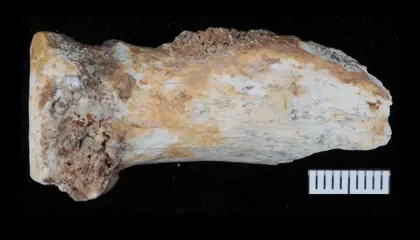
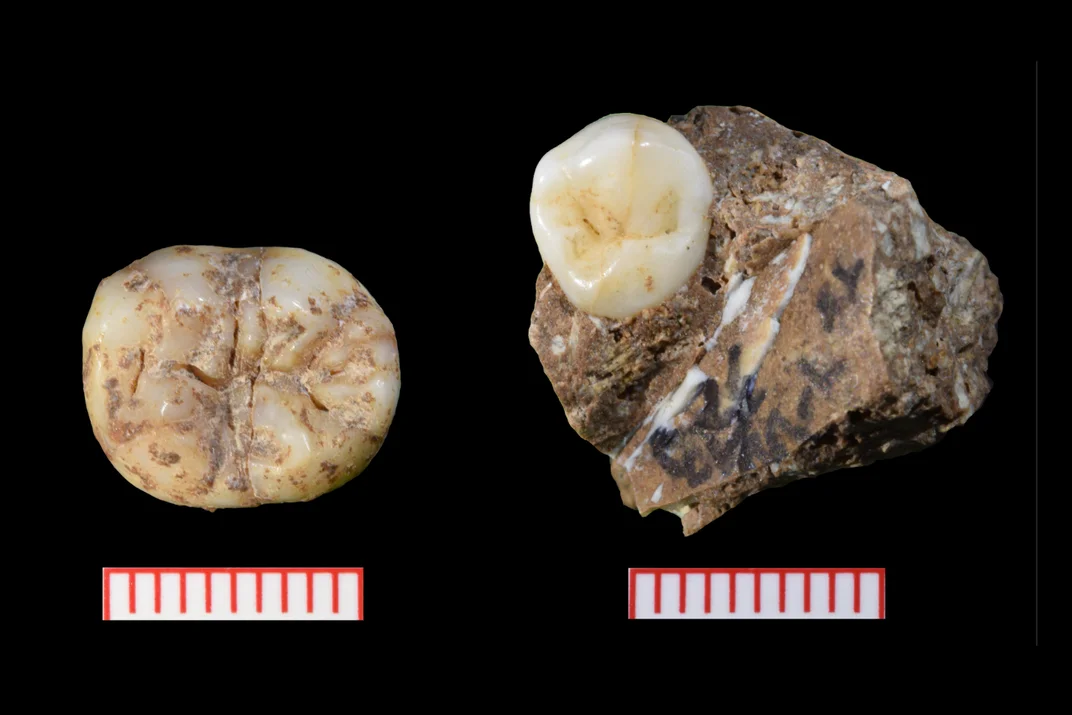
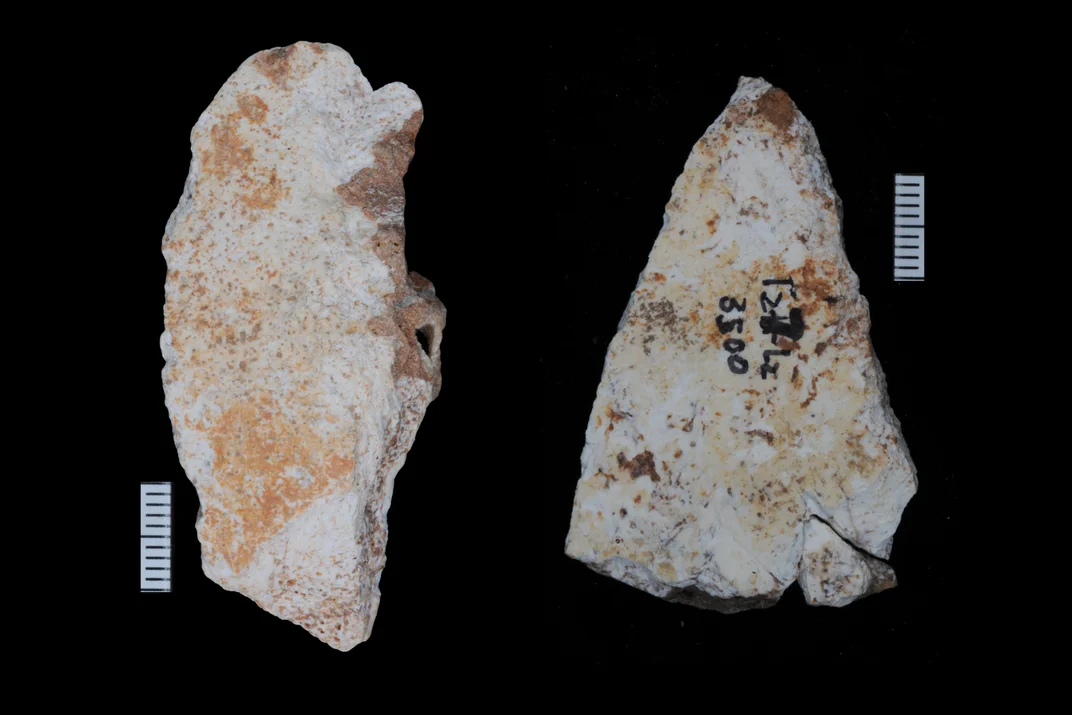
This approach reveals how sophisticated modern scientific techniques have become. The haul includes two skull fragments, four teeth, and a forearm bone, the latter being particularly captivating as it represents the first Denisovan forearm identified in history. Qiaomei Fu, a paleogeneticist involved in the research, pointed out that the forearm shares striking similarities with Neanderthal bones. However, its closer alignment with modern human structure indicates adaptations that allowed for precise manipulation—an important trait for survival in a challenging environment.
Every Tool Tells a Story
Alongside the rich haul of fossils, the team unearthed over 1,300 stone and bone tools. These artifacts suggest that Denisovans inhabited the site for a significant period, specifically between 70,000 to 190,000 years ago. What's intriguing is the minimal evidence of other hominins cohabiting in the area. This isolation raises questions about the social structures the Denisovans employed and whether they were solitary hunters or lived in more complex social units.
The characteristics of the tools imply a flexible adaptation to their environment, which provides incredible insight into Denisovan innovation. These tools were relatively simple but quickly crafted, suggesting that survival strategies relied more on adaptability than on elaborate technology. This efficiency must have played a vital role in their ability to thrive in a variety of conditions.
A Rich Habitat
Pollen analysis indicates that Bianfu Cave was surrounded by a coniferous forest, a habitat teeming with potential for hunting and foraging. The animal remains discovered at the site, including large game like deer and water buffalo, offer further insight into their hunting techniques. The cut marks seen on these bones demonstrate an acute skill set developed over generations—skill and knowledge shared and passed down.
Expanding the Geographical Understanding
This discovery significantly broadens the known geographical range of Denisovans, with Bianfu Cave providing the first tangible evidence of their presence in southwestern China. Shara Bailey, a biological anthropologist, emphasized the implications of this site for understanding Denisovan adaptation to varied landscapes. As our knowledge of Denisovan distribution expands, so too must our understanding of how these hominins interacted with their environment and potentially with each other.
One notable aspect of this excavation is the preservation condition of the site, which, although relatively warm, has actually hindered DNA recovery. This is just one reminder of the complexities inherent in studying ancient remains. Still, the intact amino acids found in the fossils are noteworthy, sparking discussions on alternative methods for genetic analysis even when traditional approaches falter.
Shaping Future Research
As both studies are set to reshape academia's approach to Denisovans, the findings provide multifaceted insights into their anatomy, tool-making, and dietary practices. This knowledge is invaluable for anthropologists looking to better comprehend this group of hominins, which existed alongside Neanderthals and early modern humans. What this means for you, if you're working in this space, is that the era of interpreting human evolution is entering a new chapter—one increasingly guided by empirical evidence.
Looking Ahead: Implications for Understanding Human Evolution
As more discoveries like this emerge, questions surrounding the interactions between Denisovans and other hominins come into sharper focus. They lived within our timeframe, a mere blink in the geological record, yet their stories contribute significantly to the larger narrative of human evolution. The implications here extend beyond academic curiosity; they challenge existing theories on migration, adaptation, and even extinction. Each find at sites like Bianfu Cave pushes the boundaries of our understanding, hinting at the rich tapestry of human ancestry still waiting to be unwoven. This is more significant than it looks—for it ignites discussions and investigations that could reshape our understanding of what it means to be human.


Discussion
Sign in to join the discussion.