Research reveals that historical art is filled with scientific insights about nature, showcasing artists’ keen observations well before formal studies began.
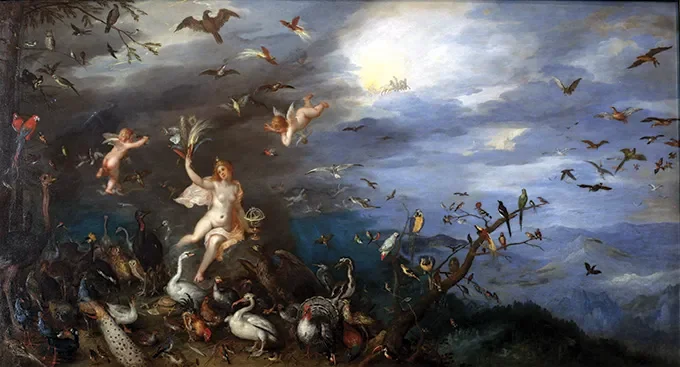
In Jan Brueghel the Elder's 1611 painting "Air," a bat gripping a songbird might seem purely artistic, yet it represents a real behavior not confirmed by science until 400 years later. This convergence of art and science illustrates how artists can capture biological phenomena, from predator-prey relationships to metamorphosis. Brueghel's ability to weave narrative and realism invites viewers into a complex dialogue about the interactions between species, a theme that resonates with contemporary ecological discussions about biodiversity and ecosystem dynamics.
The Ecological Insight of Historical Art
Pedro Romero-Vidal, an ecologist at Seville’s Doñana Biological Station, found the bat's depiction—specifically a greater noctule bat (Nyctalus lasiopterus)—particularly striking. While this species typically preys on insects, Brueghel may have encountered accounts of bird-eating during trips to Italy, blending travel, imagination, and observation in his work. It wasn't until the early 2000s that scientists confirmed these observations through studies on bat feces, with definitive evidence emerging as recently as 2025. This intricate interplay between the artistic and the scientific not only highlights Brueghel's perceptive understanding of the natural world but also raises questions about how much knowledge was circulating in the artistic communities of the time.
Romero-Vidal's findings are part of a broader effort to explore how historic art can provide ecological insights. This undertaking includes analyzing over 1,500 works featuring exotic animals like monkeys and parrots, commonly transported long distances during the age of exploration. As scholars like Romero-Vidal sift through these masterpieces, they uncover a rich tapestry of knowledge revealing artists’ awareness of these species, their habitats, and the changing environmental conditions of their time. This intersection of art and ecology offers windows into past societies, reminding us that ecological awareness isn't just a modern concern; it’s part of our cultural history.
“Where it gets really exciting is when [art historians and scientists] come together and share their expertise.”
Christopher Atkins
Museum of Fine Arts historian
Case Studies in Ecological Art
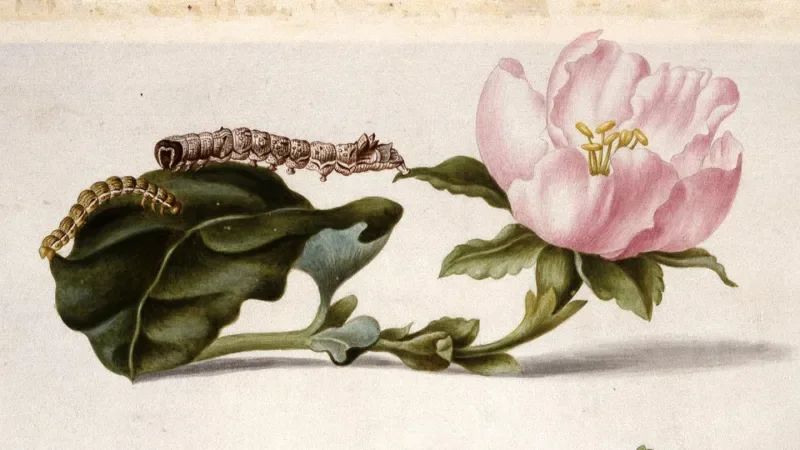
This artistic exploration isn't unique to Brueghel. Maria Sibylla Merian, a German-born artist active from the late 17th to early 18th century, also conveyed ecological knowledge through her intricately detailed still lifes. As Art Historian Anna Knaap notes, Merian was groundbreaking for matching insects with their host plants long before it became a common scientific practice, influencing taxonomists like Carl Linnaeus. Merian's work reminds us of the delicate interdependence within ecosystems. Her observations were not mere artistic embellishments but a testament to her keen understanding of natural relationships.
More recently, the Museum of Fine Arts showcased the works of Rachel Ruysch, another artist active in the same period. Collaborations between historians like Knaap and biologists such as Charles Davis from Harvard have unearthed fascinating scientific correlations in Ruysch's oeuvre. Davis recognized the intricate botanical details accurately depicted in Ruysch’s paintings, which have allowed researchers to identify specific species connected to Dutch colonial exploration. This connection not only enriches our understanding of Ruysch's artistry but also how her work fits into the broader narrative of ecological and colonial history.
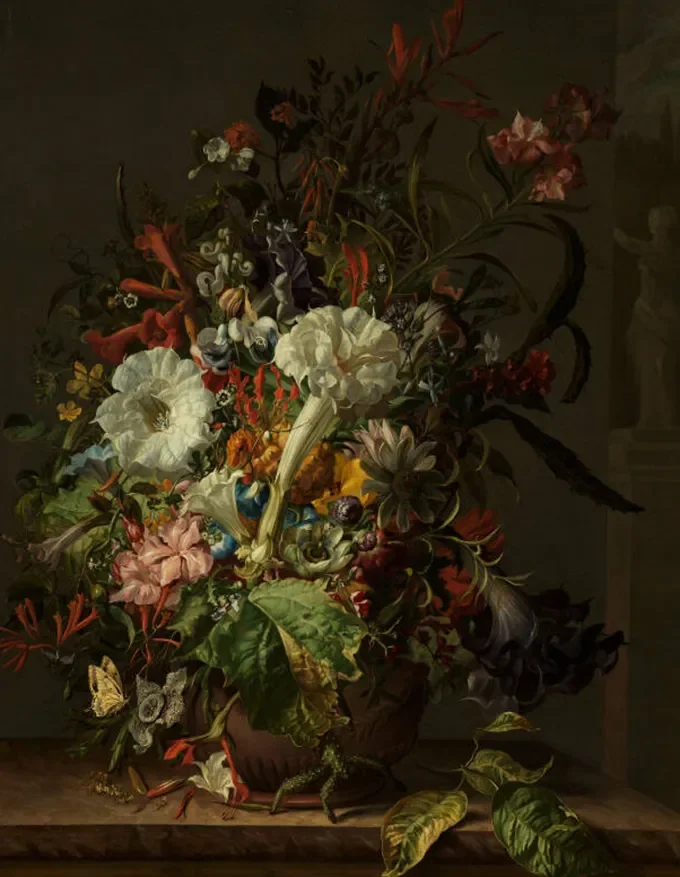
Davis’s examination of Ruysch’s works even led to the discovery of an amusing mistake: in one well-known painting, he found a swallowtail butterfly depicted near a carrion flower, which typically attracts flies, not butterflies. This suggests Ruysch's experience with these flora might have been limited to botanical gardens rather than natural habitats. It highlights the tensions that can exist between artistic interpretation and scientific accuracy—an age-old debate that's relevant in many disciplines today.
The Dual Approach: Art and Science Intersect
Art historians employ various methods to discern whether artists aimed for realism or embraced artistic license. Christopher Atkins outlines their approach of comparing visual evidence and recurring motifs within an artist's body of work. Such analysis helps distinguish between intentional depictions of accuracy and stylistic embellishments. This multilayered strategy encourages a dialogue between disciplines, facilitating a richer understanding of how art reflects, challenges, and informs scientific ideas.
While many artists from this period failed to document their scientific insights through writing, their works visually reflect these ideas. Collaborative efforts between art historians and scientists can unveil the scientific significance embedded in these masterpieces. “These themes have been overlooked for centuries,” Atkins observes. The merging of disciplines provides fresh perspectives and allows for deeper engagement with the material. (And this is the part most people overlook: the value lies not only in what we learn about the past but in how this knowledge shapes our view of contemporary ecological issues.)
Implications for the Future of Art and Ecology
What this means for you, particularly if you're working in this space, is significant. Art doesn’t merely serve aesthetic purposes; it has the potential to inform ecological understanding and shape public discourse. As collaborations between scientists and art historians flourish, we begin to recognize that artists have long documented the world around them in ways that science is only now validating. This approach could inspire a new generation of artists and scientists to address current ecological challenges by drawing on insights from the past. You might even say we’re at a tipping point—where the fusion of discipline can yield not only historical insights but also pave the way for future environmental advocacy. It'll be interesting to see how this relationship develops in the coming years and what new perspectives it might unearth.

Discussion
Sign in to join the discussion.