The Trump administration's proposed changes to climate regulations may significantly hinder future efforts to combat climate change in the U.S.
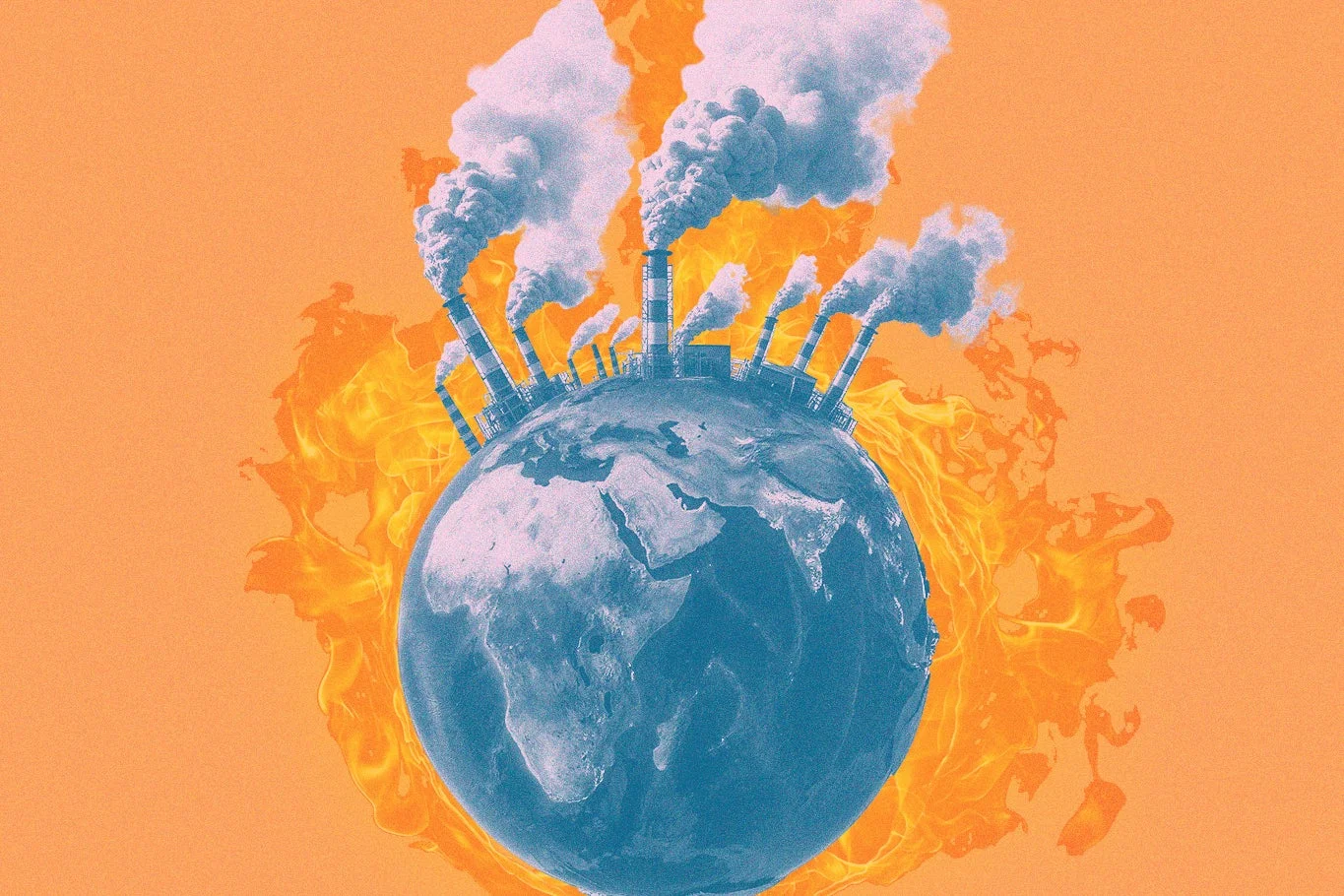
Today marks a pivotal moment for climate policy in the United States, particularly for those concerned about environmental sustainability. The Trump administration has announced plans to roll back critical regulations governing climate pollution from power plants and to limit the ability of future administrations to impose similar restrictions. Should these proposals move forward, they could dismantle a substantial part of U.S. climate strategy and complicate efforts to mitigate severe climate change effects.
Both the Obama and Biden administrations leveraged the Clean Air Act to push for reduced greenhouse gas emissions linked to climate change, but Trump's approach directly counters these initiatives. He has publicly dismissed climate change as a hoax and has previously withdrawn from international climate agreements aimed at alleviating global warming. The new rules target Biden's regulations requiring coal and natural gas power plants to control their carbon emissions. Reports suggest that one proposed rule could argue these plants do not significantly contribute to climate change or pollution, even as coal remains the most damaging fossil fuel in terms of emissions. Another proposal is expected to present a broader claim that power plant emissions do not trigger the EPA’s regulatory standards under the Clean Air Act.
The power sector is the second-largest contributor to greenhouse gas emissions in the U.S., following transportation, and it plays a significant role globally. Limiting the EPA’s capacity to regulate this sector under one of the most influential environmental laws would severely curtail mechanisms that help Democratic leaders minimize climate impact, effectively tying the hands of any future Democratic presidents.
Earlier, the Trump administration rescinded the EPA's longstanding "endangerment finding," which acknowledged the health risks associated with greenhouse gases. This foundational decision has facilitated a broader deregulatory agenda against climate policies. Trump has already lifted restrictions on vehicle emissions and canceled funding for clean energy initiatives in states that lean Democratic, also postponing measures aimed at banning harmful chemicals that are significantly more potent than carbon dioxide in trapping heat.
The reasoning from Trump officials behind these regulatory changes centers on the belief that climate rules hinder the fossil fuel sector, damage the economy, and inflate electricity costs for consumers. However, research from the EPA has indicated that repealing these pollution standards is unlikely to lower utility costs or revitalize a coal industry that has been in decline for years. Instead, these changes would primarily benefit fossil fuel stakeholders, with limited tangible financial impact on the average American compared to the environmental and health risks that could arise from increased pollution.
Environmental advocates and Democratic-led states are preparing to challenge these new rules legally, as they have done with previous regulatory rollbacks. These lawsuits could extend over significant periods, but the conservative majority in the Supreme Court has historically exhibited a lack of urgency regarding climate issues. For instance, Chief Justice John Roberts was instrumental in obstructing the Clean Power Plan back in 2016, citing potential "irreparable harm" to energy companies. Additionally, in 2022, the Court's limitations on EPA’s powers prompted a shift to piecemeal climate actions under the Biden administration.
If these new regulations come into play, we could see a detrimental shift toward higher emissions within the climate change battle. A scenario where emissions gain the upper hand would not only accelerate climate change but also elevate health concerns due to the pollution emitted by fossil fuel power plants. The Biden administration's previous efforts had aimed at averting a significant number of health issues, forecasting potential prevention of up to 1,200 premature deaths and around 360,000 asthma attacks by the year 2035 through its power plant regulations.
While certain Democratic-led states have taken initiative by pursuing stricter regulations and even attempts to hold fossil fuel companies financially accountable for climate-related damages, their actions alone will struggle to counterbalance a federal administration that appears intent on promoting fossil fuel interests. The urgency of swift climate action has never been clearer, as the consequences of inaction loom larger.
It's a challenging and disheartening reality to face in our climate discourse, but it underscores the importance of persistent advocacy and the need for vigilance in holding leaders accountable for environmental policy.


Discussion
Sign in to join the discussion.