A new study reveals that climate change is driving malaria to new regions in Africa, urging immediate action on preventive measures.
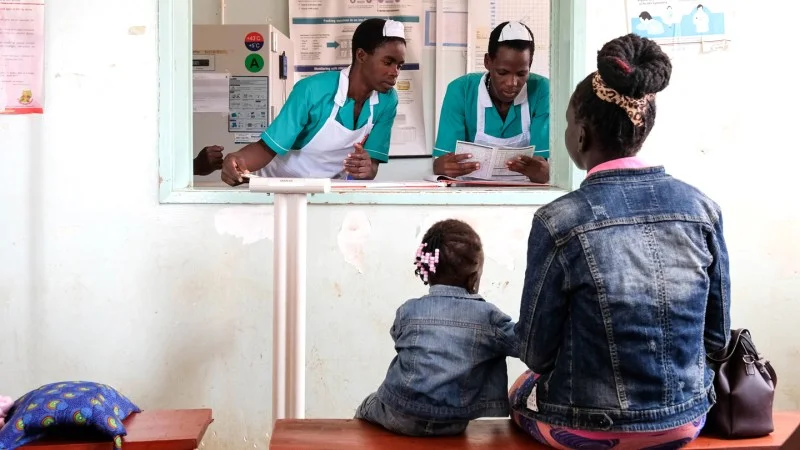
Malaria, a longstanding global health concern, is increasingly shifting its geographic footprint.
The Changing Dynamics of Malaria
A recent study published on July 29 in Nature examines how climate change is reshaping the spread of malaria in Africa, suggesting a worrying move from the traditionally affected West and Central Africa towards the eastern and southern parts of the continent. This finding aligns with predictions regarding the consequences of global warming. It raises fundamental questions about public health strategies and resource allocation, particularly in regions that were previously considered low-risk for malaria.
Climate and Malaria Transmission
According to Romaric Odoulami, a climatologist at the University of Cape Town, increasing temperatures may create a less hospitable environment for malaria-carrying mosquitoes in the western regions while simultaneously offering a more conducive climate in the east and south. “Malaria transmission and the life cycles of mosquitoes are highly sensitive to temperature,” he notes. This sensitivity means that even slight variations in temperature can lead to significant shifts in the distribution of malaria, which could catch public health officials off guard if they don't adapt swiftly.
This shift marks a significant transformation in the epidemiological map of malaria. Historically, the disease has thrived in West and Central Africa due to favorable climatic conditions for both the Plasmodium parasite and the Anopheles mosquitoes that spread it. Laboratory studies indicate that peak transmission occurs at around 25° Celsius, whereas transmission declines at temperatures below 19° C and above 34° C. It's interesting to note that while high-altitude areas of East Africa and coastal southern Africa typically remain cool enough to prevent malaria from establishing itself, those dynamics may shift as global temperatures continue to rise. Concentrating on hotbeds such as Nigeria and the Democratic Republic of the Congo, these countries have long faced the brunt of malaria cases and associated mortality rates.
Changing Patterns of Malaria Cases
However, an extensive analysis of blood sample datasets from sub-Saharan Africa over the past century indicates that these dynamics are changing. Odoulami and his team employed a computer model that linked the prevalence of childhood malaria to variables like temperature and precipitation, comparing it against a theoretical model operating without the influence of climate change. This rigorous approach helps contextualize the immediate health risks associated with climate trends.
The findings reveal that between 1901 and 2014, climate change has likely contributed to a net 0.5 percent increase in malaria transmission across sub-Saharan Africa—translating to one additional case for every 1,000 children. Notably, regions in East and southern Africa experienced more pronounced increases. For instance, malaria cases rose by eight per 1,000 children in the Ethiopian highlands. Meanwhile, certain areas in West Africa saw a decline of 1 to 2 percent, or about four fewer cases per 1,000 children. This disparity suggests that while some regions benefit from cooler climates, others now face newly emerging risks that weren't previously anticipated. Projections suggest that climate change may lower malaria transmission rates in sub-Saharan Africa by 2 percent over the next 85 years, given a mid-range global warming scenario of 2.7° C. But is this decline really enough to offset the potential new challenges?
Public Health Measures and Challenges
Despite the climatic influences indicated by the data, Cyril Caminade of the Abdus Salam International Centre for Theoretical Physics emphasizes that control efforts currently surpass the impact of climate variability on malaria transmission rates. He stresses the importance of expanding preventive measures—such as mosquito bed nets, insecticide treatments, and malaria prophylaxis—into regions where the risk of transmission is anticipated to rise. This creates a sense of urgency around the need for adaptive strategies in public health, especially since many communities are ill-prepared for these shifts.
“Africa can’t afford to wait for major global polluters to take necessary action against climate change,” Odoulami argues. “It's crucial for awareness to be raised in areas where knowledge about malaria is scant.” His statement underscores a broader issue: communities that are least responsible for climate change are often the ones most affected by its consequences. Without proactive measures, vulnerable populations could bear the brunt of a worsening health crisis.
Implications for the Future
What this means for you—if you're working in this space—are profound implications. The geographic shift in malaria could redefine the allocation of resources in public health. Regions previously considered protected may need to ramp up preventative measures urgently, while hotbeds must sustain their current initiatives. You'll likely see more studies and interventions aimed at understanding and combating malaria in these newly vulnerable regions. And yet, as the burden of disease expands artificially due to climate factors, healthcare systems must be prepared to adapt, possibly leading to more strain on already limited resources.
And this is the part most people overlook: the intersection of climate science and public health policy could dictate the future of malaria control efforts. Renewed urgency for funding and innovative strategies will be essential. Each passing year only increases the dependency of communities on effective, science-backed responses to counter this growing threat.
In sum, climate change isn’t merely an environmental issue; it’s intimately tied to public health outcomes. The shifting profile of malaria transmission patterns reinforces the need for targeted and informed response strategies that include community engagement and education. All eyes will be on how swiftly authorities can act. The long-term health of populations across Africa hangs in the balance.


Discussion
Sign in to join the discussion.