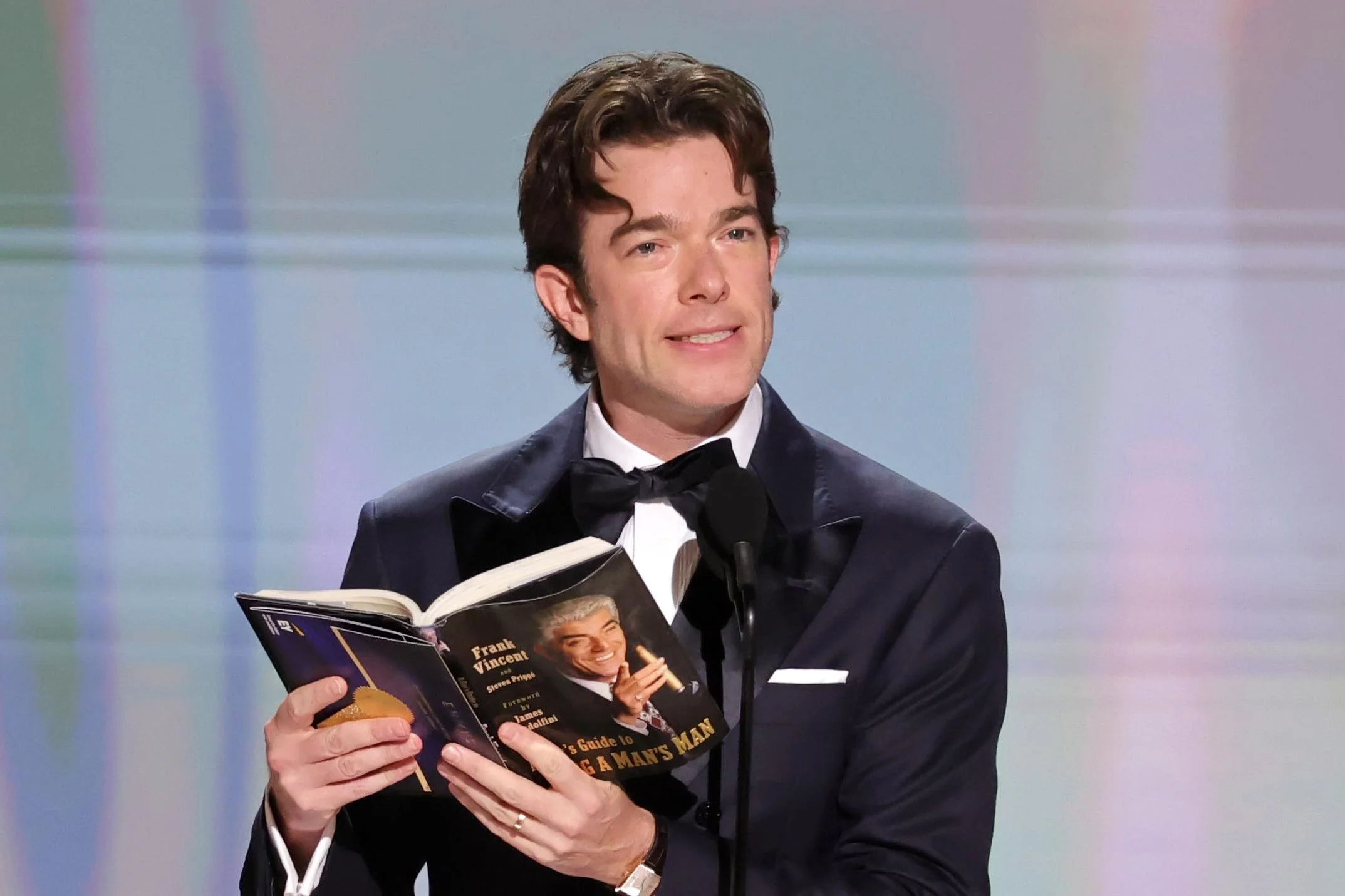
John Mulaney stole the spotlight at the Emmys with a witty routine that humorously tackled men's roles in Hollywood while presenting an award.
A Night of Surprises at the Emmys
Monday's 78th Primetime Emmy Awards took an unexpected turn as John Mulaney delivered a memorable comedic routine while presenting the award for Best Lead Actor in a Drama Series. By shifting the ceremony from its usual Sunday airing to avoid a clash with Sunday Night Football, organizers aimed to capture a broader television audience. Hosting this year was Mariska Hargitay, a well-recognized figure for her long-standing role in Law & Order: SVU. This choice embodied the event's balance between tradition and a new direction, reflecting the evolving nature of televised award ceremonies.
Mulaney's Standout Moment
As Mulaney took the stage, he veered away from a typical script, launching into a tongue-in-cheek exploration of what he humorously termed “men’s oppression in Hollywood.” His approach was intentional and strategic. By poking fun at traditional narratives and highlighting the nuances of representation in media, he struck a chord with both the audience and those who understand the changing dynamics within the industry. With lines like, “Finally something for the fellas,” he set an irreverently playful tone that resonated deeply. The irony of claiming that men face adversity in an industry where they have historically dominated sparked an essential dialogue about representation, setting the stage for a more meaningful performance.
Smart Satire and Cultural Commentary
Mulaney continued his routine by referencing television's history, joking, “For the first three years TV existed, there were no men on it.” This kind of satire is effective as it taps into the collective memory of television shows that shaped American culture and humor. His line about the iconic character Fonzie from Happy Days exemplified how a single character can dominate a narrative, showcasing both nostalgia and the absurdity of past trends. The humor landed well, particularly for prominent attendees like nominee Sterling K. Brown, who was visibly entertained.
With keen observations about actors' methods and the typecasting of male roles, Mulaney quipped about their limited portrayals: “Not just doctors. They can play a cop, or an FBI agent, or a secret agent, and then that’s it.” This punchline wasn't just a laugh line; it illuminated the restricted roles available to male actors compared to their female counterparts. The awareness of such typecasting has gained traction in recent years, drawing attention to the broader issues of diversity and representation. Mulaney’s ability to weave humor into this critique showcased how comedy can serve as a lens for analyzing societal norms.
Props and Provocations
The highlight came with a provocative reference to DJ Khaled's controversial stance on masculinity. Mulaney's retort, recalling, “I believe it was DJ Khaled who said real men don’t go down on their wives,” turned heads, especially when he followed with a playful rebuttal that drew laughter and applause from the audience. Even though NBC bleeped the statement, the impact wasn’t lost. Backlash against traditional masculinity has been pronounced in recent conversations, and Mulaney's timely insertion of this topic into a mainstream entertainment setting fueled ongoing discussions. In an era when public figures are scrutinizing outdated gender norms, this commentary feels particularly relevant.
He further elevated the moment by showcasing a book he borrowed from the Glendale Public Library, A Guy’s Guide to Being a Man’s Man by Frank Vincent. In a smooth transition to the nominees, he read an excerpt that centered on respect and genuine masculinity. This choice of material was strategic—not only did it keep viewers engaged, but it also juxtaposed stereotypical depictions of manhood with a more progressive vision. Mulaney's mix of raunchy humor and engaging storytelling captivated viewers and attendees alike. His intention to provoke thought while entertaining was clear, making him not only a host but a catalyst for discussion.
A Memorable Conclusion
While Noah Wyle ultimately took home the award for his role in The Pitt, Mulaney undoubtedly clinched the night with a performance that deftly critiqued current cultural discussions around masculinity. His comedic prowess not only entertained but sparked conversations that extended beyond the awards ceremony, leaving a lasting impression on both audiences at home and in the auditorium. This isn’t just about comedy; it’s about how humor can highlight pressing societal issues.
Implications and Future Outlook
What Mulaney did at the Emmys reflects a broader trend in entertainment: the merging of humor with social commentary. If you're working in this space, recognizing this shift is key. The success of such performances signals a demand for content that not only entertains but also addresses real issues in our society, especially those concerning gender roles and representation. As platforms and creators lean more into this model, we could see richer, more complex narratives emerging in both television and film.
Ultimately, the full performance, which has not yet made its way to YouTube, can be viewed on the official Emmy website. This moment highlights how award shows are transforming into spaces for cultural reflection and discussion, anticipating what comes next in Hollywood’s evolving dialogue.


Discussion
Sign in to join the discussion.