Miele and Dyson introduce cameras in dishwashers and electric toothbrushes, raising questions about privacy and consumer behavior in smart home tech.
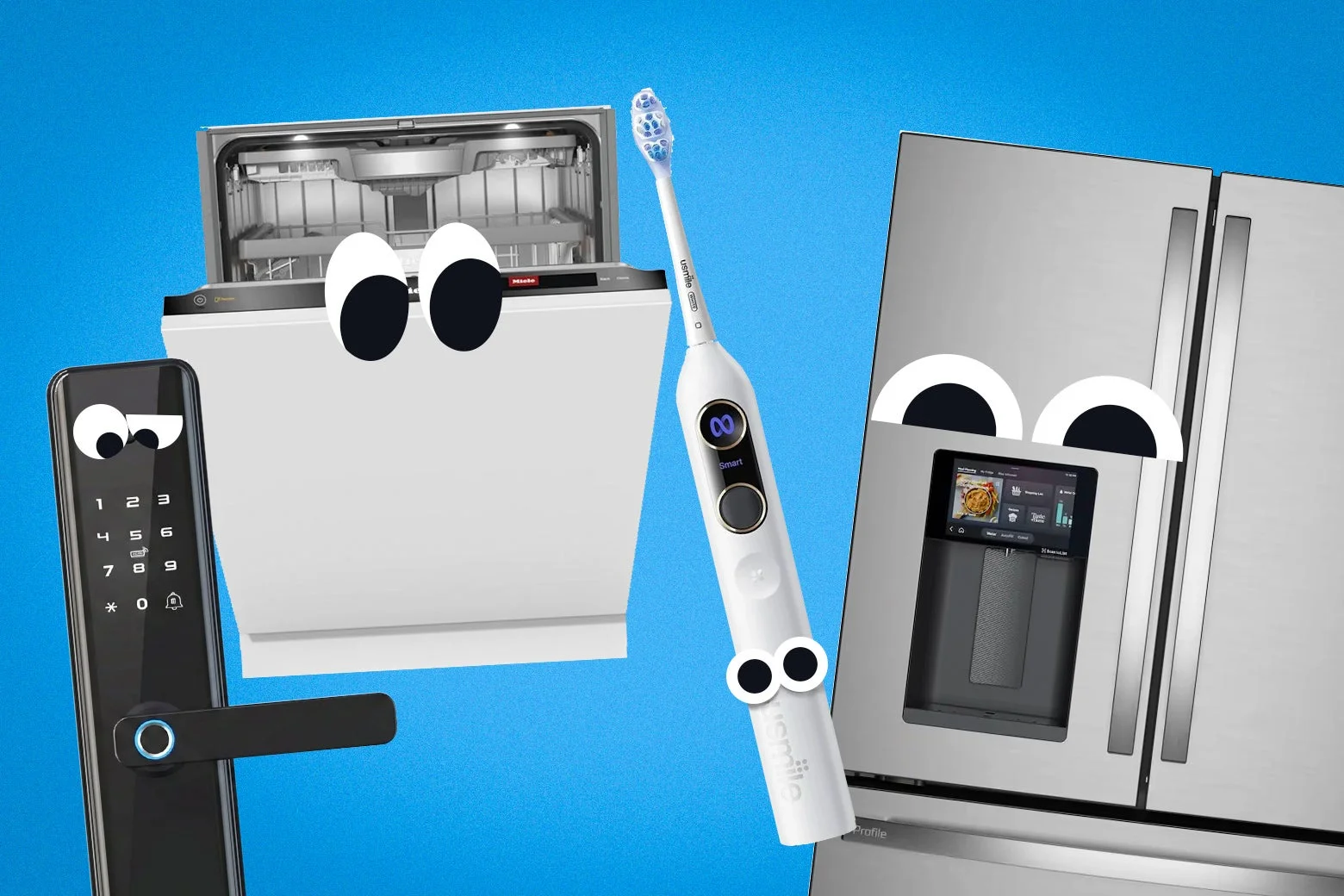
While the functionality of a dishwasher might have seemed straightforward, Miele's latest offering pushes the boundaries of what consumers can monitor at home. Unveiled at IFA 2026 in Berlin, their new smart dishwasher integrates an internal camera, allowing users to observe the washing process via an accompanying app. This innovation also enables the appliance to optimize its operations by running during off-peak electricity hours, further enhancing its efficiency and user-friendliness.
The Rise of Smart Appliances
The evolution of kitchen appliances into smart devices isn’t just a trend; it's a significant shift in how we interact with technology in our homes. This addition isn't isolated; the trend of embedding cameras in kitchen and household appliances is quickly gaining momentum. Smart devices, from ovens to refrigerators and even doorbells, are evolving to include visual monitoring capabilities intended to eliminate household mysteries. Not to be outdone, Dyson recently launched a $500 electric toothbrush equipped with a minuscule 100,000-pixel macro-lens camera that streams a live feed of your teeth as you brush. Such innovations present an intriguing juxtaposition — while consumers gain insights into their daily tasks, they also face a growing array of options that promise to elevate performance and redefine user expectations of home appliances.
Productivity Meets Consumer Anxiety
What’s compelling here is the increased productivity these devices promise amidst a culture that often prioritizes efficiency and time management. As everyday life gets busier, there’s a palpable anxiety surrounding mundane tasks not being executed correctly — what if the dishwasher doesn’t clean adequately? No one wants a pile of dirty dishes looming after a long day, and insufficient brushing could lead to costly dental bills. This worry triggers a fascinating paradox, where more people find themselves drawn to technologies that allow for constant surveillance of daily tasks, despite the fact that these same digital devices can complicate rather than simplify life. It's a juxtaposition of wanting reassurance and risking an overload of information.
The Privacy Paradox
However, the proliferation of cameras brings a complex dichotomy into the home: consumers desire transparency and control over their domestic realities while grappling with growing concerns about privacy. We’re living in an age where vigilance is often met with resistance. The backlash against surveillance technologies is telling, with incidents of vandalism becoming more frequent. The validity of these privacy concerns is heightened by a general distrust in how corporations manage consumer data. Though many comprehend that technology can streamline tasks and provide valuable insights, there’s a hesitance towards adding more eyes into private spaces. Many perceive these innovations as an invasion, a conflict where they want to improve efficiency while also longing for a semblance of privacy.
Consumer Rights vs. Technological Advancement
The introduction of cameras in household items reflects a necessity for connection to our appliances, yet it underscores the tension between wanting insight and fearing overreach. There’s an arms race of functionality taking place, prompting ongoing debates about consumer rights versus technological advancement. It raises numerous ethical questions: How much visibility is too much? Are these appliances supporter of our lifestyle, or do they inherently complicate our sense of autonomy? Yet, history has exhibited a pattern where public apprehension towards technology often succumbs to gradual acceptance. Once seen as controversial, innovations like elevators have found their place in our daily lives, normalized through shifts in societal behaviors and comfort levels. Human nature tends to adapt — even as initial reactions may resist change.
Future Implications and Consumer Sentiment
It remains to be seen whether consumers will embrace or shun these innovations. The potential for a Dyson toothbrush or Miele dishwasher to morph into an instrument for broader surveillance remains a hypothetical scenario, often exaggerated by fear. It's not that these technologies will lead to incessant monitoring or serve a malicious end; the elephant in the room, however, is how these devices can monitor the usual occurrences that might otherwise escape attention. Even tech-savvy buyers balancing their privacy concerns with a genuine curiosity for more control may find themselves reassessing their engagement with these devices in their homes. If you're working in this space, the implications are significant.
As the trend develops, the question lingers: will the convenience these cameras offer outweigh the concerns surrounding privacy? Will it shift the consumer's tolerance toward invasive technology and prompt a reevaluation of agency? As we stand at this crossroads, one thing is clear: the way we integrate and interact with these appliances is likely to evolve, reshaping our domestic experiences in the process. The outcomes of this integration will likely reflect our cultural attitudes toward privacy, technology, and our comfort with the blurred lines between the two. This dialogue will shape the future of smart home technologies far beyond dishwashers and toothbrushes.


Discussion
Sign in to join the discussion.