A Finnish metal detectorist discovered the largest known Viking Age silver hoard in Sysmä, revealing thousands of coins and jewelry from the 11th century.
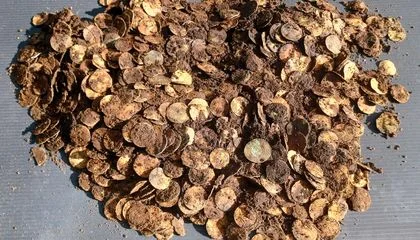
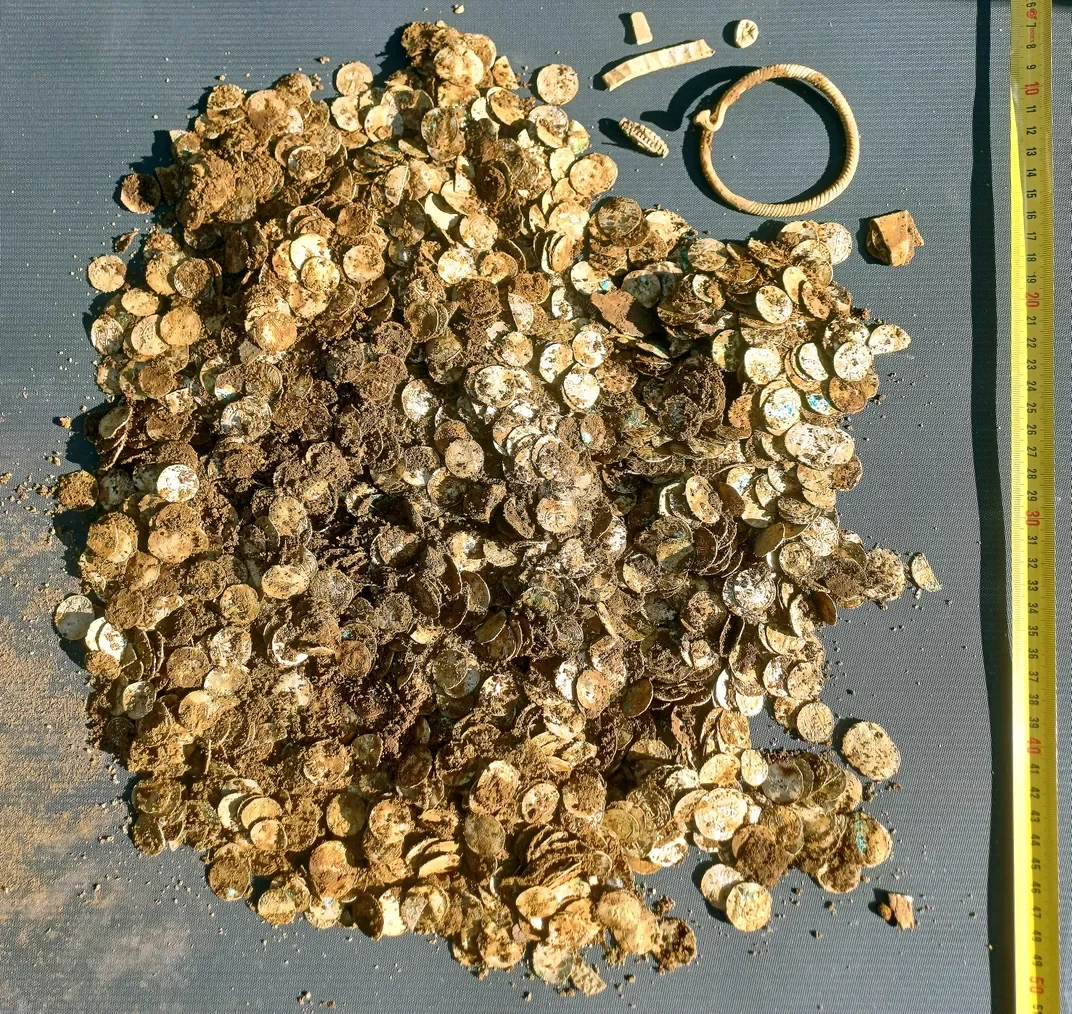
Kalle Lappinen, a metal detector enthusiast in southern Finland, made a remarkable discovery recently when he uncovered the country's largest collection of Late Iron Age silver coins. This exceptional find, buried in the 11th century, is located in the town of Sysmä and is estimated to weigh around ten pounds, featuring both coins and fragments of jewelry.
The Discovery Process: A Metal Detector's Signal
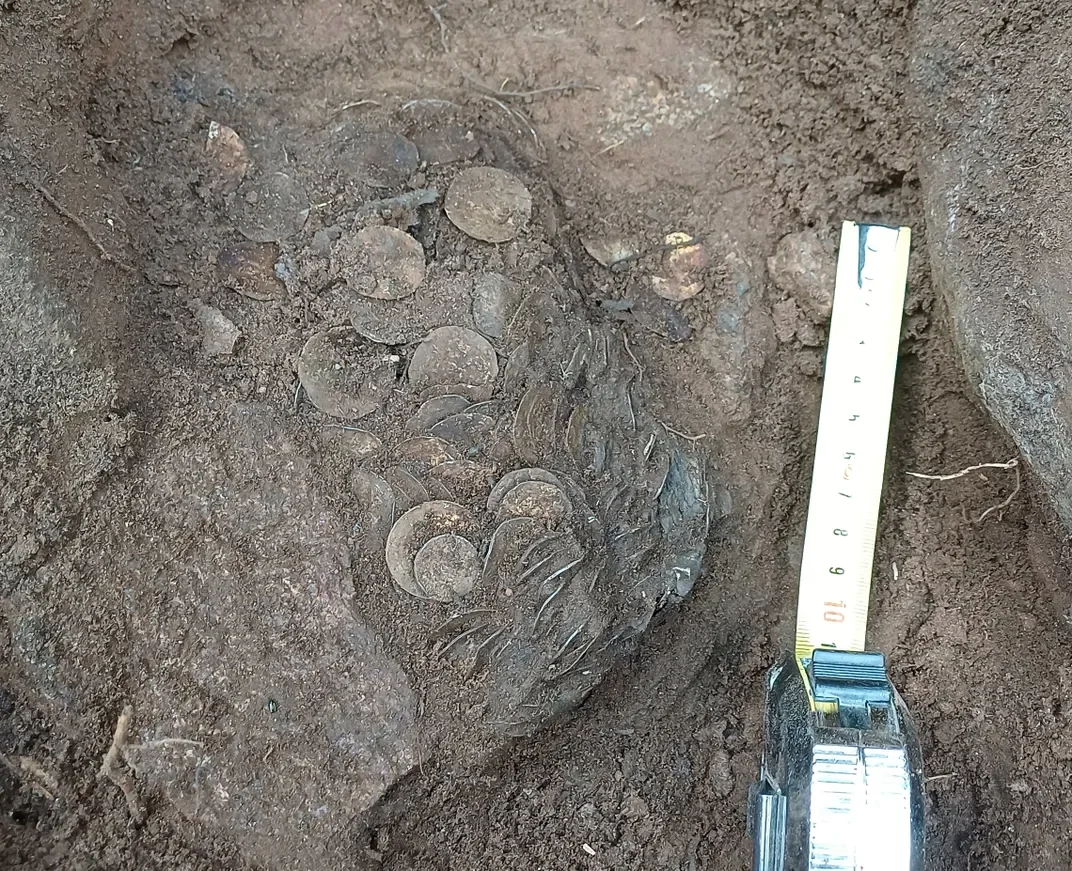
While methodically scanning a familiar area, Lappinen's detector emitted a strong signal, leading him to start digging. This moment of anticipation is not just about the excitement of unearthing historical artifacts; it embodies the thrill of discovery that drives metal detectorists worldwide. He vividly described the moment: “With the fury of a monkey, I dug through the soil, bottom moraine and cobblestones.” Lappinen struck gold—figuratively, of course—when he unearthed “a pile of coins” approximately 18 inches underground. His excitement mirrored the adrenaline rush many hobbyists experience in similar situations. Overcome by exhilaration, he promptly reported his findings to local authorities, demonstrating a strong sense of responsibility that sometimes eludes treasure hunters.
Did you know? The Staffordshire Hoard
One famous discovery was made in 2009 when Terry Herbert found around 3,500 pieces of early medieval gold and silver metalwork in Staffordshire, England, valued at over $5 million.The Archaeological Investigation
The following day, Esko Tikkala, an archaeologist from Lahti City Museums, arrived to examine the find. Their statement revealed that the collection includes unique artifacts like a piece of hacksilver, a silver bracelet, a charm, and numerous silver coins. Experts estimate that the coins, which have not yet been properly cleaned or counted, number in the thousands. It’s here where Lappinen's discovery transitions from personal achievement to a significant archaeological event. According to Tikkala, “There are quite a lot of coins in this hoard,” and he added that detailed analyses will follow, resulting in scientific publications focused on the hoard and the individual coins themselves. The ability to study these artifacts is invaluable, as they offer insights into trade, economy, and cultural practices during a critical phase in Nordic history.
Date and Historical Context
Dating of the hoard suggests it originates from around 1000 to 1050 C.E., a turbulent period coinciding with the latter part of the Viking Age. Tikkala points out that while the term 'Viking Age' pertains to this era, there’s no substantive evidence to suggest that Vikings specifically inhabited Finland at that time. What's fascinating here is Finland's evolving role in the broader Scandinavian context. Although Finland doesn't classify as a Scandinavian territory, historical connections to the Scandinavian cultural sphere grew stronger by the 11th century due to trade, including interactions with Viking sailors across the Baltic Sea, as pointed out by archaeologist Toni Paukku. This gives an important backdrop to the significance of the hoard, highlighting the interconnectedness of these regions.
The Significance of the Burial
The hoard itself was stored in two birch-bark containers and buried approximately 40 feet apart. The reasons behind its burial remain uncertain, but the choice of birch bark for containment speaks volumes on its practical and cultural significance in that era. Historians speculate it reflects a period of unrest, marked by raids and sociopolitical instability characterized by ongoing threats from various groups, including Swedes and Danes. The placement of the burial—a seemingly strategic decision—raises intriguing questions about the urgency or necessity that led to the hoarding of wealth. Paukku noted that hiding treasures was somewhat common during this era in Finland due to societal unrest. He emphasized that whoever buried the silver hoard likely never returned to reclaim it, as no burials associated with the find have been reported.
A Shift in Treasure Discovery
Lappinen’s astonishing find follows a remarkable year for Viking silver discoveries. Just a week prior, a Dane working in his yard unexpectedly uncovered Denmark's largest hoard of Viking silver. Earlier in April, metal detectorists in Norway found their own massive deposit of Viking silver, making Finland's Sysmä hoard not just a local treasure but the largest of its kind in the country, surpassing a five-pound hoard discovered in 1895. What this means for you is that the public's fascination with treasure hunting is not only yielding significant historical finds but also encouraging a richer understanding of our collective past.
Looking Ahead: Implications for Archaeology
This latest discovery has been hailed as a shining example of the potential that responsible metal detecting holds for archaeology. As Eljas Oksanen, an archaeologist at the University of Helsinki, remarked, Lappinen’s efforts illustrate how detectorists can reveal significant historical information from areas that might otherwise remain unexplored by professional archaeologists. Responsible collecting can bridge gaps in our understanding of historical timelines and cultural practices. The interest in the Sysmä hoard could potentially inspire new generations of detectorists, enriching the field while fostering a more collaborative relationship between hobbyists and archaeologists.
In essence, the Sysmä hoard can catalyze both the academic study of history and a broader public interest in archaeology. More finds like this could lead to re-evaluations of historical narratives, prompting scholars and enthusiasts alike to dig deeper into the stories of our past.


Discussion
Sign in to join the discussion.