A drone attack on Saudi Arabia's East-West Pipeline may cut 4% of global oil supplies, impacting prices and availability in the near future.
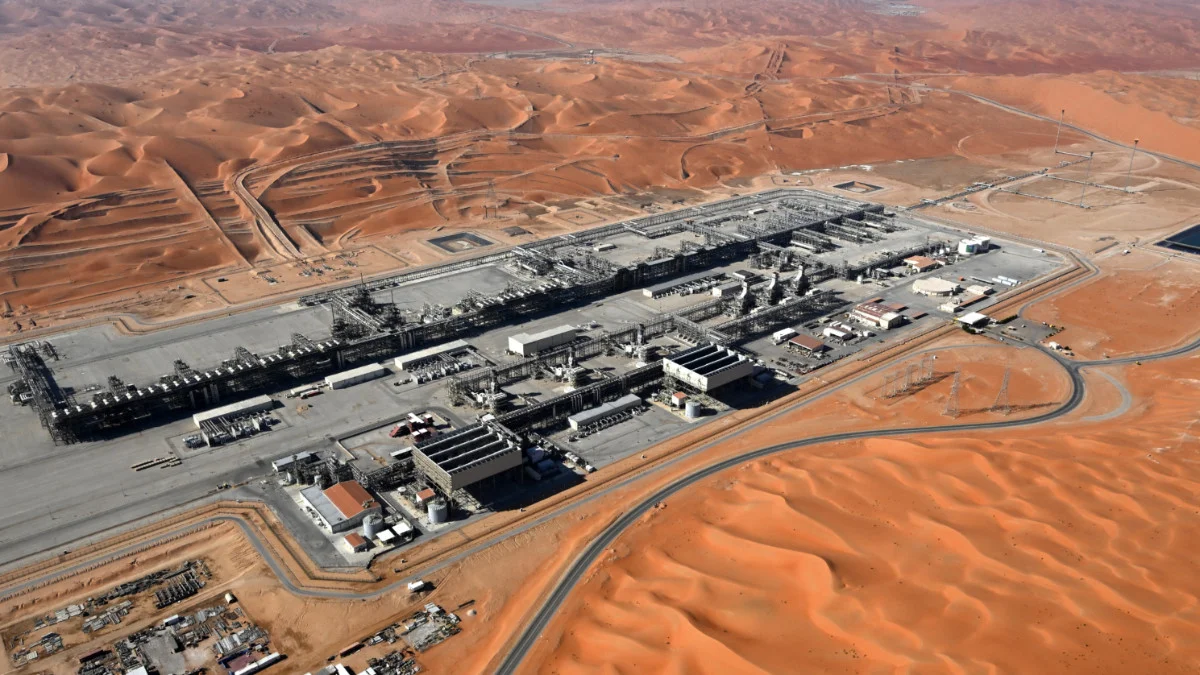
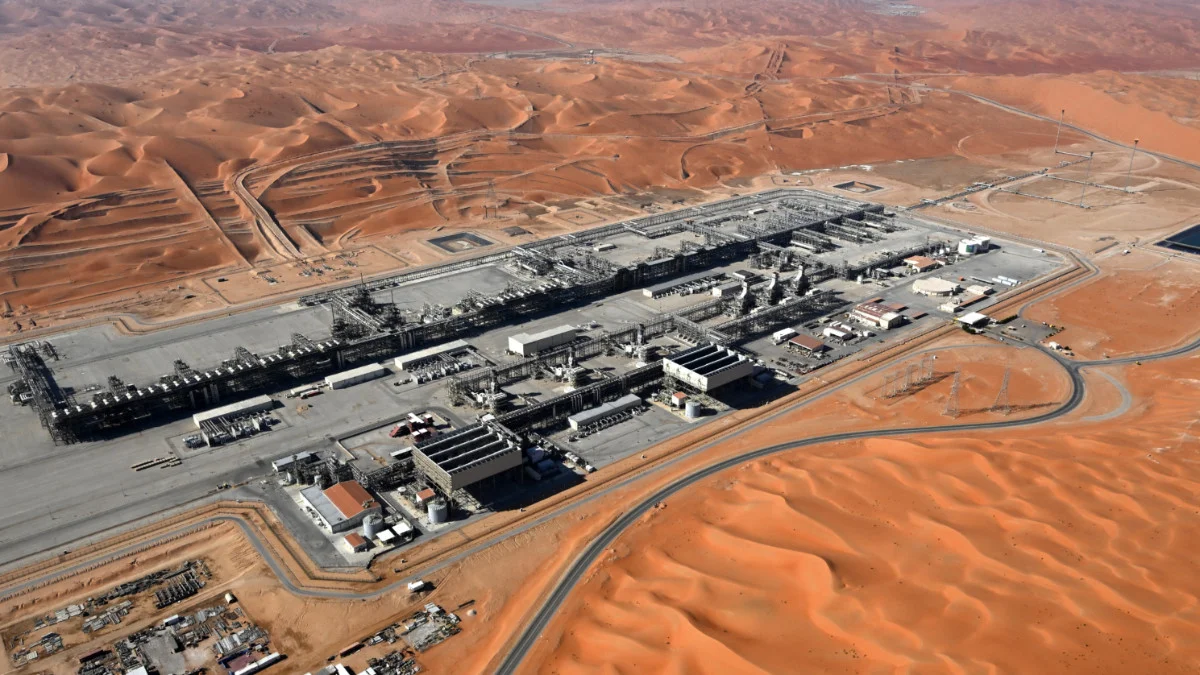
Saudi Arabia faces a possible five to six-week repair timeline following a drone attack that damaged its East-West Pipeline. This situation could take nearly four percent of global oil supply offline, according to recent reports from Reuters.
Understanding the Impact of the Attack on Saudi Arabia's East-West Pipeline
The East-West Pipeline, a critical infrastructure for Saudi Arabia, transports oil from the country's eastern fields directly to its western coast. This infrastructure plays a pivotal role in the kingdom's overall export strategies. With a potential reduction of about four percent of global oil supply, the ramifications could extend far beyond just the Middle East, impacting economies worldwide. When one considers the sheer volume of oil that flows through this pipeline, the urgency and significance of any disruption become clear. Such outages trigger ripples across the global oil market, affecting everything from gasoline prices to heating costs.
The Broader Context of Oil Supply Disruptions
This incident isn't occurring in isolation. The Middle East has long been a hotbed of geopolitical tensions, with oil supply often at the center of conflicts. Recent escalations in the region, particularly involving the Houthi rebels in Yemen, serve as a reminder of the fragile nature of energy security. The Bab el-Mandeb Strait, a strategic choke point for global oil shipments, has been increasingly contested, allowing groups like the Houthis to exert influence over key shipping routes. When these tensions flare up, as seen recently, the effects aren't limited to immediate gas prices. They reverberate through global trade networks and supply chains, forcing companies and governments alike to reassess their energy strategies.
Here's the thing: the stability of oil supply routes is paramount not just for producing nations but for consuming nations as well. Disruptions can lead to immediate spikes in crude oil prices, which, while reactive, signify a larger systemic issue regarding energy reliance on specific regions.
Market Reactions and Pricing Volatility
In the wake of this attack, Brent crude prices surged approximately three percent on Monday, nearing $108 per barrel. This rapid increase underscored the market’s sensitivity to geopolitical unrest. Those familiar with oil markets know that immediate reactions often reflect panic or speculative buying more than actual changes in supply and demand dynamics. The volatility highlights a critical aspect of oil economics: it can shift dramatically based on perception as much as actual production levels.
As prices rise, consumers worry about the trickle-down effects—especially for refined products like gasoline and diesel. This is particularly concerning for industries reliant on these fuels, from logistics to public transport. If you're working in this space, having contingency plans during such upheavals is essential. Companies may need to reassess strategies, possibly looking for alternative suppliers or investing in fuel-efficient technologies to counteract escalating prices.
The Consumer Perspective: Impacts on Fuel Prices
While Brent prices offer a glance at overall market health, they do not directly reflect what consumers pay at the pump for gasoline or diesel. It's noteworthy that the rising Brent price may not reflect the even steeper costs that consumers are facing for oil and particularly refined products such as diesel. A disparity often exists between crude oil prices and refined product prices, influenced by local market conditions, distribution logistics, and regulatory environments. The differing rates can lead to consumer frustration, especially if wholesale prices rise while retailers keep them artificially low in an effort to build customer loyalty.
And this is the part most people overlook: the disconnect between crude prices and retail fuel costs can lead to significant public backlash. Politicians often feel the pressure during times of elevated prices, prompting a flurry of statements and policy proposals aimed at addressing the issue. Yet, the underlying causes are more complicated than mere price adjustments—they involve intricate supply chains and logistical hurdles that are rarely visible to the average consumer.
Addressing Future Energy Security Challenges
Given the interconnectivity of global markets, the incident with the East-West Pipeline highlights the vital importance of energy security for consumers and policymakers alike. As nations pivot towards energy independence and diversification, ongoing conflicts in key oil-producing regions can disrupt those ambitions. Countries may need to prioritize resilience in their energy strategies by investing in alternative energy sources or ensuring diverse supply chains that are less vulnerable to such shocks.
In response to these complexities, some industry analysts suggest that nations could benefit from adopting a two-pronged strategy: reinforce existing energy infrastructures while simultaneously investing in renewable energy sources. This dual approach might mitigate the risks associated with geopolitical volatility while also responding to the urgent call for environmental sustainability.
Looking Ahead: The Implications for Global Oil Dynamics
As Saudi Arabia begins the process of repairing the damaged pipeline, the global oil market will inevitably be on high alert. Market participants, from traders to national governments, will be watching the situation unfold closely, weighing predictions regarding the timeline for repairs against broader market implications. The unfolding scenario raises questions about future energy independence and how much longer the world can rely heavily on oil from geopolitically unstable regions.
Ultimately, the current situation isn't just about a single pipeline or a short-term spike in oil prices. It represents a broader challenge facing the global energy community. Supply disruptions, whether from conflict or unforeseen events, will continue to challenge stability and necessitate a reevaluation of existing energy frameworks on both domestic and international fronts.
Read more: Attack on Saudi Arabian pipeline may cut four percent of world's oil supply


Discussion
Sign in to join the discussion.