Discover the hidden historical significance of Verlée's stone obelisk and its connection to a lost castle, challenging popular misconceptions.
The Enigmatic Obelisk of Verlée
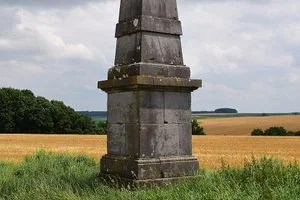
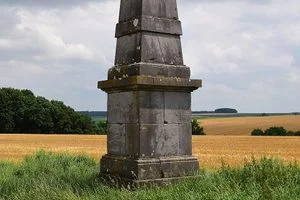
Just over an hour south-east of Brussels lies the quiet hamlet of Verlée, notable primarily for its quaint limestone farmhouses. However, a surprising feature emerges beyond the village—a solitary stone obelisk perched on a ridge along the road to Petit Avin. This monument stands alone amidst the rolling countryside, devoid of nearby structures or explanatory signs, leaving many visitors baffled by its origins and purpose. What might seem like just another curiosity is a fascinating intersection of history and local lore, wrapped in enigma.
A Misguided History
Some theories propose that the obelisk served as a topographical marker for the triangulation survey conducted by French colonel Jean-Joseph Tranchot between 1801 and 1813. This explanation, however, doesn’t hold up to scrutiny. Historical maps indicate that Tranchot's work did not encompass this particular area, casting doubt on the purported link. Mistakes in attribution can shape public perception, leading many to accept a narrative that doesn't align with facts.
Dig deeper, though, and one uncovers a crucial detail that often gets overlooked in popular narratives: a castle once stood nearby, approximately 750 meters north-north-east of the obelisk. This forgotten stronghold, known as the "Château de Bouillon," is often confused with a more famous castle of the same name located in southern Belgium. Such mix-ups hint at the complexities of historical interpretation. Context matters—it colors how we understand landmarks like this obelisk.
Alignments and Historical Significance
Interestingly, the road leading to the obelisk, Rue Haveligeoule, aligns perfectly with the location of the lost château, suggesting a deliberate architectural design intended to draw attention to the monument. This isn't just an isolated case; several similar examples dot the European continent, including La Hulpe Castle in Belgium and Het Loo Palace in the Netherlands. What emerges here is a pattern rooted in the broader trend that followed the layout of the Palace of Versailles, where a notable axis symbolized monarchy's power radiating across the land.
The 17th and 18th centuries saw an increasing penchant for such grand axes in the gardens of numerous European castles. These grand designs often necessitated that structures be placed in locations more suited for aesthetic appeal rather than practical use, leading to some obelisks or similar structures positioned as focal points. They directed attention—with varying degrees of success—toward the castles’ intended grandeur. If you think about it, such designs say more about the aspirations of their builders than about the actual geography of a place.
(And this is the part most people overlook) These architectural decisions reveal a deep-seated desire for permanence and stature. Each obelisk isn’t merely a hollow column of stone; it embodies a vision of power and cultural significance that transcends the years. For local residents and historians alike, understanding these historical intersections can reframe their local landscapes—a reminder of what once was.
Implications and Future Outlook
The Verlée obelisk, often referred to as 'Belgium's only pyramid,' serves primarily as an ornamental piece resonant with the historical significance derived from the alignment with a long-gone castle. While it might lack the grandeur of better-known monuments, it still holds meaning—both as a conversation starter and as a focal point for local heritage. The obelisk exemplifies how quickly information can morph into myth when facts remain insufficiently vetted. You can't ignore the rich narratives that unfold from these seemingly simple structures; they invite scrutiny and curiosity.
As interest in local heritage deepens, particularly among younger generations, there’s a chance for such historical markers to be re-evaluated and celebrated. Local communities could foster education and tourism around these landmarks. Imagine guided tours, complete with stories that intertwine historical facts with local legends, breathing new life into often neglected sites. There’s potential for real engagement here, but it will take deliberate effort to cultivate appreciation without sensationalism.
In the coming years, the Verlée obelisk might evolve from a puzzling curiosity into a potential focal point for historical education, a platform for discussions about landscape design and architectural significance. Awareness is shifting, and as this transformation occurs, the relevance of such structures only grows stronger. For those working in the realms of history, architecture, or tourism, the implications are clear: every stone has a story, and some deserve to be told anew.


Discussion
Sign in to join the discussion.