Cincinnati's nectar soda, known for its unique vanilla and bitter almond flavor, has a rich history and remains a nostalgic favorite in the city.
The Origins of Nectar Soda
Cincinnati is often recognized for its vibrant brewery scene, yet it also boasts a long-standing tradition of a less familiar but equally effervescent beverage: nectar soda. This drink, featuring a distinct blend of vanilla and bitter almond flavors, has captivated locals for generations. Its prominence in the city reflects not only an indulgent treat but also a historical narrative that intertwines local culture and shared memories.
The city’s rich pharmaceutical history, highlighted by the establishment of the Eclectic Medical Institute in 1845, catalyzed the emergence of soda fountain culture. In a time before convenient access to carbonated beverages, many apothecaries and confectioneries thrived in the area. They crafted unique carbonated drinks—some reputed to cure ailments while others offered sweet, thirst-quenching alternatives. The innovative spirit of the local pharmacists and candy makers led to a burst of creativity in flavor combinations, with nectar soda becoming a notable example.
A Flavor Profile to Remember
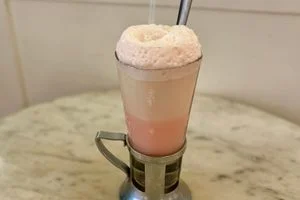
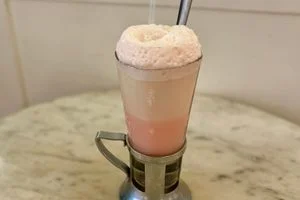
Nectar soda's signature pastel pink hue mirrors the blossoms of almond trees, grounding it in local significance. Local historian Dann Woellert refers to it affectionately as the “drink of the gods.” This title isn't just a whimsical moniker; it encapsulates the drink's unique taste. The juxtaposition of sweetness from the vanilla and the mild bitterness of almond creates a taste sensation that’s hard to resist. A sip of nectar soda is a mix of nostalgia and newness—something that draws both older generations and curious younger consumers to try it.
Cincinnati vs. New Orleans: A Tale of Two Cities
The origin of nectar soda in Cincinnati traces back to at least the late 1870s, establishing itself as a city staple. Unlike New Orleans—another city that briefly embraced nectar sodas—Cincinnati has maintained its connection to this unique drink. Woellert points out that the Queen City popularized the beverage nearly a decade before it reached the southern metropolis. In essence, while both cities experienced the allure of nectar soda, Cincinnati’s connection remains strong and deeply woven into its cultural fabric.
Several origin stories circulate about this intriguing tonic, each attributing its creation to different pharmacists or candy makers. Woellert's research suggests that John Mullane, after learning confectionery techniques in Quebec, debuted nectar soda in his downtown Cincinnati shop. His contribution significantly shaped the local lore, providing a tangible link between the city’s past and its present.
The journey of nectar soda to Cincinnati and New Orleans might very well stem from the French Acadian influence on both regions. Cultural exchanges influenced culinary practices, often resulting in the creation of new flavor profiles. Such cross-pollination adds another layer of complexity to the drink's rich history.
Modern-Day Availability
While nectar sodas aren't as widespread as they were during the early 1900s, when nearly every confectionery and soda fountain served it, you can still find it at select establishments throughout Cincinnati today. Aglamesis Brothers, established in 1908, has kept the tradition alive, with nectar sodas firmly planted on its menu thanks to insights from Randy Young, its president and CEO. This commitment to preserving local flavors signifies a broader trend of revitalizing traditional recipes in the face of modern competition.
Graeter’s, another iconic Cincinnati brand founded in 1870, also features nectar sodas on its menu. Technically, the exact introduction date remains uncertain, but it was evidently popular during the 1940s to 1960s. Today, Chip Graeter, a fourth-generation family member, confirms the drink’s place in their historical offerings. This illustrates not just a survival of a product but also a passing down of culinary legacies through generations.
Traditional Recipes vs. New Versions
An article from the Cincinnati Enquirer in January 1947 underscored the popularity of nectar soda, referencing Tom Moore from Dow Drug Store, who remarked on its longstanding presence across their soda fountains. The vintage flair is captured in an old Dow advertisement promoting the drink as one-of-a-kind in Cincinnati. The memories associated with these advertisements are powerful and evoke a sense of nostalgia, connecting generations over shared tastes.
Traditionally, nectar syrup was crafted by combining milk or half-and-half with bitter almond and vanilla extracts, along with red food coloring. Aglamesis Brothers has since shifted to a dairy-free, shelf-stable version to cater to evolving dietary preferences. In contrast, Graeter's maintains its original refrigerated recipe, still incorporating milk into their nectar syrup, which speaks volumes about their commitment to authentic flavors.
Both Aglamesis and Graeter’s prepare nectar sodas by blending syrup with a touch of whipped cream, scoops of vanilla ice cream, and sparkling soda water, finishing it off with additional whipped cream. The preparation process itself has a ritualistic quality that enhances the experience, connecting customers with both the drink and its storied past.
Generational Changes and Cultural Trends
Interestingly, while nectar sodas are mostly favored by older adults, younger generations continue to find delight in trying this local staple. Graeter observes, “People who grew up with them still love them today,” although he acknowledges that modern trends have shifted toward milkshakes and smoothies. This contributes to the declining popularity of nectar sodas, revealing a battle between cherished traditions and contemporary tastes. If you're working in this space, you can't ignore the cultural shift towards sweeter, creamier beverages that dominate the current scene.
Creative minds in the beverage industry have taken notice of nectar soda's enduring charm. Commercial brands like Barq’s have introduced bright pink cream sodas that draw inspiration from the original nectar soda. This illustrates how the legacy of classic recipes can linger in modern palates, influencing broader beverage trends while subtly revisiting roots.
Significance and Future Outlook
The ongoing presence of nectar soda in Cincinnati serves as a cultural artifact. It reflects not only the city’s unique historical narrative but also the nostalgic value of regional flavors. As younger generations grow more curious about local histories, there's potential for a revival. What this means for you is that the demand for authenticity in food and drink could lead to a resurgence of traditional beverages like nectar soda. If the market can leverage this interest, we might witness a renaissance akin to what craft breweries have achieved. Historic recipes are more than just drinks; they’re stories waiting to be shared and savored by new audiences. And yet, like any trend, it remains to be seen how successfully this local treasure can adapt to modern tastes. But the potential is tantalizing.


Discussion
Sign in to join the discussion.