A nearly intact tomb of over 38 individuals from the Chimú civilization has been discovered in Peru, offering unprecedented insights into their elite society.
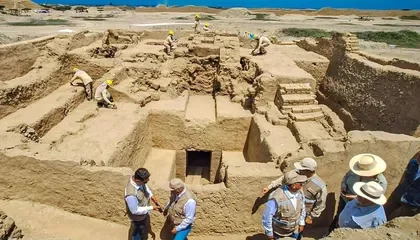
The recent discovery of a nearly intact tomb near Trujillo, Peru, sheds new light on the elite of the pre-Inca Chimú civilization. Dating back approximately 600 years, the mausoleum contains the remains of at least 38 individuals alongside significant grave goods, indicating their high status. Artifacts include metal weapons, gold and copper ornaments, and finely crafted textiles. This is more significant than it appears at first glance, revealing not just the wealth of individuals but potentially their roles in society.
The Discovery and Its Significance
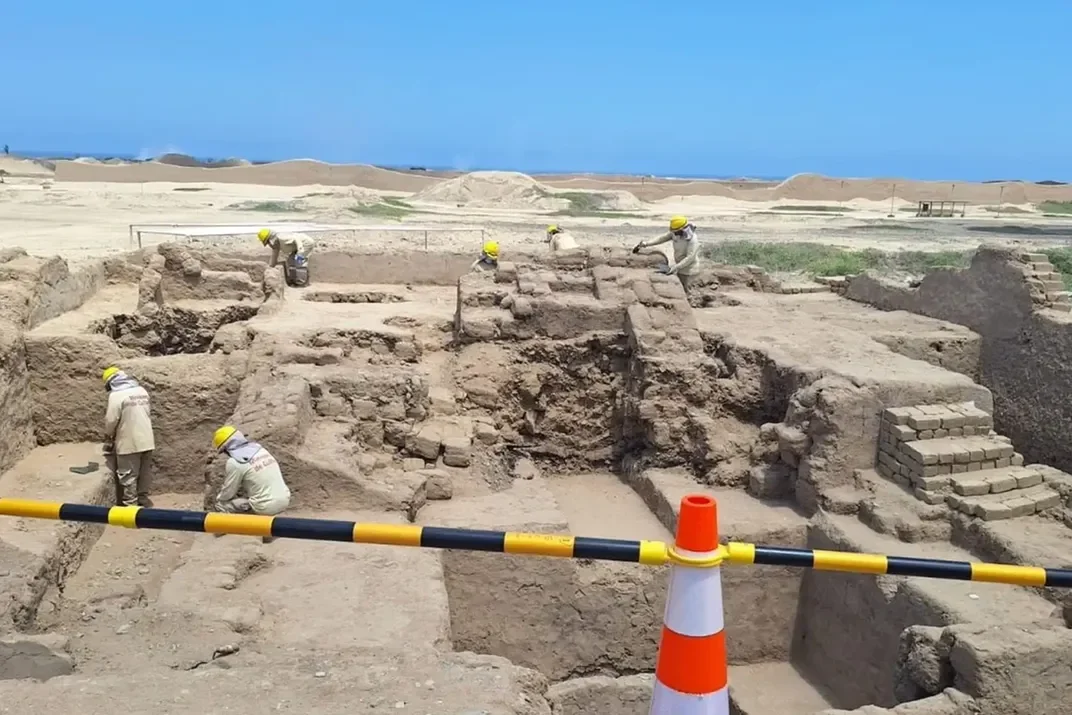
Excavated earlier this year at Chan Chan, a UNESCO World Heritage Site, the entrance to the tomb was found buried beneath layers of sand and stone. The area has been recognized for its historical importance, having once served as the heart of the Chimú empire, an advanced society that thrived between 900 and 1470 AD. Much of the site remained untouched by looters or colonial influences, which enhances the find's significance. The lead archaeologist Jorge Meneses remarked on the unprecedented nature of this discovery, emphasizing that it’s the first occasion that Peruvian archaeologists have uncovered an almost completely unaltered funerary platform. Such intact sites are remarkably rare, often disrupted by natural decay and human activity.
What Lies Within
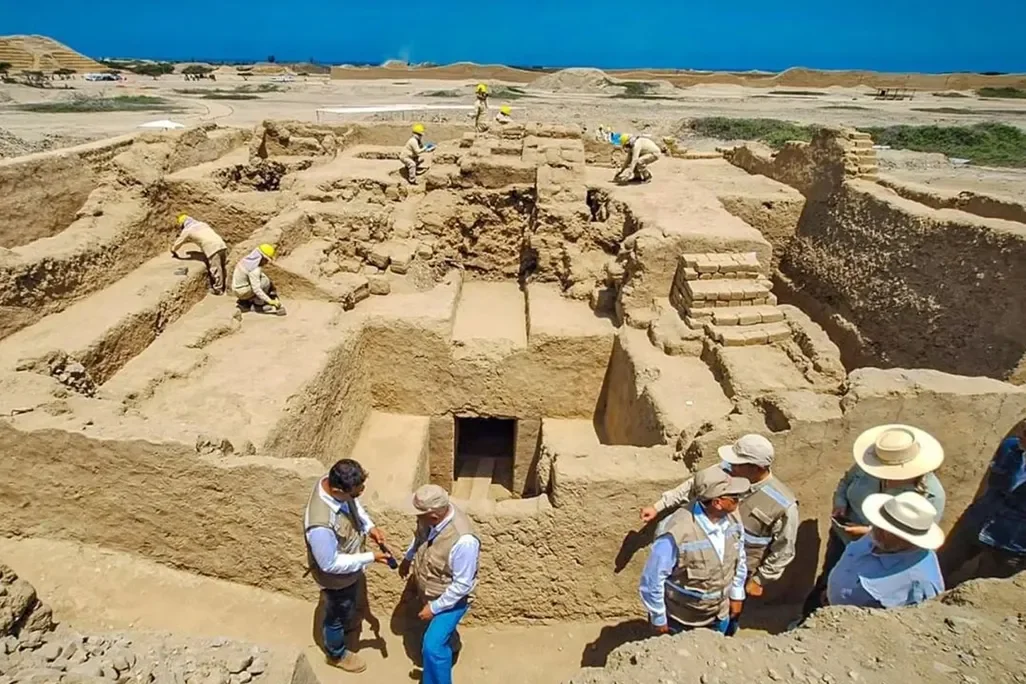
The tomb was structured around a central chamber with two side rooms. In the main area, archaeologists discovered the remains of one individual adorned with traces of red pigment, likely from cinnabar, which underscores the ceremonial significance of this burial. The presence of missing bones suggests that the remains may have been moved or reinterred, a common practice among Andean cultures, who often maintained connections with their deceased loved ones. This practice hints at a deeper, more complex social structure, indicating how intertwined life and death were in Chimú society.
In one side room, roughly 20 additional skeletons were found alongside various artifacts, while an empty adjacent room hints at more undiscovered items within the tomb. The sheer volume of remains challenges existing assumptions about Chimú burial practices and rituals. Previously, much of what was known had come from looted tombs and colonial accounts—hardly an ideal source for accurate cultural understanding.
Redefining Burial Customs
The findings mark a turning point in our understanding of Chimú burial customs, which have largely been inferred from looted tombs and historical accounts without substantial scientific data. Meneses acknowledges the potential of this discovery to open new avenues of inquiry into the social hierarchies and funerary practices of the Chimú elite. This could change not just what we know about the Chimú, but also how we interpret similar archaeological sites across South America.
The Chimú were known for their advanced engineering prowess, including the development of extensive irrigation systems that transformed their arid environment into a sustainable habitat. Their urban planning led to the establishment of Chan Chan, where elite rulers were buried in grand funerary platforms, often accompanied by members of their entourage. This hierarchical structure breeds questions: who were these individuals? What roles might they have played in maintaining the Chimú civilization?
Did You Know?
At its peak, Chan Chan was the largest urban settlement in the Americas, with a population estimated at 60,000.
Looking Ahead: Uncovering More Secrets
As researchers continue to investigate this remarkable site, they’ve only begun to scratch the surface. Currently, only about 7% of Chan Chan has been excavated, leaving plenty of room for future discoveries. The continuing explorations promise further revelations about this ancient civilization, potentially reshaping our understanding of their social dynamics.
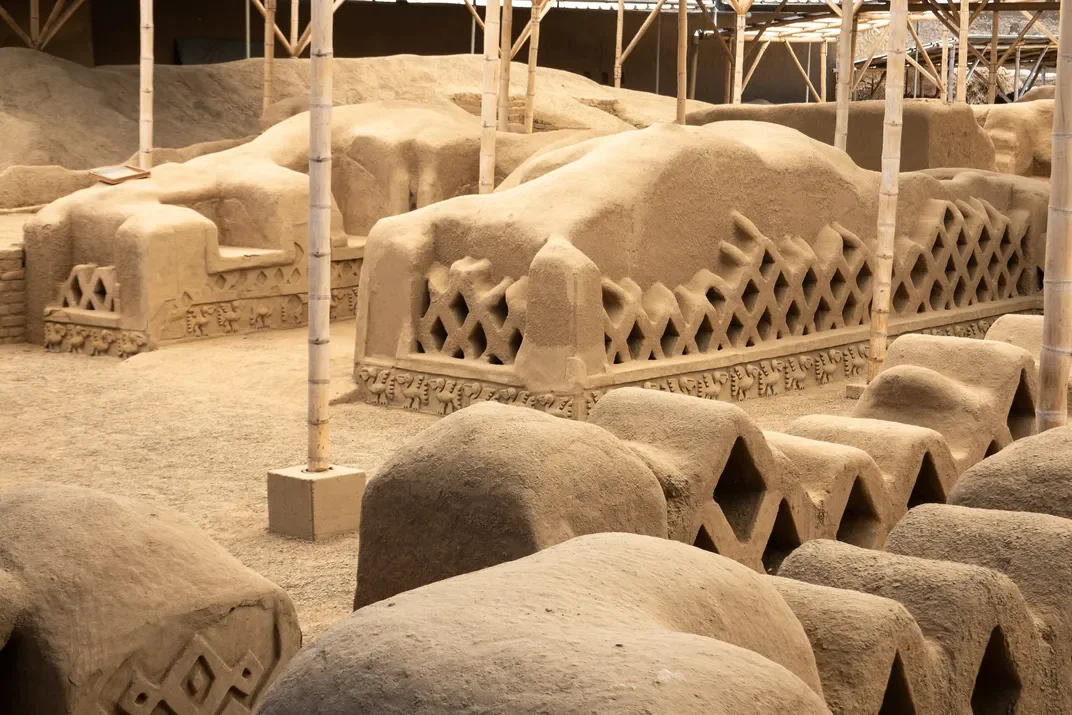
Implications for Understanding Chimú Society
The ongoing analysis of these findings, as highlighted by anthropologist Gabriel Prieto, can provide valuable insights into how Chimú society functioned, especially in a period marked by upheaval due to the impending Inca conquest. Researchers are eager to understand the interrelations among the elite and their followers. If you’re working in this space, consider that these insights might prompt a reevaluation of existing narratives concerning power dynamics and the interplay of loyalty within their society.
The implications of this discovery are profound. Not only does it redefine our understanding of Chimú burial practices, but it also raises questions about the dynamics of power and loyalty within their society. As excavation at Chan Chan continues, it becomes increasingly clear that this historic site has much more to reveal.

Discussion
Sign in to join the discussion.