At COP31 in Antalya, Erdogan condemned Gaza’s environmental devastation and urged climate action, while leaders pressed for finance and a shift from fossil fuels.
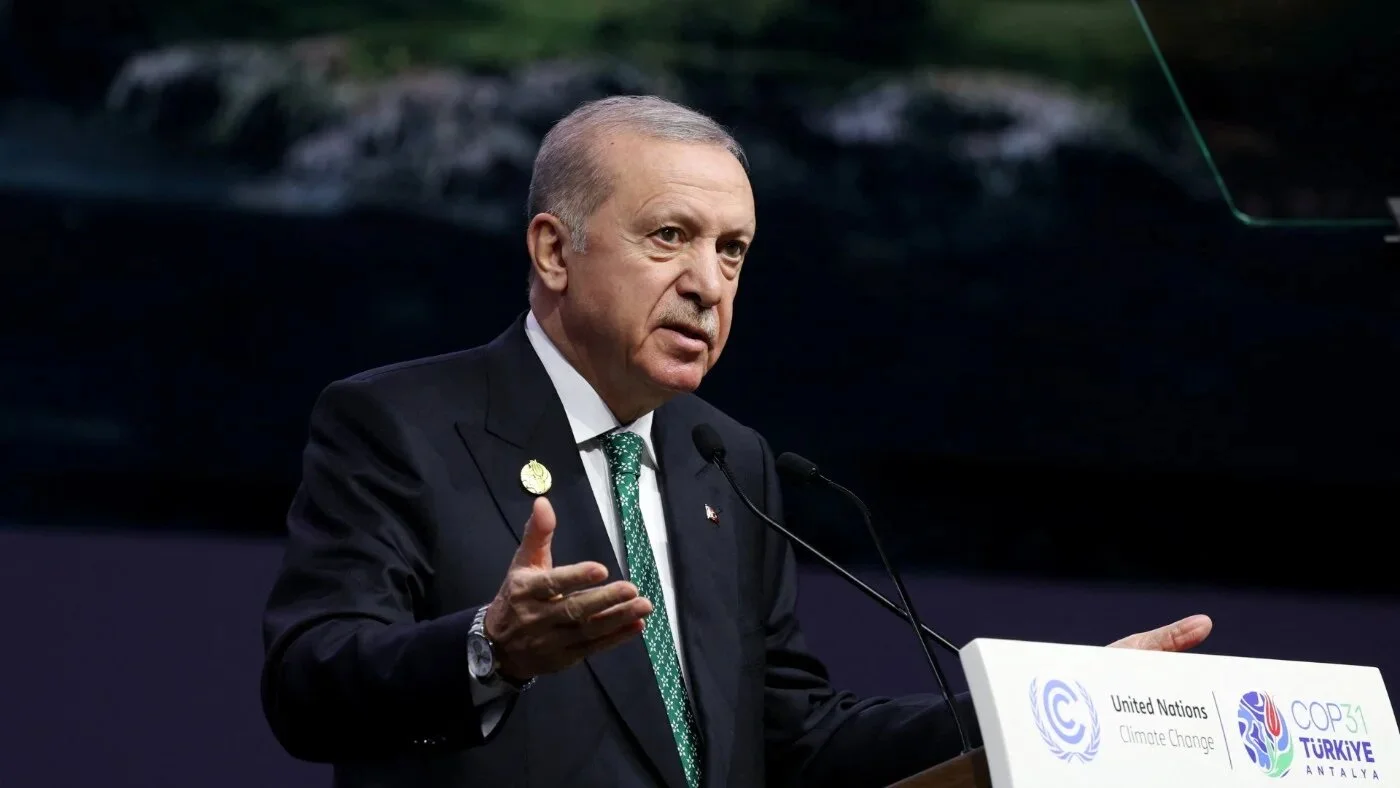
Gaza’s destruction and the global climate crisis became linked themes at COP31 on Wednesday, as Turkish President Recep Tayyip Erdogan called the damage to the Palestinian enclave “ecocide” and urged faster climate action. His remarks placed humanitarian suffering alongside the summit’s debate over emissions, energy and who should pay for the transition. The connection is politically charged: climate talks often focus on long-term risks and shared targets, while Gaza’s immediate devastation puts the human consequences of environmental damage in the foreground.
Gaza’s damage enters the climate debate
Speaking at the opening session in Antalya, Erdogan said Gaza had suffered “not only genocide but also ecocide.” He pointed to centuries-old olive trees being cut down, contaminated soil and water, and cities reduced to rubble. Those examples describe damage to the conditions that sustain daily life, from agriculture and clean water to housing and local infrastructure. Calling that damage ecocide gives it a place in a climate summit’s discussion, though the speech did not set out a formal definition or a method for measuring it.
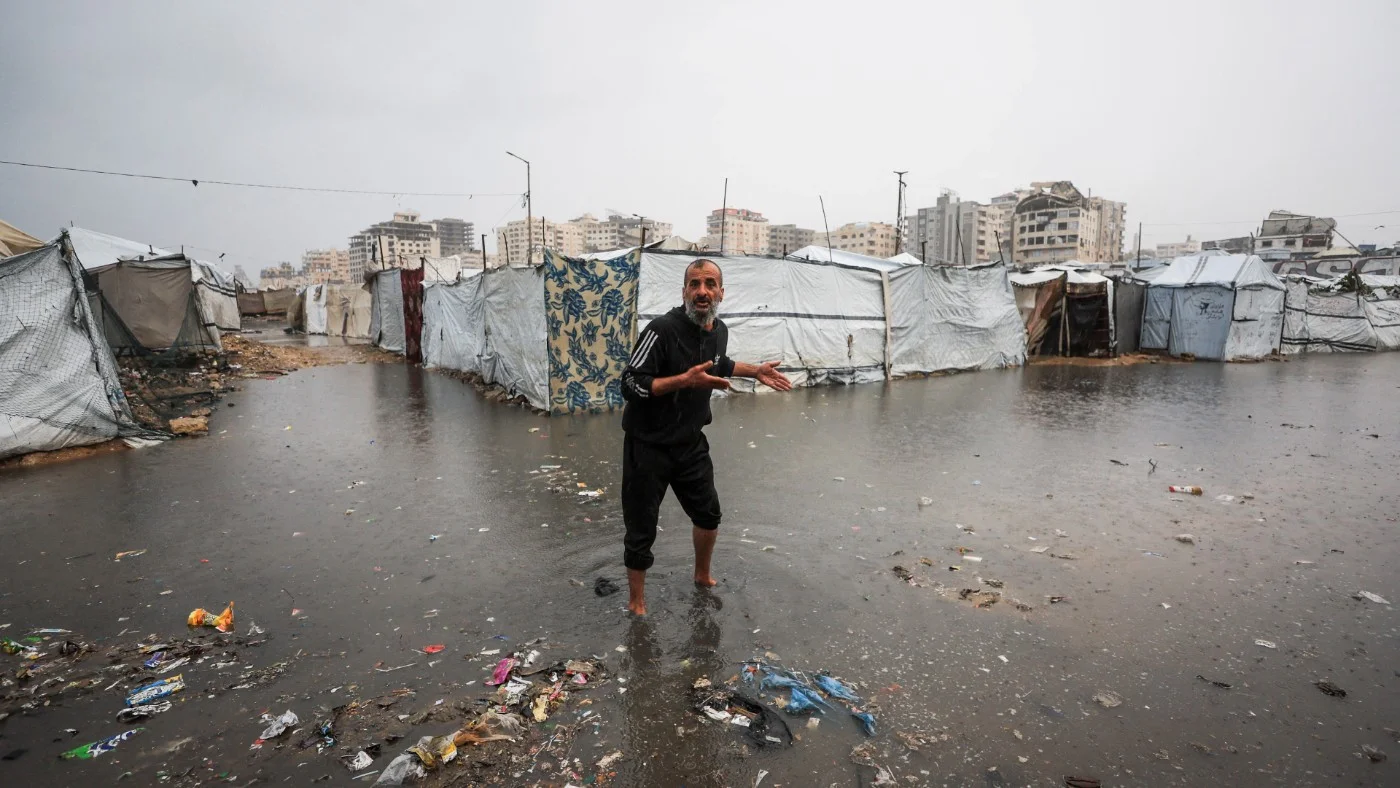
Heavy rain and flooding have added to the hardship, he said, submerging tens of thousands of tents and shelters. Erdogan described children and other displaced people enduring winter conditions in floodwaters, often without parents or adequate shelter. He called for aid to enter Gaza immediately and for an end to its isolation. The point is stark: people living in temporary shelters have little protection from severe weather, and environmental damage can compound an already acute humanitarian crisis.
Climate finance and fossil fuels in focus
Erdogan framed climate change as “one of the deepest existential crises” in human history, arguing that excessive consumption was worsening the threat. “We have no other sky, no other Earth, no other seas, oceans or forests,” he told delegates. He said a cleaner, greener and fairer world would be the most valuable legacy for future generations. The language sets out an ethical case for action, but the summit’s harder question is how that ambition becomes specific commitments, with costs and responsibilities attached.
He also argued that developed countries must shoulder more of the cost of climate measures. Agreements on climate goals, he said, have not been matched by sufficient action or financing. That gap matters because countries can endorse shared targets while disagreeing over who pays for cleaner energy, adaptation and recovery from climate damage. Without credible funding, targets risk becoming statements of intent rather than plans that governments can carry out.
UN Secretary-General Antonio Guterres delivered a similarly urgent message, warning that emissions, rising temperatures and climate-driven disasters were pushing the world toward “mutually assured destruction.” But, he said, scientific evidence calls for stronger action, including an end to fossil fuels. That demand goes to the heart of the talks: reducing emissions requires changes to energy systems, and those changes involve competing interests as well as technical choices.
Negotiators from nearly 200 countries are seeking agreement on a plan to raise electricity’s share of global energy use and revive stalled efforts to move away from fossil fuels. The talks run from 9 to 20 November in Antalya, bringing together 196 countries and the European Union. Raising electricity’s share can support a shift away from fuels used directly in transport, heating and industry, but its climate value depends on how that electricity is produced. The stated aim, then, leaves delegates with a linked set of questions about supply, investment and the pace of change.
Leaders warn against losing focus
Brazilian President Lula da Silva said climate action had lost momentum as global leaders focused more on weapons and tariffs than on future generations. The planet, he argued, should not be left at the mercy of struggles for power. His criticism points to a practical obstacle: climate policy depends on cooperation among governments whose attention is also pulled toward immediate security and economic disputes.
Erdogan likewise said wars, migration, famine and poverty were increasing the need for international solidarity. His comments came as a UN report warned last month that the world was on track to exceed the 1.5°C warming limit countries agreed to pursue under the Paris Agreement. That warning raises the stakes for negotiations, but it does not settle how countries should divide responsibility or what actions they can deliver. The numbers here are underwhelming; urgency alone has not closed that gap.
The summit is taking place amid a year marked by severe heatwaves in Western Europe and a glacier collapse in Nepal that triggered a catastrophic flood. The United States, the largest historical emitter of greenhouse gases, is absent for a second consecutive year after President Donald Trump withdrew the country from climate cooperation in 2025. Its absence puts additional pressure on other participants to sustain momentum, while also underscoring how political choices can shape the reach of international efforts.
What the summit’s urgency has to deliver
The challenge facing delegates is to turn urgency into funded commitments and a credible path away from fossil fuels, even as conflict and political disputes compete for attention. This is more significant than it looks: the speeches connect climate goals to the lives of people facing damaged homes, flooded shelters and disrupted access to basic resources. Yet the connection will carry weight only if governments can agree on steps that match the scale of the claims.
If you're working in this space, the test is whether leaders can translate broad calls for solidarity into financing and energy plans that countries will actually implement. Here's the thing: a summit can make visible the links between climate stress, conflict and human need, but visibility doesn't guarantee follow-through. And this is the part most people overlook. The priorities compete, the costs remain contested, and the work of reaching agreement continues.
Promises on paper. That said, delegates still have room to make the talks matter by resolving how to raise electricity’s role, restart the shift away from fossil fuels and fund climate measures. The summit’s outcome will show whether leaders can keep those questions in view while other crises demand their attention.



Discussion
Sign in to join the discussion.