Discover the resilience of ancient organisms, revealing their remarkable adaptations and the profound lessons they offer about life and longevity.
**Ancient Organisms: A Testament to Time**
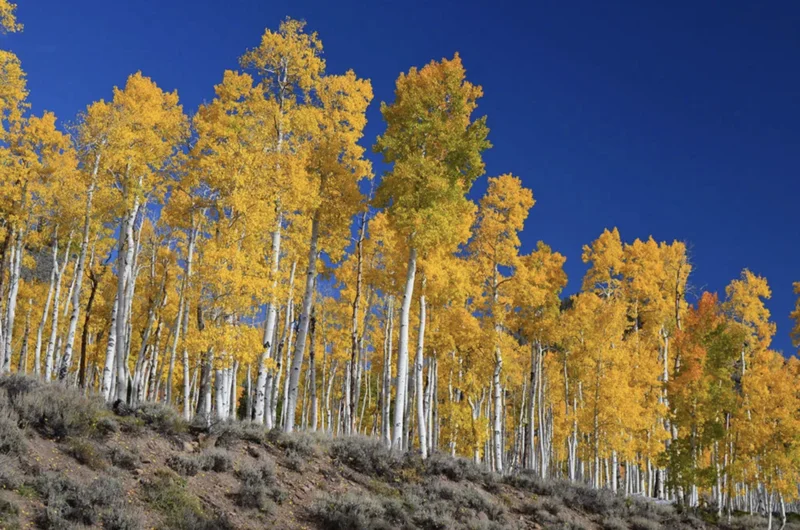
Throughout the globe, resilient organisms have thrived for millennia, showcasing the remarkable power of adaptation in shifting climates and through environmental changes. These life forms, many of which are trees, stand as monumental figures that stretch their roots deep into the Earth. Others, like clonal colonies, have mastered the art of self-replication, creating extensive networks of identical organisms all connected by their roots. Underneath the soil, fungi weave expansive, decentralized networks, while deep-sea dwellers evade decay in their shadowy abodes.
These ancient entities offer profound insights into life itself, serving as a reminder of humanity's fleeting presence on this grand planet. Whether it’s a gnarled tree atop a mountain or a revered yew tree that has withstood the test of time through ages of worship, these ancient beings are both beautiful and enigmatic time capsules.
Through these specimens, we see more than just age. We witness endurance—a narrative of survival and persistence witnessed in every growth ring, every root connection, and every layer of development. If you’re captivated by the intertwining stories of life and time, keep reading as we explore these aging wonders in more depth.
Understanding Ancient Living Beings
When we talk about the "oldest" living things, we must recognize that age can be measured in several ways. For instance, record-holders like the Pando aspen colony in Utah are clonal organisms, while a single spruce tree’s age can be gauged directly by counting its growth rings. Meanwhile, some deep-sea sponges grow so slowly that their ages remain estimates rather than precise calculations. This diversity in organisms leads to variations in their reported ages, which is crucial to appreciate if you're exploring the depths of longevity in the natural world.A Snapshot of the Earth's Oldest Living Things
The following table presents a glimpse at some of the planet's most ancient life forms—an array that highlights the wonders of evolution and the staggering timelines these entities represent.| Living Thing | Type | Estimated Age | Location |
|---|---|---|---|
| Pando | Clonal quaking aspen colony | 1+ million years | Utah, USA |
| Honey Mushrooms | Fungal network | 2,400 years | Oregon, USA |
| Old Tjikko | Norway spruce | 9,550 years | Sweden |
| King Clone | Creosote colony | 11,700 years | California, USA |
| Methuselah Tree | Bristlecone pine | ~4,800 years | California, USA |
| Prometheus | Bristlecone pine | ~5,000 years | Nevada, USA |
| Li Jiawan Grand Ginkgo King | Ginkgo | ~4,000 years | China |
| Fortingall Yew | Yew | 2,000–5,000 years | Scotland |
| Llangernyw Yew | Yew | 4,000–5,000 years | Wales |
| Volcano Sponge | Sponge | ~15,000 years | Antarctica |
| Black Coral | Coral colony | 4,000+ years | New Zealand |

Discussion
Sign in to join the discussion.