Explore extraordinary locations where bioluminescence dazzles, from glowworm caves in New Zealand to sparkling phytoplankton in the Maldives.
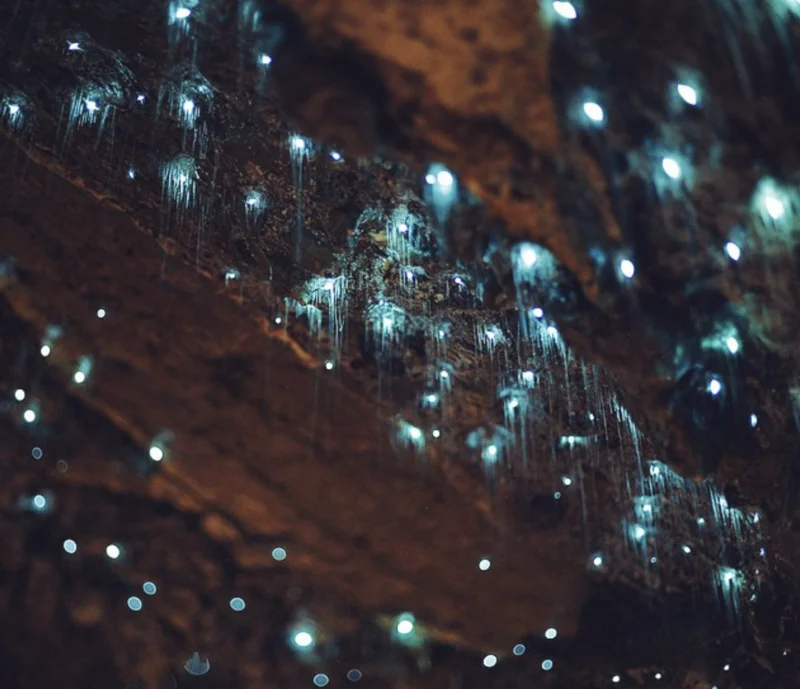
The phenomenon of bioluminescence, where living organisms emit light through chemical reactions, captivates in various unique locales globally. This natural wonder has garnered interest for centuries and can be experienced in some remarkable destinations that showcase nature's luminescent art. From hidden caves to shimmering shorelines, these sites demonstrate the enchanting beauty of bioluminescent life.
1. Waipu Caves - Waipu, New Zealand
Optimal Visiting: October to April
Located on New Zealand's North Island, the Waipu Caves present an alternative to the popular Waitomo Glowworm Caves. To witness bioluminescence here, adventurers must navigate through impressive stalactite formations, traverse a stream, and slide down mud banks into a chamber teeming with glowworms that illuminate the cavern's dark walls.
2. Glowworm Tunnel - Helensburgh, Australia
Best Time: Year-round, except after heavy rain
Originally carved for trains in the late 19th century, the Glowworm Tunnel has since become home to countless glowworms, creating a celestial display on the ceiling. Visitors can often navigate through the shallow waters in inflatable devices, experiencing the surreal glow of bioluminescence above them.
3. Sea of Stars - Vaadhoo, Maldives
Ideal Viewing: June to August
This marine spectacle features bioluminescent phytoplankton, which react to the waves, producing a captivating shimmer along the shore. Visitors can walk along the beach as the water sparkles with each step, creating a magical evening atmosphere.
4. Synchronous Fireflies - Great Smoky Mountains, Tennessee
Best Time: Late May to June
The rare P. carolinus firefly in this region is known for its unique synchronized flashing pattern. The insect swarms light up the forest in sequences, providing an unforgettable sight, especially as these lighting patterns occur during the late spring evenings.
5. Newnes Glow Worm Tunnel - Putty, Australia
Optimal Season: Spring and Autumn
This former railway tunnel has become a hotspot for Arachnocampa richardsae, a type of fungus gnat. Inside, visitors can experience the charm of a glowing ecosystem—by simply allowing a few moments for their eyes to adjust to the dark.
6. Bloody Bay Coral Wall - Little Cayman, Cayman Islands
Best Time: April to June, September to November
Known for its stunning coral formations and night diving opportunities, Bloody Bay also features bioluminescent microorganisms that enhance nocturnal underwater experiences. Divers can capture the vibrant colors of the coral and the glow of bioluminescent life.
7. Blue Ghost Fireflies - Hendersonville, North Carolina
Peak Period: May to June
The blue ghost firefly, found in the southeastern U.S., presents a mesmerizing bluish-green glow that deviates from the typical firefly display. Its unique appearance offers a distinctive spectacle for nature enthusiasts in the summer months.
8. Glistening Waters - Falmouth, Jamaica
When to Visit: November to April
This is one of the few places globally where visitors can witness the glowing effect produced by dinoflagellates. The lagoon glimmers when disturbed at night, drawing visitors who may also enjoy the local lore surrounding its supposed health benefits.
9. Kampung Kuantan Fireflies Park - Bestari Jaya, Malaysia
Ideal Season: March to October
Home to synchronized firefly displays, this park is a renowned destination for experiencing bioluminescent phenomena. Unfortunately, environmental impacts have affected firefly populations here, yet they can still be observed in certain areas of the surrounding mangroves.
10. Glowing Millipedes - Sequoia National Park, California
Best Time: May to July
The Motyxia millipedes in this national park use their bioluminescence as a warning to predators. Although their glow is stunning, visitors should maintain a distance due to the cyanide they secrete.
11. Gippsland Lakes - Raymond Island, Australia
Best Time: December to March
Previously affected by environmental changes, the lakes now feature a diminished yet still captivating glow, primarily visible during night swims as bioluminescent algae bloom—creating a unique swimming experience.
12. Firefly Squid - Toyama Bay, Japan
Best Viewing: March to June
These tiny squids produce a dazzling display of color in Toyama Bay, brightening the waters when currents bring them to the surface. Fishing boats can become a part of this show, turning into glowing vessels as they haul in the squids.
13. Waitomo Glowworm Caves - Waitomo, New Zealand
Optimal Time: December to March
Discovered in the late 19th century, these caves feature thousands of glowworm larvae suspended from the ceiling, emitting a stunning starlight effect. Guided tours offer insights into the area’s history while immersing visitors in its enchanting glow.
14. The Milky Seas - Somalia
Best Observed: January to February
This astonishing bioluminescent region, measuring over 15,000 square kilometers, was documented in 2005. The glowing waters, formed by bioluminescent bacteria, have long fascinated sailors and have been woven into maritime folklore.
15. Dismals Canyon - Phil Campbell, Alabama
Best Time: Spring and Autumn
In this canyon, known for its unique ecosystem, the diminutive “Dismalites” illuminate the night, creating a stunning display rivaled only by the stars above. Night tours allow visitors to safely navigate through the canyon to witness the glow.
Exploring these destinations not only offers breathtaking sights of bioluminescence but also the opportunity to appreciate the ecological significance of these environments. Each location reveals a distinct interaction between nature and light, inviting exploration into the wonders of our world.


Discussion
Sign in to join the discussion.