Human Rights Watch says Hassan al-Faraj was executed over alleged childhood offences; another man convicted for acts as a teenager faces execution.
Execution renews scrutiny of juvenile cases
The execution of Hassan Zaki al-Faraj has renewed scrutiny of Saudi Arabia’s use of the death penalty in cases involving alleged offences committed by minors. Human Rights Watch says al-Faraj was 14 when the offences in his case took place, and that claims of torture and an unfair trial cast further doubt on the proceedings. The central question for rights groups is whether protections for children can be relied on when authorities prosecute cases under laws that may carry a death sentence.
Saudi Arabia executed al-Faraj on Saturday, according to HRW. He had been arrested in 2017 and sentenced to death by the kingdom’s Specialised Criminal Court in 2022. Among the allegations against him was “meeting and developing friendships with other detained and wanted individuals”. The wording points to the kind of conduct that rights groups say needs close examination when a defendant was a child at the time: the allegations, the evidence supporting them, and the process used to reach a death sentence.

Al-Faraj’s lawyers said he was tortured and forced to sign a confession used in court. HRW also reported that he spent time in solitary confinement. Those allegations matter because a confession can carry substantial weight in a criminal case, while claims that it was obtained through coercion raise questions about both the evidence and the conditions in which it was gathered. The public information cited here doesn’t establish how the court addressed those claims.
“The execution of Hassan al-Faraj is unconscionable compounded by alleged torture-tainted evidence and a well-documented record of unfair trials,” said Joey Shea, the group’s senior Saudi Arabia researcher. The statement captures HRW’s wider concern: the case is not being assessed only on the sentence, but also on the reliability of the process that led to it. This is more significant than it looks. A death sentence makes disputes over a defendant’s age, treatment in custody and access to a fair hearing especially consequential.
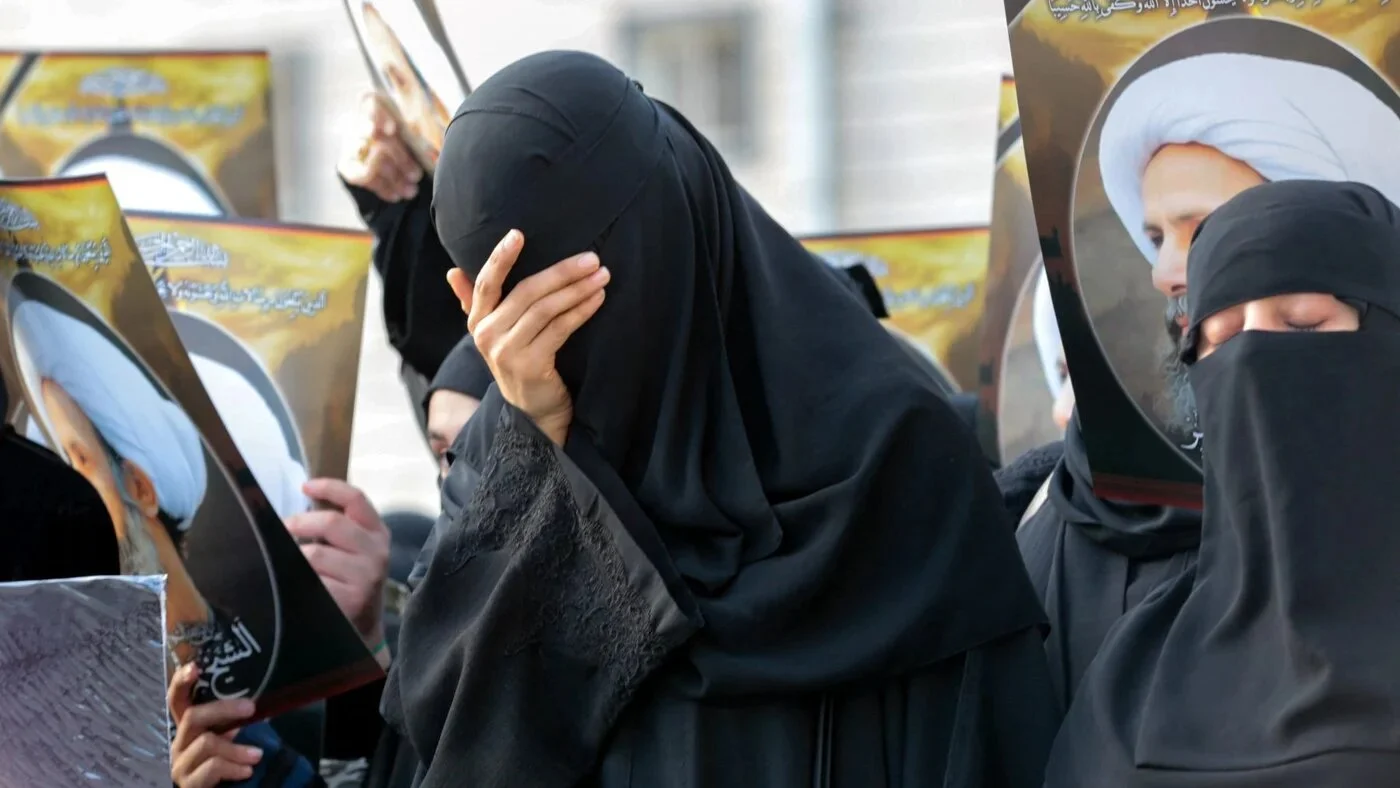
Shea warned that Yousef al-Manasif could be next. The European Saudi Organisation for Human Rights (ESOHR) says the Supreme Court upheld his death sentence. Al-Manasif was arrested in April 2017 and convicted over alleged offences committed when he was 15 and 16, including attending funeral processions and participating in protests against the treatment of Saudi Arabia’s Shia minority. The reported ruling raises the prospect that the concerns surrounding al-Faraj’s case could soon apply to another defendant whose alleged conduct took place while he was under 18.
UN findings and disputed confessions
A 2024 opinion by the UN Working Group on Arbitrary Detention found that the detention of al-Faraj, al-Manasif and three other men—Jawad Qureiris, Abdullah al-Derazi and Jalal al-Labbad—was arbitrary. The group also cited serious fair-trial violations, said the men’s rights under the Universal Declaration of Human Rights had been breached, and called for their release and compensation. Saudi Arabia rejected the allegations, saying its laws and procedures met international human rights standards.
The opposing positions leave a basic disagreement about how these cases were handled. The UN group’s assessment is a stated finding by an international body; the Saudi government’s response rejects its allegations and defends the country’s legal process. Neither position, on its own, supplies a full account of the evidence or the hearings. For readers, the distinction matters: the concerns are serious, but the article’s available information attributes them to the bodies and people making them.
The UN group’s opinion said al-Manasif alleged that he was physically and psychologically tortured and forced to sign confessions that were later used against him. Qureiris, who was sentenced to death in 2022, also faced allegations that included acts committed while he was a minor. The group said he alleged that he was tortured and held in solitary confinement for 270 days to force a confession. Here’s the thing: when several cases raise claims about coercion and childhood conduct, the question extends beyond any one defendant to the safeguards applied across the system.
Protections and their limits
Another defendant, Ali al-Mabyook, was sentenced to death over alleged offences that included attending funeral processions before he turned 18, according to HRW and court documents. His case has drawn concern from rights groups over the use of counterterrorism legislation and claims that confessions were coerced. The overlap between alleged childhood conduct, security-related charges and disputed statements is central to the criticism: each element can affect how a case is prosecuted and what punishment is available.

Saudi authorities executed Ali al-Subaiti on 9 April 2026, according to the Saudi Press Agency. HRW said his death sentence involved alleged offences including participation in a demonstration when he was 12. His case adds another example to the concerns raised by the rights group about capital punishment for conduct said to have occurred during childhood. That said, the available account doesn’t detail the full proceedings or the authorities’ reasoning in his case.
The 2018 Juvenile Law and a 2020 executive order introduced protections against capital punishment for certain offences committed by people under 18. HRW has argued that those safeguards don’t adequately cover defendants prosecuted under counterterrorism legislation, leaving some people convicted over alleged childhood conduct exposed to execution. The gap described by HRW is about scope: a protection may exist in law while its effect depends on which charges authorities bring and how a case is treated.
If you're working in this space, the distinction between a safeguard’s existence and its reach is the point to watch. Similar systems typically depend on how rules interact across different categories of offences; the source here doesn’t establish how Saudi courts interpret every relevant provision. The uncertainty itself. It makes the treatment of each case, including the allegations and the court’s response to them, central to understanding what protection a minor defendant can actually expect.
What the cases signal
“Saudi Arabia’s execution spree, particularly for offences by children, shows no signs of slowing down in 2026,” Shea said. Al-Faraj’s execution and the reported ruling in al-Manasif’s case show how the reach of those protections remains a central concern for rights groups. What this means for you as a reader is that the legal framework can’t be judged from its stated protections alone; the cases described here also raise questions about charges, evidence and the handling of defendants in custody.
And yet, the claims and findings should be kept distinct. HRW and ESOHR have reported concerns, the UN working group issued an opinion, and Saudi Arabia rejected the allegations about its laws and procedures. The information presented does not resolve those disputes. It does show why the issue remains pressing: al-Faraj has been executed, al-Manasif’s sentence was reportedly upheld, and rights groups say other cases involve alleged offences committed by minors.


Discussion
Sign in to join the discussion.