Andy Burnham’s government says existing parliamentary oversight is sufficient. Jeremy Corbyn argues the public still needs a full account of UK cooperation with Israel.
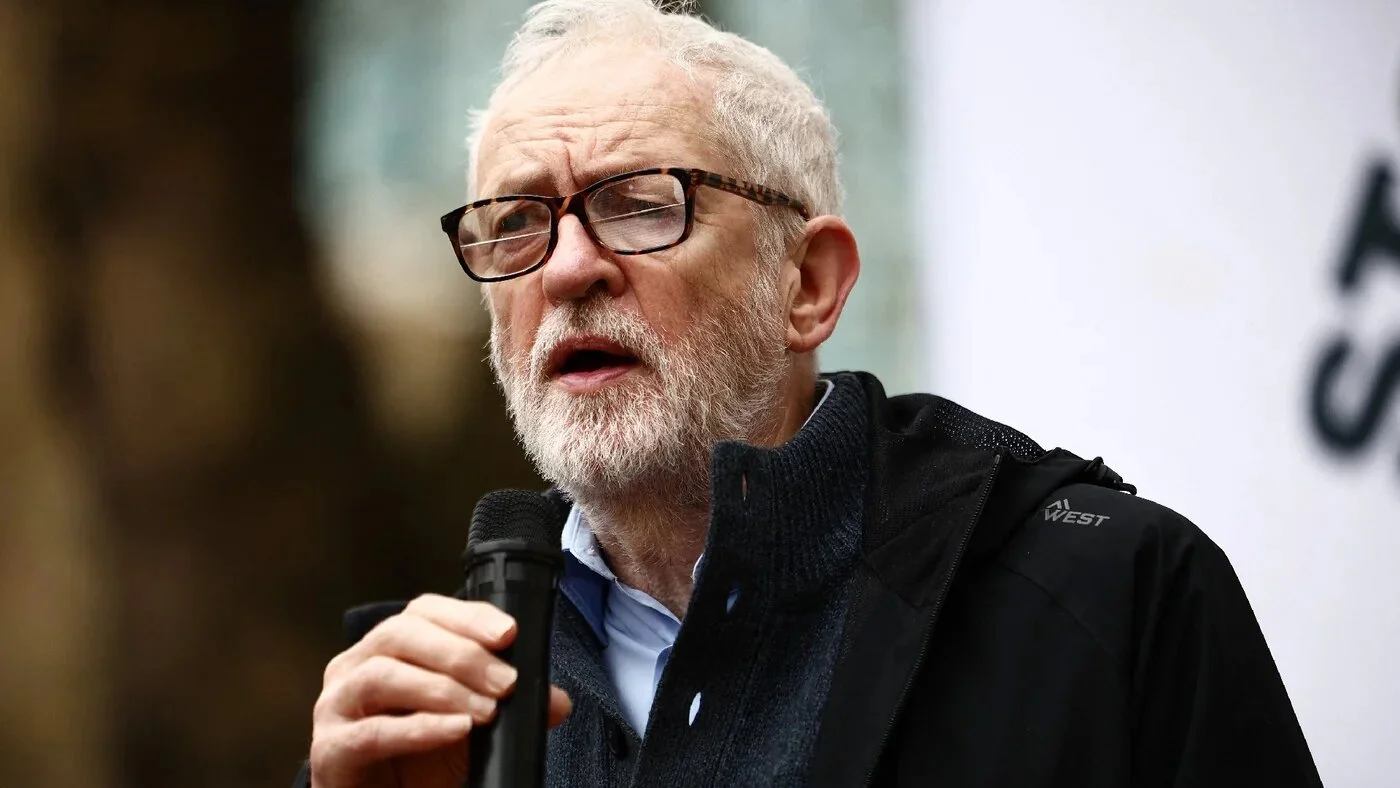
The UK government has rejected Jeremy Corbyn’s call for an independent public inquiry into Britain’s military, economic and political cooperation with Israel during the war in Gaza. Questions about arms supplies, surveillance flights and the use of Royal Air Force bases will instead be handled through existing parliamentary oversight mechanisms. That choice goes to the heart of the dispute: whether routine scrutiny can provide the public account Corbyn is demanding, or whether a dedicated inquiry is needed to assemble the record.
The UK government said in response to a written question on Monday that a tribunal was unnecessary because “extensive mechanisms already available for parliamentary accountability and oversight” could address scrutiny. The reply states the government’s position, but it doesn’t explain in the material available here how those mechanisms would examine the separate strands of cooperation or bring them together. That gap is likely to keep the argument alive.
A rejected call for an inquiry
Corbyn, now an independent MP, had urged Prime Minister Andy Burnham to support a Chilcot-style inquiry. He wrote to Burnham in July, after Keir Starmer resigned, and revived a bill that Starmer’s government had rejected at its second reading the previous year. The proposal therefore returns to a question Parliament has already declined to pursue, though the government’s latest response frames the issue as one of existing oversight rather than a need for a new inquiry.
The bill sought an inquiry into British government support for Israel during the military campaign in Gaza, which began in October 2023. It specifically named weapons supplies, surveillance aircraft and the use of Royal Air Force bases. Those subjects involve different forms of state activity, and a single inquiry could, in principle, examine how they relate; the government’s answer is that parliamentary mechanisms can provide accountability without creating a new body.
Corbyn says scrutiny remains necessary
Burnham has said the last Labour government “got it wrong” over Gaza, Corbyn said in a statement on Tuesday. Corbyn argued that this admission would mean little without a break from what he called the previous government’s “shameful record of complicity, secrecy and evasion”. His criticism turns on the difference between acknowledging a past error and establishing what decisions were made, what cooperation took place and who can account for it.
Britain has supplied arms to Israel during the campaign. The source reports that more than 74,480 people have been killed in Gaza and describes Palestinians being forced from their homes in parts of the territory. Those details give the dispute its human stakes, while the proposed inquiry concerns the UK’s role and the evidence available to assess it.
The Royal Air Force has also carried out hundreds of surveillance flights over Gaza and provided intelligence for Israeli operations, according to the article. The account doesn’t specify what information was gathered or how it was used. That limitation makes the demand for disclosure more pointed: the public can’t judge the significance of the flights from their existence alone.
“Delaying scrutiny will not make questions about British complicity in genocide disappear,” Corbyn wrote. He said the public should know the full scope of Britain’s cooperation with Israel, including arms transfers, surveillance and RAF base use, and questioned why the government would oppose an inquiry if it had nothing to hide. The government’s response, by contrast, rests on confidence in existing oversight. That’s a disagreement about the adequacy of the process as much as its findings.
What parliamentary oversight can establish
For Corbyn, the dispute turns on whether existing parliamentary processes can provide the public account he is seeking. Burnham’s government has pointed to those mechanisms; Corbyn says a dedicated inquiry is still needed to establish the full extent of UK involvement. The distinction matters because an inquiry can be designed to consider a defined set of questions together, while parliamentary scrutiny depends on the tools, records and scope available through existing channels.
Here's the thing: naming oversight mechanisms doesn’t, by itself, show what information they can make public or how they’ll address the questions raised by this bill. The government’s statement offers no further detail in the source about a timetable, a specific review or the records that might be examined. This is more significant than it looks. If you're working in this space, the central issue is whether scrutiny can trace decisions across arms, intelligence and facilities, then explain those links in terms the public can evaluate.
The implications of leaving the question open
The immediate effect of the decision is procedural: the government has declined a new inquiry and referred scrutiny to existing parliamentary channels. The broader question remains unresolved. If those channels produce clear answers, the case for a separate investigation may weaken; if they don’t, calls for a fuller examination are likely to persist. That’s an implication, not a prediction about what Parliament will do.
For readers, the distinction between an admission that policy was wrong and a public accounting of how it was carried out is central. The source records Corbyn’s demand and the government’s stated reason for rejecting it, but it doesn’t provide the government’s detailed account of the activities under scrutiny. A dedicated inquiry is one proposed way to close that gap. Whether current oversight can do the same remains the test.
And the evidence itself is the point (and this is the part most people overlook). Who knew what, and when?

Former Labour Party leader Jeremy Corbyn speaks at a pro-Palestine march on 1 April 2026 (AFP).

Discussion
Sign in to join the discussion.