An Israeli Medical Association survey found departures and delayed returns among physicians, as officials warn of pressure on the public health system.
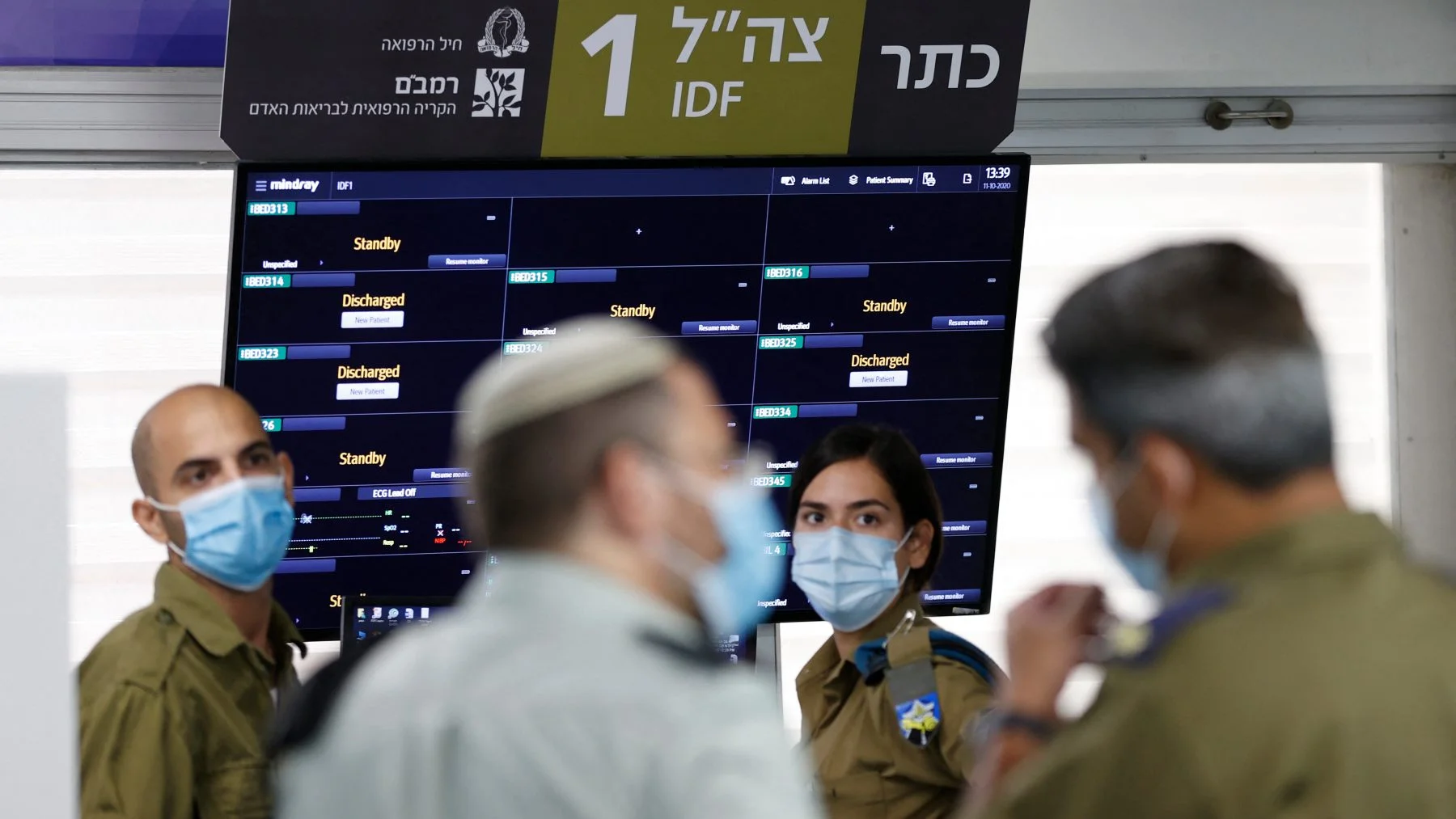
Physician departures are raising concern about staffing in Israel’s public health system, with two sets of figures pointing to different parts of the problem. A Tel Aviv University report found that 1,369 doctors left Israel for more than a year between 2023 and 2025. Separately, a survey by the Israeli Medical Association (IMA) recorded at least 50 physicians leaving in the 15 months after the Hamas-led attacks of 7 October 2023 and Israel’s subsequent genocide in Gaza. The counts shouldn’t be added together: they cover different periods and use different measures.
That distinction matters. The university report offers a broader count of doctors absent for more than a year, while the IMA survey focuses on departures recorded by hospitals and medical centres during a defined period. Neither figure, on its own, says how many doctors have permanently left, how many may return, or where the greatest staffing gaps are. Still, the scale of the university tally makes this more significant than it looks: a prolonged absence can affect services even when it isn’t formally a permanent departure.
Two routes out of the workforce
The IMA gathered responses across 32 hospitals and medical centres. It also found that 53 doctors who went abroad for specialist training had not returned within the timeframe they’d agreed to. That group raises a related but distinct concern: physicians can be away for training with an expectation of return, yet the public system can’t count on their expertise while they’re abroad.
Departures and delayed returns put pressure on staffing in different ways. A doctor who leaves for more than a year creates an immediate gap in the workplace they’ve left. A specialist who stays abroad beyond an agreed training period may extend that gap, even if the original plan was to bring new skills back. The survey doesn’t explain why individual physicians left or failed to return, so it can’t establish whether the reasons are temporary, personal, professional or connected to wider conditions.
The IMA represents most physicians in Israel, giving its survey a substantial reach across the institutions that responded. But the reported results still describe the responses it gathered, not a complete accounting of every doctor in the country. That’s a useful warning against treating a survey figure as a precise census. It’s also no reason to dismiss the signal: the figures identify a staffing issue that health officials say could have serious consequences for public services.
What the figures can and can’t show
The two sources reinforce concern about physician availability, but they don’t provide a single, clean measure of how much capacity the system has lost. The university report counts doctors away for more than a year across 2023 to 2025; the IMA survey records at least 50 departures in its 15-month period and separately identifies 53 doctors whose overseas specialist training ran past the agreed timeframe. Some categories may describe different people, and the source doesn’t establish how much they overlap.
Nor do the numbers reveal whether departures are concentrated in particular specialties, facilities or regions. That information would matter for understanding where patients and colleagues are most exposed to a shortage. A system can have a large overall workforce and still face serious pressure in particular services if experienced doctors are hard to replace. Here’s the thing: headcounts alone can mark the scale of an issue without showing how unevenly its effects are distributed.
For health officials, the practical questions follow from those limits. How many doctors are expected to return, and on what timetable? Are those who leave replaced, and can services maintain their staffing while replacements are trained? The reports don’t answer those questions, but they make clear why officials are asking them. The longer an absence continues, the less useful an informal expectation of return becomes for planning day-to-day care.
Retention is the harder test
For health services, the question isn’t only how many physicians leave, but how many return and when. The reports give officials a measure of strain; the next concern is whether the system can retain and bring back enough trained staff. Retention isn’t just a matter of counting people who remain on a roster. It depends on whether trained physicians are present where services need them, and whether those who are away come back on a schedule the system can plan around.
That’s why the 53 delayed returns deserve attention alongside the departures. Specialist training abroad can be a planned part of a physician’s career, and the survey doesn’t say that training itself is the problem. The operational difficulty is the gap between an agreed return timeframe and the time a doctor actually comes back. (And this is the part most people overlook.) A workforce plan built around expected returns can look adequate on paper while leaving hospitals short in practice.
If you’re working in this space, the figures point to a need for clearer follow-up: not just tracking who has left, but establishing whether they’re expected back, whether those expectations change and how services cover the intervening period. The source doesn’t set out a remedy, and the figures alone can’t tell officials which response would work. They do show why monitoring return rates matters as much as monitoring departures.
At the emergency meeting on physician emigration, Israeli health officials warned that continued departures could have serious consequences for public health services. That warning frames the stakes, but it isn’t a forecast of a specific outcome. The evidence presented is a snapshot of departures and delayed returns across distinct measures. Useful as a warning signal. Incomplete as a map of what happens next.
Staffing concerns extend beyond departures
The reports leave a central question unresolved: whether Israel’s public health system can keep enough trained physicians in service while others are abroad or take longer than planned to return. The available figures don’t explain the causes of emigration or say how many doctors will eventually come back. They do give officials a basis for tracking the problem over time and comparing expected returns with actual staffing.
For patients, the significance won’t be determined by a headline count alone. It will depend on whether public services can fill the gaps and keep care available as physicians leave or remain abroad. The numbers establish a concern; the system’s response, and the rate at which doctors return, will determine how much pressure that concern becomes.
Read more: 'Strategic threat': Israel faces healthcare brain drain as 1,369 doctors leave in three years


Discussion
Sign in to join the discussion.