Experience the unique allure of Lubee Bat Conservancy, where giant fruit bats captivate visitors and inspire a newfound appreciation for these fascinating creatures.
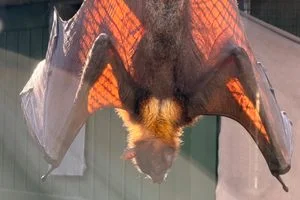
Unveiling Lubee Bat Conservancy
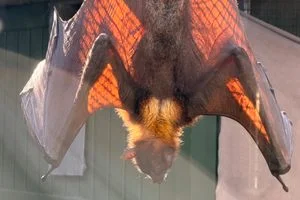
Nestled in the picturesque countryside north of Gainesville, Lubee Bat Conservancy embodies a significant effort in bat conservation. This small yet prestigious organization is fiercely dedicated to protecting bats and their natural environments, which are increasingly threatened by habitat destruction and climate change. Conservation efforts have grown more urgent due to the widespread misunderstanding and fear of bats in popular culture, leading to widespread decline in bat populations. While Gainesville is typically associated with its alligators, the delightful giant fruit bats at Lubee quickly steal the show, leaving visitors in awe of their size and charm.
The Role of Bats in Ecosystems
Understanding the value of bats is essential to appreciating places like Lubee. Bats play a vital role in ecosystems by pollinating flowers and dispersing seeds, which helps maintain biodiversity. Some bat species are known to consume significant amounts of insects—up to 1,200 mosquitoes in a single evening—which helps control pest populations. Unfortunately, many people overlook these crucial contributions, often viewing bats merely as creepy creatures to be feared rather than respected.
This misunderstanding has dire consequences. Bat populations, particularly in North America, have faced dramatic declines due to White-nose syndrome, habitat loss, and persecution by humans. The efforts by organizations like Lubee are thus not just about preserving bats; they're about preserving the health of our ecosystems.
Captivating Encounters
A visit to Lubee is an enchanting experience that often transforms first-time viewers into avid bat enthusiasts. Visitors are greeted by the sight of these magnificent creatures soaring through the air and hanging upside down, all while creating an almost magical ambiance. Children and adults alike find themselves enchanted, snapping countless photos and exclaiming, “Are they really that big?” That visceral reaction lays the groundwork for education and awareness. The emotional connection with these adorable creatures often leads to an unexpected fondness for bats, making it a memorable outing for all ages.
The conservancy offers guided tours and educational workshops, which deepen visitors' understanding of bats and their importance in our environment. These encounters often include fascinating facts about their habits, behaviors, and social structures. (And this is the part most people overlook: how deeply social and intelligent these animals are.) The experience moves beyond a mere visit; it often sparks curiosity and a commitment to conservation efforts, at least among some attendees.
Educational Outreach and Community Engagement
Lubee's impact extends beyond its grounds through various community engagement initiatives and educational outreach programs. The organization collaborates with schools, universities, and local communities to foster a deeper appreciation for wildlife and environmental stewardship. By hosting special events, such as Bat Nights and conservation workshops, they encourage active participation from volunteers and community members.
This active education model is crucial given the general misconceptions surrounding bats. Public engagement can demystify these creatures, turning fears into fascination. For those working in conservation or education, this model serves as a template for similar efforts elsewhere—and its success points toward how community involvement can lead to greater awareness and support for environmental conservation.
Challenges Facing Bat Conservation
Despite the admirable efforts of Lubee and similar organizations, bat conservation faces steep challenges. One significant hurdle is the ongoing loss of natural habitats due to urbanization and agriculture. As forests are cleared for development, bats lose crucial roosting sites and foraging areas. While ecotourism can provide some funding for conservation programs, it can also introduce risks, such as human-bat interactions that lead to stress or disease transmission.
Another hurdle is climate change, which affects the availability of food sources and alters migration patterns for many bat species. Bat conservationists must not only focus on direct threats, such as disease and habitat loss, but also adapt their strategies in response to the changing climate. Evidently, the scope of these challenges is broad and complex. This isn't just about bats; it's about shifting how we interact with our ecosystems as a whole.
Future Outlook for Bats and Conservation Efforts
What this means for you, whether you're an environmental enthusiast or simply a curious visitor, is a growing opportunity to engage in bat conservation and education. Organizations like Lubee Bat Conservancy are paving the way for change, raising awareness of the critical roles bats play and the dangers they face. If you're working in this space, this rise in public interest is more significant than it looks; it indicates a shift toward greater environmental consciousness and greater support for initiatives that protect our planet.
Looking ahead, the conservancy aims to expand its reach through digital engagements—think virtual tours and online educational tools that could broaden their audience significantly. As technology continues to influence how we consume content, it will be interesting to see how these adaptations affect awareness and support for bat conservation. At the end of the day, engaging communities and fostering respect for wildlife will remain central to these efforts. The stakes are high, and the path forward will require a collective commitment to understanding and protecting these invaluable members of our ecosystem.


Discussion
Sign in to join the discussion.