A thorough examination reveals the need for skepticism towards Israeli statements, particularly regarding military actions and resultant narratives.
The Importance of Scrutiny
In media, critical evaluation is essential—if something is claimed, it deserves rigorous examination. This principle rings especially true when evaluating statements from powerful entities like the Israeli government. Recent investigations highlight a troubling pattern where Israel's claims, particularly those regarding military actions, lack thorough public accountability.
Comparing Investigations and Outcomes
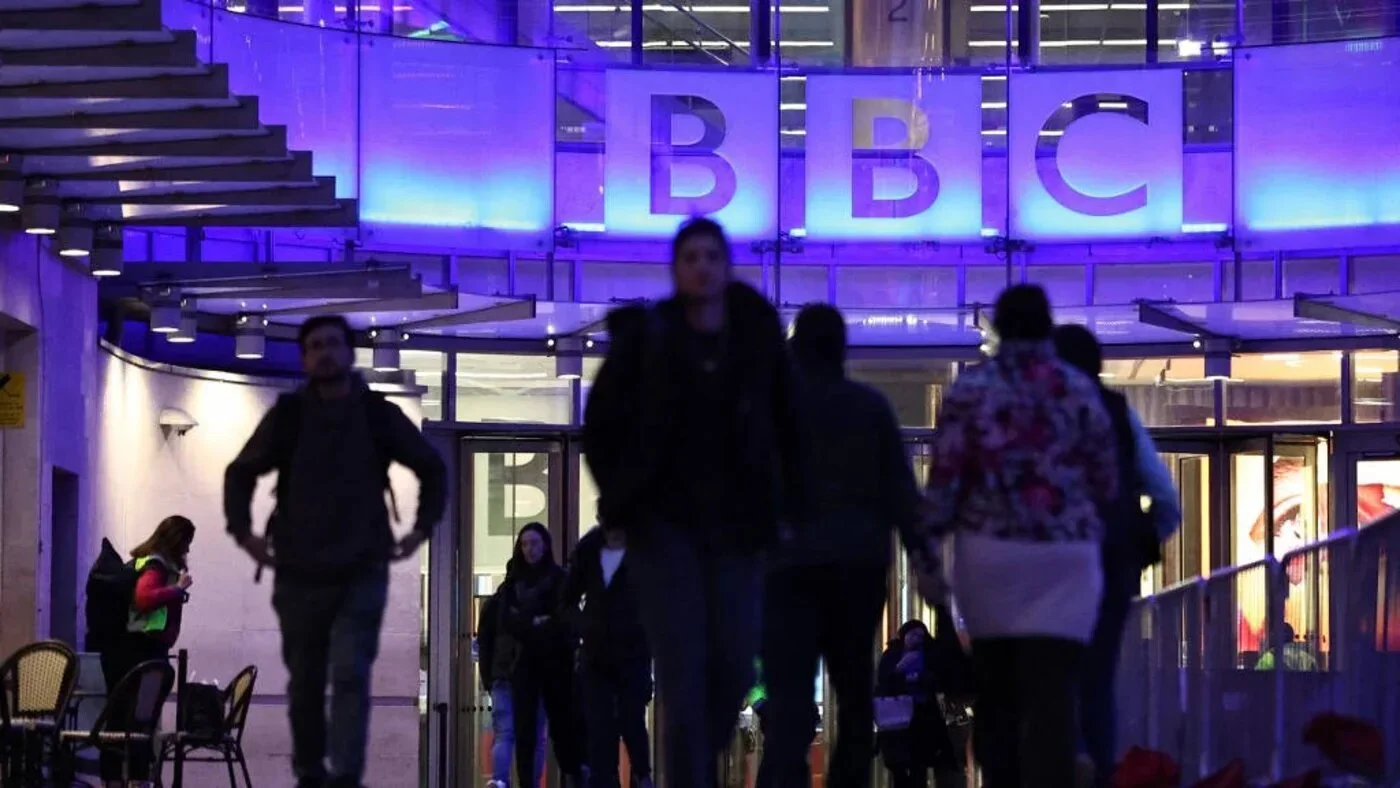
A recent report by BBC Verify has been instrumental in questioning the validity of Israeli military inquiries. It identified 254 instances where the Israeli military stated that it was looking into allegations of misconduct resulting in deaths or injuries, especially in contested regions like Gaza and the West Bank. Out of 300 such cases scanned, only 28 had any documented follow-up.
What does it signify when many of these investigations yield no public conclusion? It poses an essential inquiry: how much credence should one give to claims of accountability from the Israeli military when transparency in outcomes is almost nonexistent?
The Repercussions of Questioning Claims
Challenging Israeli narratives in places like the UK can provoke backlash, often from staunch supporters of the state whose arguments center on an uncritical endorsement of its actions. For example, MP Ayoub Khan, criticized for questioning the Israeli military's rapid conclusion regarding a specific Flight incident, embodies the risks faced by those who refuse to accept official statements unchallenged.
His situation illustrates a broader tension: media figures and public officials who dare to question the timing or nature of Israeli responses often find themselves under attack, reflecting a deep-rooted challenge in navigating public discourse about Israel.
Historically Grounded Skepticism
To understand the present context, it's enlightening to note historical precedents where Israeli statements have been later contested. For instance, in 1954, Israeli intelligence operated under the guise of Egyptian Jews, initiating bombings at British and American interests while intending to frame the Muslim Brotherhood. Initially denied by Israel, the episode had implications that only surfaced decades later.
Fast forward to 2023, after the Hamas attack, Israel’s assertions about heinous acts, such as the decapitation of infants, permeated news cycles before being refuted or clarified as exaggerations. This recurrence of dramatic claims with insufficient corroborative evidence fosters a perception that unverified assertions are spun into narratives to garner support.
Reporting Dynamics and Accountability
The inclination to accept Israeli statements at face value often sidesteps journalistic responsibility. Phrases like “Netanyahu says” become a shorthand for what is often an unverified narrative. Similarly, using quotes from unnamed Israeli officials diminishes accountability and rigorous journalistic standards. Real journalism demands that such statements be rigorously tested rather than merely conveyed as fact.
Numerous British media outlets provide platforms for Israeli claims, sometimes without the necessary scrutiny. For instance, Netanyahu's assertions about Britain's disregard for Israel or unfounded accusations against individuals and groups resonate loudly in a media landscape often hesitant to challenge them. This practice raises uncomfortable questions about self-censorship and the ethical responsibilities of journalists.
The Role of Media and Public Discourse
Recent findings indicate a disturbing bias in how media outlets report on Israeli actions compared to other global events. Data show that Israeli military actions are framed with justifications more frequently than equivalent incidents involving other nations. The Centre for Media Monitoring found that British reports often showed a differential treatment of casualty counts among journalists, with 62 percent of journalists' deaths in conflict zones like Ukraine highlighted compared to only 6 percent for Palestinian journalists—a trend that calls for reflection deeply rooted in journalistic ethics.
With mainstream narratives heavily influenced by official Israeli statements, unqualified reporting risks reinforcing harmful stereotypes and misinformation. Trustworthy journalism should initiate inquiries rather than concluding them, demanding additional evidence and clarity in reporting.
Conclusion: A Call for Critical Engagement
In light of these examples, it is vital for journalists to engage with claims critically rather than repeating them. The public deserves more than a regurgitation of “what Israel says.” When the media fails to investigate the assertions of powerful figures, it relinquishes its role of informing the public and contributing to informed discourse. With issues of immense complexity at stake, it’s imperative that questions remain sharp and investigations are thorough.
Encouraging skepticism around high-stakes claims is not an act of prejudice; rather, it is a demand for accountability—an essential requirement for any society moving toward a genuinely democratic discourse.
The views expressed in this article reflect the author’s perspective and do not necessarily represent the editorial stance of any organization.

Discussion
Sign in to join the discussion.