In Bishkek, a striking monument once celebrated Kyrgyzstan's pioneers, but its bronze portraits have vanished, replaced by silent names and reflections.
The Monument: A Symbol of National Identity
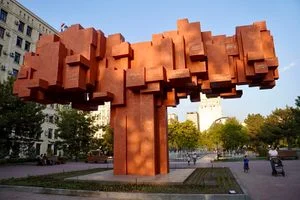
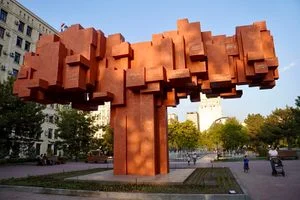
Located at the western end of Chuy Avenue, the Kyrgyz National Academy of Sciences stands out with its striking yet somber monument. Constructed from rust-red concrete blocks, the design embodies a blend of nature and urban life—a visual metaphor for Kyrgyzstan's cultural roots intertwined with modern development. Each block is embedded with brass plaques that commemorate prominent figures in Kyrgyz history and culture, including names like Aitmatov and Academician Akaev. These names carry profound significance in Kyrgyz identity, representing generations of intellectual and artistic contributions that shaped the nation's narrative.
From Pride to Loss
When the monument was inaugurated in 1995, it served as a tribute to the nation’s pride. Artists, writers, and scientists were not just celebrated; they were physically manifested in life-sized bronze portraits, which conveyed the ideal that the figures immortalized in stone and metal could inspire future generations. Yet, within just a few years, these bronze sculptures began to disappear, victims of theft driven by the allure of scrap metal value. This loss is more than just material; it’s a cultural wound, creating a void that speaks to the fragility of memory in the face of socioeconomic strife.
The decision by sculptor Turgunbai Sadykov to remove the remaining figures speaks volumes about the enduring relationship between art and society. The act of descaling this once-vibrant monument left it as a hollow shell, devoid of the very essence that it was meant to embody. This transformation raises important questions about what happens to public memory and recognition when the voices that shaped it are rendered mute by circumstance.
Reimagining the Past: Brad Downey's Intervention
In 2016, artist Brad Downey took an innovative approach to confront the monument's emptiness. He collaborated with a local research team to track down contemporary Kyrgyz professionals associated with the fields once represented. By photographing these individuals in the same niches where the bronze figures once stood, Downey symbolically restored the connection between the past and present. This act serves not only as a reimagining of who deserves to be recognized but also highlights the evolving nature of cultural significance—an acknowledgment that the legacy of a nation can still thrive through the contributions of its dynamic present.
What’s compelling here is how Downey’s work navigates cultural identity in real time. By inviting contemporary figures into these spaces, he challenges the static nature of public memory and encourages an ongoing dialogue about representation. It’s not just about elevating historical figures; it’s about recognizing that more voices can and should enter the conversation.
A Reflection on Memory and Recognition
Visiting the monument during the late afternoon offers a unique experience. The sunlight casts a warm hue on the concrete, contrasting with the cold reality of the empty niches. Nearby fountains splash, creating a lively atmosphere where children joyously ride around the base. Yet, amidst this vibrancy, few visitors seem to look up at the names etched into the concrete. This lack of engagement serves as a poignant reminder of how easily memory can fade when not actively acknowledged.
If you’re working in the fields of cultural preservation or public art, this situation highlights an important lesson: public monuments are not simply static structures. They require ongoing community involvement and recognition to keep their significance alive. When the portraits disappeared, it wasn't merely about lost material; it reflected a broader disconnect between the society and its historical narratives.
Implications for Cultural Memory
What does this all mean for the future? The issues surrounding the Kyrgyz monument shed light on broader themes of cultural identity, recognition, and the challenges of preserving history in a modern context. As we see in the case of Kyrgyzstan, the deterioration of physical representations can resonate deeply. Public monuments should reflect not only historical achievements but also evolving narratives that include diverse voices from the present.
This is more significant than it looks. By engaging with contemporary figures, Downey’s intervention encourages communities to rethink their narratives, urging them to ask who deserves to be remembered and why. In doing so, he has created a space for reflection—one that challenges the perception of memory as a fixed point in time. While Sadykov's original art intended to edify, the absence of those figures has devolved into a stark critique of how memory and recognition interact.
And yet, as societies confront the loss of cultural symbols, there’s a need to replace them—not merely with more statues or monuments but with dialogues that encompass the ongoing story of a nation. The next steps for Kyrgyzstan could lean towards initiatives that actively involve the community in choosing what and who gets remembered. Engaging in such discussions will ensure that shared narratives adapt over time and remain reflective of the people they represent.
Discussion
Sign in to join the discussion.