Explore Con Chim Islet, a hidden sanctuary in Vietnam that offers a rich habitat for rare bird species and a unique wilderness experience.
A Hidden Gem in Vietnam
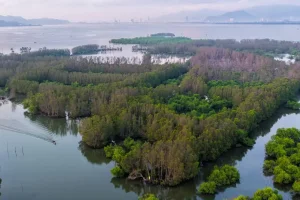
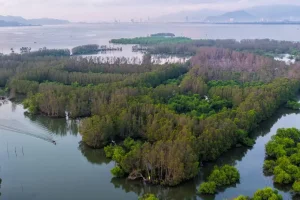
Nestled away from the typical tourist hotspots, Con Chim Islet presents an untouched natural wonder in the Thi Nai Lagoon. With its sprawling mangrove forests, this islet shapes an extraordinary backdrop distant from the bustling beach resorts lining Vietnam's coast. In recent years, there’s been a significant shift in travel preferences towards more off-the-beaten-path destinations, and Con Chim Islet fits that trend perfectly.
One major appeal of such locations is their ability to offer travelers an escape from the crowds and the commercialization that often overwhelms popular tourist spots. This is especially pertinent in Vietnam, where areas like Da Nang and Nha Trang draw large numbers of tourists. Finding solace in nature, while still being able to experience local culture, is becoming increasingly prized. Con Chim Islet stands as a testament to this evolving travel mindset, showcasing Vietnam's hidden natural charm.
A Sanctuary for Wildlife
The islet serves as a vital refuge for a variety of rare bird species, including herons and egrets that thrive in this unique ecosystem. Such ecosystems are generally essential to maintaining biodiversity, and the Thi Nai Lagoon is no exception. At twilight, the skies come alive as thousands of birds take flight, creating a mesmerizing display before they settle into the lush greenery overhead.
This extraordinary spectacle of nature provides an excellent opportunity for bird watchers and wildlife enthusiasts. In recent years, there’s been a growing awareness of the need to protect such habitats amid increasing threats from urbanization and climate change. In many ways, Con Chim Islet symbolizes hope; the coexistence of wildlife and human activity can be achieved without overshadowing the natural environment. The conservation measures in place here might serve as a model for similar ecosystems facing similar challenges across Vietnam.
An Authentic Experience
Visitors have the opportunity to explore this aquatic paradise by small local boats or stand-up paddleboards, navigating the emerald channels. These modes of transport align well with sustainable tourism practices; they reduce environmental impact and give people a more intimate experience with nature. The slow pace allows for deeper immersion into the scenic wonders surrounding the islet.
Traditional fishermen, who still practice age-old casting techniques, inhabit this area, adding to the charm of an environment rich in life and cultural heritage. Here’s the thing: these fishermen not only contribute to the local economy but also preserve cultural practices that risk fading away in today's fast-paced world. Engaging with them provides insights into sustainable fishing practices which are essential given the mounting pressure on marine resources globally.
The simplicity of the experience is what many travelers are now craving. Instead of luxury resorts and fancy cuisines, the focus is on authenticity. Travelers want to feel a connection to the places they visit, and what better way to achieve that than by interacting with local fishermen who have spent generations mastering their craft? Visiting places like Con Chim Islet allows for a unique blend of relaxation and learning, meeting both personal satisfaction and social responsibility.
Implications and Future Outlook
The popularity of hidden gems like Con Chim Islet may signify a turning point for tourism in Vietnam. As visitors increasingly seek alternative experiences that highlight nature and local culture, the tourism industry can pivot to accommodate these demands while ensuring environmental preservation. Governments and local authorities may face a balancing act: promoting tourism to support economic development while protecting delicate ecosystems.
If you're working in this space, consider that the continued interest in lesser-known destinations could lead to a greater need for sustainable infrastructure. The challenge lies in attracting tourists without overwhelming local communities. Sustainable practices in tourism aren’t just about conservation; they can also enhance the travel experience, offering something that mass tourism cannot provide. And yet, over-commercialization can easily threaten this balance.
What this means for you, if you're involved in travel planning or tourism development, is that understanding customer preferences will be more than just staying ahead of trends; it will mean embracing the local culture and environment. There's a potential growth in community-based tourism, which encourages travelers to engage directly with local residents, thereby fostering cultural exchange without jeopardizing the local ecosystem.
This situation raises questions about the scalability of such models. Can these hidden gems handle increased foot traffic without compromising their natural allure? Perhaps, but only through carefully managed growth strategies that prioritize sustainability.
As interest in destinations like Con Chim Islet continues to rise, the broader community must engage in thoughtful discussions about the implications of such changes. Will we see a shift in Vietnam’s tourism policy that favors sustainable, localized experiences over mass-market destinations? That remains to be seen but with the right approach, the future could hold exciting developments that protect both natural and cultural assets for years to come.


Discussion
Sign in to join the discussion.