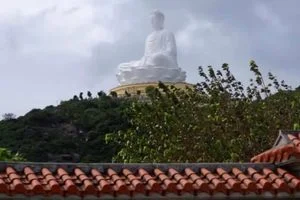
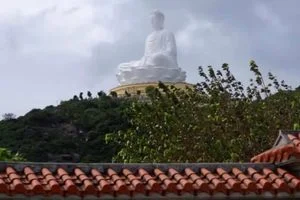
Linh Phong Pagoda, a vital spiritual site in Cat Tien, captivates visitors with its serene atmosphere and stunning views, featuring a monumental Buddha statue.
A Cultural Landmark
Linh Phong Pagoda, also known as Ong Nui Pagoda, sits gracefully amid the enchanting Ba Mountain range. Its beauty and significant spiritual symbol reflect the cultural values and deep-rooted traditions of the local community. Pagodas have been central to Vietnamese spirituality for centuries, often serving as places of worship and community gathering. Linh Phong Pagoda, in particular, stands out, not just for its architectural style, but for its integral role in the lives of those who live nearby.
Constructed with a blend of traditional Vietnamese and Buddhist architectural styles, the pagoda is more than just a structure; it's a beacon of local culture and history. Visitors often describe a strong sense of peace when they approach the site, which is no coincidence. Pagodas like Linh Phong are designed to promote contemplation and connection to the divine, offering a respite from the hustle and bustle of daily life.
The Journey to Serenity
For those seeking both physical and spiritual renewal, the pilgrimage to Linh Phong Pagoda is noteworthy. Visitors will find themselves ascending 600 stone steps, a journey that is as much mental as it is physical. Each step serves as a reminder of the path toward enlightenment and serenity, a core tenet of Buddhist philosophy.
While the climb challenges the body, it also enhances the mind. Many who undertake this journey report feelings of introspection and growth as they move upward. The effort involved makes reaching the temple feel like an accomplishment, not just in a physical sense, but spiritually as well. This duality of experience is what attracts countless visitors, from hiking enthusiasts to spiritual seekers.
At the summit, the tranquility becomes palpable. You’re surrounded by the sounds of nature, and the striking views of the mountainous landscape foster a moment of reflection. People often pause at this point, appreciating how their strenuous journey has led them to a place of peace and solitude. (And this is the part most people overlook.) The journey itself becomes a transformative experience, encouraged by the natural beauty and serene environment.
Awe-Inspiring Features
Upon arriving at the temple, you’re met by the majestic sight of a stunning white Buddha statue in deep meditation. It's a powerful image, representing both spiritual depth and calm. The Buddha gazes out across the expansive landscape, serving as a guardian to those who come seeking solace. This design choice reflects a larger architectural trend found in many pagodas, where deities are placed in positions that symbolize their oversight of the physical and spiritual realms.
The main hall, along with an adjacent sanctuary, showcases intricate traditional architecture characterized by ornate wood carvings and detailed plaster work. These artistic elements are not just decorative; they tell stories of the region's history and cultural narratives, often illustrating significant religious events. Visitors often find themselves captivated not just by the aesthetics but by the stories the architecture conveys.
From this vantage point, you’re rewarded with breathtaking views. The misty peaks of Ba Mountain roll into the horizon, creating a backdrop that feels almost mystical. This unique vantage point allows for activities beyond mere observation; visitors often find themselves gathering for photography, meditation, or simply soaking in the atmosphere. There's something meditative about this space, one that invites introspection while immersing you in nature’s magnificence.
Implications and Significance
The significance of Linh Phong Pagoda extends beyond its physical attributes. It stands as a testament to the resilience of local cultural practices in a world increasingly dominated by modernity and globalization. As tourism evolves, preserving such sites becomes imperative, not just for their spiritual meanings but also for their roles in community identity.
Moreover, this site influences local economies through tourism, fostering jobs in hospitality and related sectors. If you’re working in this space, pay attention: cultural landmarks like this one can boost local economies and promote sustainable tourism practices, benefiting both visitors and residents alike.
Looking ahead, the challenge will be to balance the preservation of such cultural heritage with the inevitability of change that modern tourism often brings. As more visitors flock to this serene destination, the local community must navigate the tensions between welcoming tourists and protecting their spiritual haven. The delicate equilibrium of sustaining traditions while accommodating the needs of a growing visitor base will define the future of Linh Phong Pagoda and other similar sites.


Discussion
Sign in to join the discussion.