La Ribota Park in Alcorcón uniquely blends serene greenery with an artistic representation of the solar system, showcasing various deities.
Unexpected Artistry in Alcorcón
Encountering the gods of Olympus in a suburban park near Madrid isn’t something you might expect, yet La Ribota Park in Alcorcón presents a delightful surprise. This isn't just a park; it's a multi-sensory experience designed to blend leisure with education and mythology. While Alcorcón is often recognized for its modern urban features, this park transforms into a canvas of classical mythology, adorned with its own miniature solar system. Visitors can find themselves pondering the significance of these mythological figures while enjoying a leisurely stroll amidst green spaces.
A Serene Escape
Sitting on the southern fringes of Alcorcón, La Ribota Park offers locals a tranquil escape, complete with green walks and inviting spaces to unwind. It’s a stark contrast to the urban bustle just a short distance away. Central to its charm is the artistic vision of Ángel Aragonés, who has crafted a diverse array of sculpture-fountains depicting significant figures from mythology. These sculptures invite not only relaxation but contemplation, creating an environment where art and nature interact meaningfully.
Celestial Design and Mythological Figures
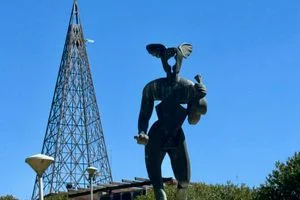
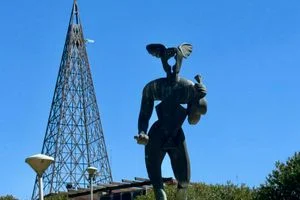
At the heart of this celestial display is Apollo, the personification of the Sun. Surrounding him, pathways extend outward, mimicking the solar system's layout and guiding visitors to other divine figures. The design is straightforward yet effective; sculptures showcasing recognizable figures such as the swift Mercury, the romantic Venus, Earth’s representative Gea, and the formidable Mars ensure the experience is not just visually stimulating but also educational. For those with even a mild interest in mythology, the art creates an engaging learning opportunity, blending art with storytelling.
(and this is the part most people overlook) Visitors to the park aren’t just walking; they are tracing the paths of mythological significance. Each installation functions like a chapter in a storybook, inviting interaction and reflection.
The Distinction of Pluto
Among the sculptures, Pluto stands out. Despite being reclassified as a “dwarf planet” in 2006 by the International Astronomical Union, La Ribota boldly retains him within planetary status. This is more significant than it looks. In an age where scientific consensus shifts, art often retains the cultural narrative. Pluto’s ongoing representation here not only highlights the park's commitment to mythology but also serves as a critique of how contemporary design can both celebrate and challenge scientific categories. After all, after his long journey through the solar system, he surely deserves a prominent spot—especially in an artistic narrative that values enduring myth over fleeting classification.
The Enchanting Shift at Dusk
As daylight fades, La Ribota Park takes on a transformative quality. At dusk, the atmosphere shifts, as dynamic lighting casts ever-changing shadows across the sculptures and fountains, enhancing their ethereal presence. This nightly spectacle is not merely aesthetic; it can evoke feelings of wonder and introspection, prompting visitors to think about the stories and histories encapsulated in the art around them. The interplay of light and shadow creates a stunning visual narrative, serving to draw local residents and visitors alike back to the park after sunset.
Implications and Future Outlook
La Ribota Park embodies an intriguing marriage of art, mythology, and education, and serves as a model for similar public spaces. If you're working in this space—urban planning, educational theory, or even community engagement—there's a lot to glean from its design. The park's ability to weave together themes that resonate across generations speaks to a greater potential in public spaces, where artwork can become a vehicle for education and cultural dialogue.
As cities begin to reevaluate their public spaces, the potential for parks to serve as educational hubs will only grow. With the right investment and creative vision, other urban areas could create installations that echo La Ribota's commitment to mythology while reflecting contemporary themes. This approach to public art might also encourage increased foot traffic and community engagement, important for maintaining vibrant urban environments amidst ongoing urbanization.
In wrapping up, La Ribota Park stands not only as a local gem but as a case study in how public art can enhance community spaces. It’s an expression of how modern society continues to grapple with its relationship to ancient narratives—stories that, while buried in the past, still cast a long shadow over our present.


Discussion
Sign in to join the discussion.