Houthi advances threaten a Saudi oil export route, giving Tehran leverage while exposing the limits of its influence over the group.
A coastal gain with strategic weight
Houthi gains around Yemen’s Red Sea coast have sharpened Iran’s leverage over Saudi Arabia, but they also expose how little control Tehran may have over the group’s decisions. That tension matters: influence can give a state more ways to pressure a rival, while still leaving it unable to dictate how an armed partner uses that influence.
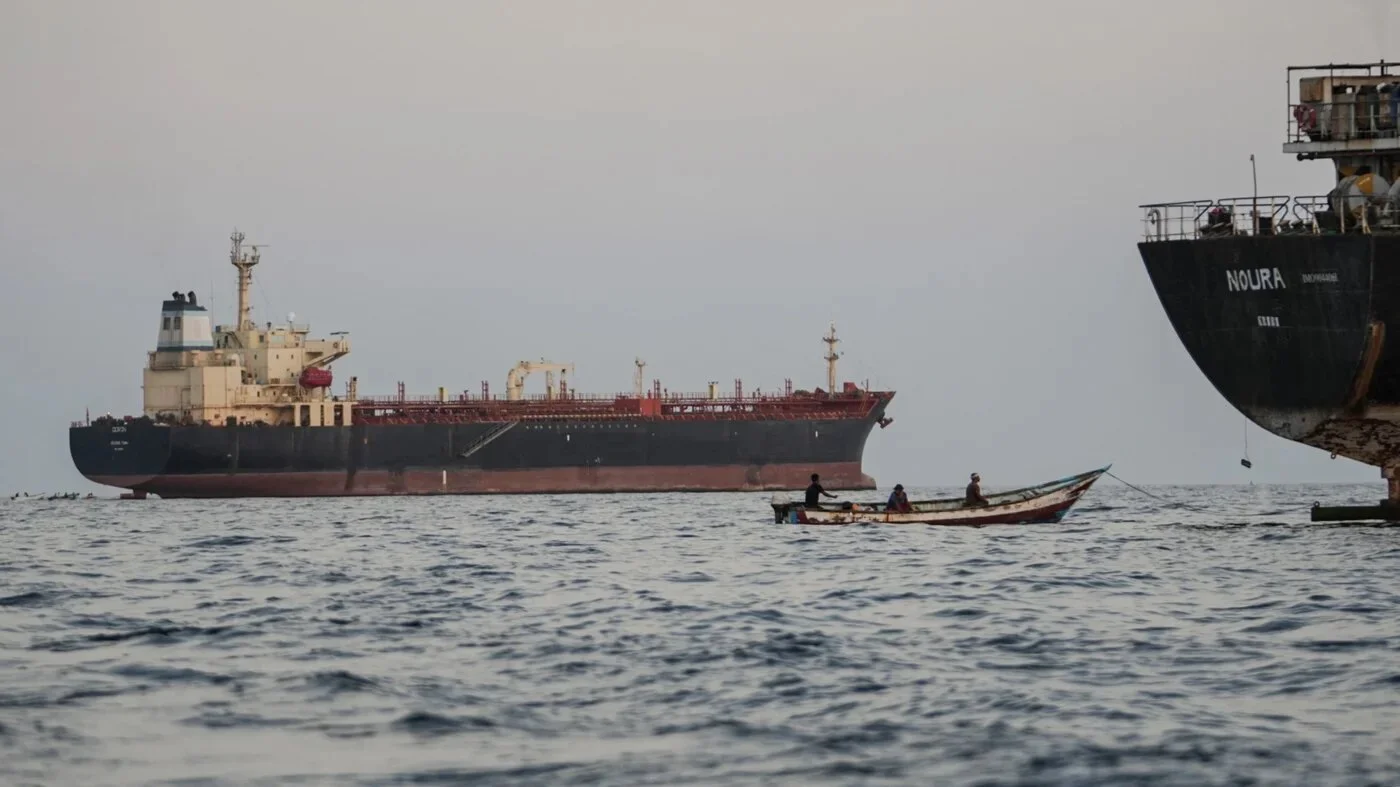
The Houthis captured the port city of Mokha in September from forces backed by Riyadh. The town’s position near the Bab al-Mandab Strait gives the capture significance beyond Yemen’s internal contest. Bab al-Mandab connects the Red Sea with the Gulf of Aden and the Indian Ocean, so threats in its vicinity can draw the attention of governments and businesses concerned with the movement of commercial vessels.
Geography alone doesn’t establish who can control traffic through a strait, or how much disruption any particular threat could cause. But it can raise the perceived risk of shipping through nearby waters. In a region where Saudi Arabia’s export routes and Iran’s regional rivalry intersect, even the possibility of pressure on a narrow maritime corridor can become part of political bargaining.
Shipping routes and oil pressure
Mokha’s position puts a potential alternative route for Saudi oil exports at risk, alongside Houthi attacks on Saudi oil infrastructure and the group’s influence over Red Sea shipping. These pressures work through different channels. Infrastructure attacks threaten facilities on land, while maritime risks can complicate the movement of goods and create uncertainty for carriers operating around the coast.
The article’s central point is that these pressures could help Iran push oil prices higher and urge US President Donald Trump to end the war. The link is strategic rather than automatic. A threat to supply routes can add to concern about disruption, but the effect on prices or political decisions depends on how events develop and how governments and markets respond.
That distinction matters. The ability to create uncertainty isn’t the same as the ability to control the outcome. Tehran may benefit if regional tensions make the war more costly or politically difficult for its opponents. It may also face consequences if pressure prompts escalation that it can’t contain.
Bab al-Mandab also sits within a wider pattern of concern about maritime chokepoints. The source connects threats there with possible disruption in the Strait of Hormuz, widening the stakes for regional trade. The two waterways are distinct, but referring to both highlights the possibility that pressure in one part of the region could be linked politically to pressure elsewhere.
That broader framing can magnify a local conflict. Traders, ship operators and governments have to consider whether a threat is isolated or part of a wider contest. (And this is the part most people overlook.) The strategic value of a threat can come from the uncertainty it creates, even before anyone can say what its practical impact will be.
Iran’s influence has limits
Iran can use its relationship with the Houthis as part of its regional strategy, but the source points to an important limit: the group has domestic goals of its own. Those goals may shape its choices in ways that don’t match Tehran’s preferred timing or level of pressure.
This is a familiar problem in relationships between states and armed groups. Support can create channels of influence and shared interests, yet it doesn’t necessarily translate into command. A group with its own political priorities and local pressures has reasons to make decisions for itself. The stronger its independent agenda, the harder it can be for an outside partner to predict or restrain its actions.
That makes the Houthi position strategically useful to Iran and potentially difficult for it to manage. If the group’s actions increase pressure on Saudi Arabia, Tehran may gain bargaining power. If those actions intensify the conflict beyond what Iran wants, the same relationship can become a source of risk.
For Saudi Arabia, the relationship presents a dilemma of its own. The source says Riyadh has sought Tehran’s help to contain the Houthis. That places Iran in an unusual position: it’s being asked to help limit the actions of a group whose pressure can serve Iranian interests. Whether Tehran can influence the outcome depends in part on how much the Houthis value its preferences against their domestic aims.
The strategic balance and what comes next
This is more significant than it looks because the contest isn’t only about territory or a single port. It also concerns who can shape the risks surrounding trade, energy exports and regional diplomacy. A coastal gain can alter calculations even when it doesn’t settle the war or give an outside power direct control over the group that holds it.
If you’re working in this space, the key question is not simply whether Iran has influence over the Houthis. It’s how much that influence matters when the group weighs its own objectives. The answer may differ from one decision to another; shared interests can support cooperation, while disagreements over escalation can expose the limits of the relationship.
Tehran’s narrow path, as described in the source, is to support a regional ally while trying to keep the conflict from escalating beyond its reach. That balancing act has no easy guarantee. Restraint might reduce the immediate risk of a wider confrontation, but too much restraint could also limit the pressure Iran hopes to exert. And yet, encouraging pressure carries its own danger if the group’s decisions outpace Tehran’s ability to shape them.
For now, the article presents leverage as a possibility rather than a settled advantage. The Houthis’ position near Bab al-Mandab and their attacks on Saudi interests give Iran potential ways to raise the costs of the war. The group’s independent goals, however, leave open whether Tehran can turn that pressure into an outcome it wants. A difficult balance.
Read more: Yemen, Bab al-Mandab and Saudi Arabia: Tehran’s strategic calculus in the balance


Discussion
Sign in to join the discussion.