Azerbaijan’s restrictive headscarf policies raise critical questions about education access and the voices of affected Muslim girls.
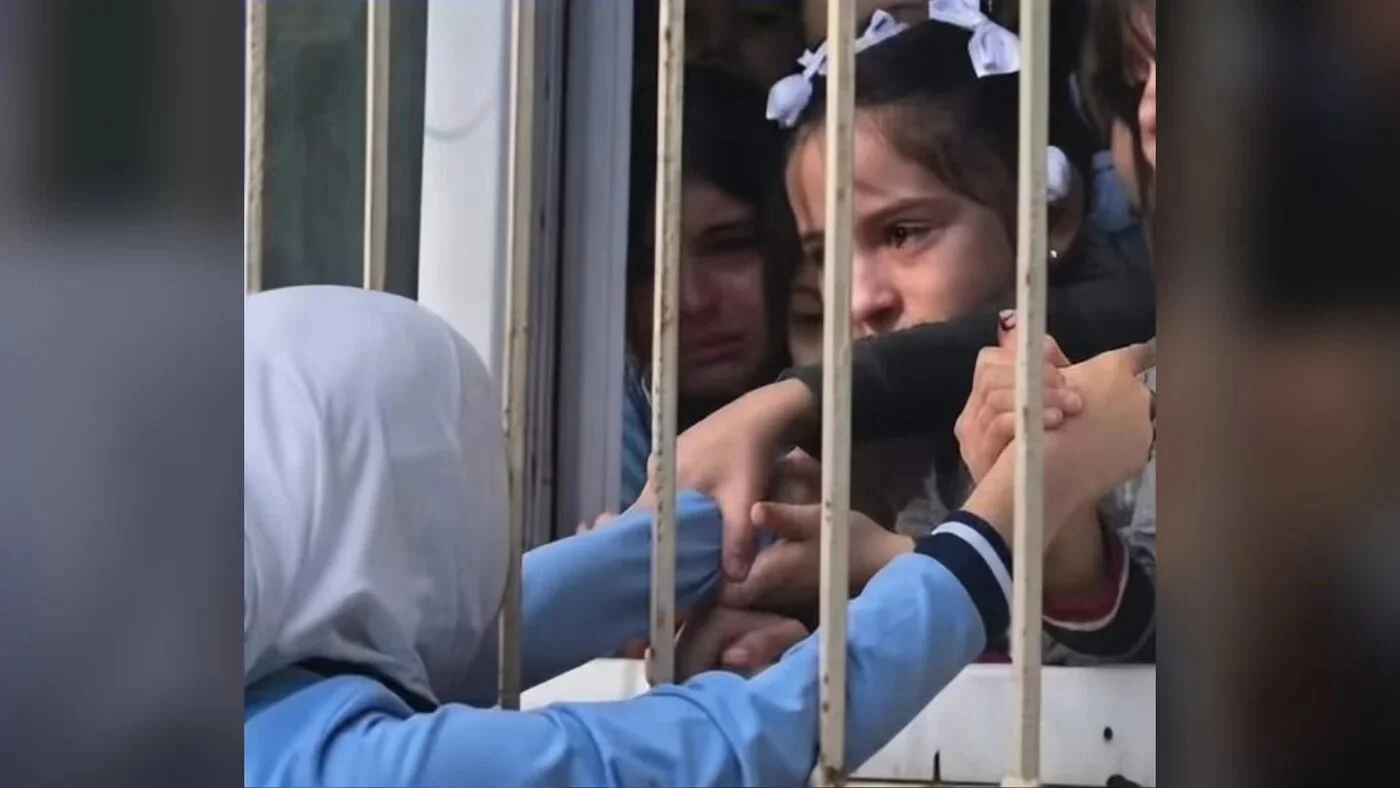
The ongoing debate surrounding Muslim girls' headscarves has escalated in Azerbaijan, where recent amendments to school uniform regulations are stirring controversy. Although these new rules don't explicitly ban headscarves, reports indicate that Muslim girls are being turned away from schools based on their choice of attire. This issue touches not only on educational access but also on the visibility of religious identity within the framework of a secular state.
At the heart of this conflict is a significant question: does access to education hinge upon making one’s religious identity invisible? When a girl is pressured to remove her hijab to enter school, it transcends mere dress etiquette and signals an attempt to suppress her personal beliefs. It's critical to examine how these policies affect the lives and identities of girls, rather than simply debating them within the broader context of secularism versus religious freedom.
Decisions Impacting Lives
What stands out in this controversy is the need to center the discussion around the girls themselves. The implications of these policies extend beyond political debates, affecting daily lives and educational opportunities. The narrative should shift away from adult perspectives and involve the voices of the affected girls, who face real-life consequences due to decisions made regarding what they can and cannot wear.
This situation isn't isolated to Azerbaijan; it mirrors a global challenge, where Muslim women's clothing often becomes a litmus test for societal values and modernity. The headscarf can embody varying meanings—commitment, identity, or oppression—and it's crucial to avoid one-size-fits-all assumptions about its significance.
Questioning Authority and Norms
There's a troubling contradiction when authorities claim to free women from religious obligations while imposing another set of restrictions on their clothing. Whether mandating the hijab or banning it, both scenarios demand scrutiny regarding who retains the power to dictate personal choices, especially for younger individuals. Girls frequently find themselves as markers of family values or state policies, rather than as autonomous individuals defining their beliefs.
We should be asking not who dictates the clothing choices of Muslim girls, but why their voices are often silenced in these discussions.
While secularism's intent is to cultivate a neutral environment in schools, enforcing uniformity can inadvertently demand that students erase their individual identities. It's essential to differentiate between creating equality in educational settings and diminishing personal expression, as the latter can lead to exclusion and alienation.
Voices of the Future
Engaging a rights-based perspective on this issue requires consideration of numerous factors, including the influences exerted by family and society, as well as the pressure exerted by institutional regulations. As outlined by the UN Convention on the Rights of the Child, children possess the right to express their views on matters that affect them, including their thoughts on clothing and religious expression.
Listening to girls isn't merely about granting them the freedom to choose but also about ensuring they are protected and supported in their evolving situations. It's essential for educational environments to foster dialogue, allowing girls to articulate their beliefs while navigating external pressures to conform.
Dismissing a girl’s choice in the name of educational standards can have profound repercussions, extending far beyond a missed class. The impact on her self-esteem, relationships, and sense of belonging during formative years can be detrimental and lasting.
Including All Perspectives
Schools serve as spaces for children to learn from one another and engage with diversity. If the goal of education is to nurture independent thinking and decision-making, then enforcing exclusionary practices undermines this objective. Protecting the rights of girls to express their identities should not come at the expense of their right to education.
It's worth emphasizing that the conversation around headscarves shouldn't focus solely on whether they can be banned or mandated; instead, we need to question why the perspectives of the very girls in question are rarely highlighted. Ultimately, educational policies should aim to embrace and celebrate diversity rather than create barriers.
The perspectives presented here reflect the author's views and do not represent the editorial stance of Middle East Eye.


Discussion
Sign in to join the discussion.