Discover the unique collection and rich heritage at Tiptree Jam Museum, showcasing over a century of jam-making in the heart of Essex.
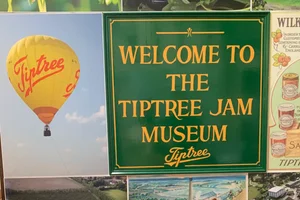
A Taste of Tiptree Jam Museum
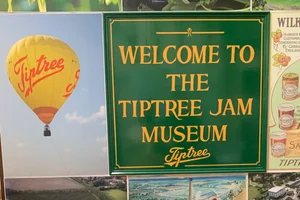
When you're traveling through Essex, you’ve probably seen those mini jam jars from Wilkin & Sons adorning breakfast buffets throughout the UK. These little jars symbolize not just a beloved product but also a rich history of craftsmanship and tradition. Nestled in a converted barn on the very grounds of their preserve factory, the Tiptree Jam Museum tells the story of one of Britain’s most cherished jam producers. What truly stands out is its entrance, which features a retro pole that used to serve as the chimney for the factory. It remained in use from 1984 until its decommissioning in 2021, a physical reminder of the factory's continuous evolution through the decades.
From Scrap to Showcase
The museum's origins trace back to the 1970s when a member of the Wilkin family took it upon themselves to save old equipment and historical documents from being discarded. This foresight proved instrumental for future generations who would eventually forge a connection with the past. Opening to the public in the 1990s, the museum provides a fascinating glimpse into how the brand transitioned from a humble Victorian farm into a global powerhouse in the jam-making industry. The surrounding picturesque fields, where the company's famed strawberries still thrive, only add to the overall charm of the visit. Such a narrative isn't just about preserve making; it symbolizes agricultural heritage and community ties that have lasted through years of changing markets.
A Delightful Collection
The museum doesn’t just focus on traditional exhibits of vintage preserving machinery and historical packaging. It offers a delightfully quirky collection of artifacts that feel out of a time capsule, providing context and depth to Tiptree's narrative. You’ll come across an oddly fascinating display featuring a taxidermied four-legged chicken, alongside old railway plans, royal photographs, and even a diary entry related to an airship incident that occurred near the factory. What really stands out, though, is a letter from Prime Minister William Gladstone, the very individual who inspired the founder's original jam venture. This connection ties in not just the legacy of the product but also a slice of British history, making the visit more enriching. Coupled with a jar from one of the first batches produced, it becomes a tangible testament to the brand's long-standing presence in British culture.
Plan Your Visit
If you decide to visit the Tiptree Jam Museum, prepare yourself for more than just a history lesson. Depending on the season, you might even catch the tantalizing scent of fresh strawberries wafting through the air. The museum provides a delightful shop where you can stock up on various jams and preserves, offering a chance to take home a piece of this storied brand. To further complement your visit, the accompanying tea room offers an array of scrumptious options that beautifully pair with the preserves. An experience here isn’t merely a quick stop; it’s a full sensory experience that intertwines history, flavor, and nostalgia.
Implications and Future Outlook
Given the rise of local and artisanal food movements, Tiptree’s story holds particular significance for consumers who are increasingly seeking authenticity. As people become more interested in the origins of their food, museums like Tiptree provide a vital link between consumers and producers. In this regard, you can expect these types of establishments to grow in popularity as they tell compelling, relatable stories behind their products—stories that resonate on personal, cultural, and even national levels. This isn't just a trend; it's a shift in how food producers will need to approach marketing and brand loyalty in the future.
What does this mean for you? If you’re working in this space, it’s imperative to recognize that consumer interest in provenance and the narrative behind brands is becoming more pronounced. Tiptree serves as a case study in how a brand can capitalize on historical significance to bolster its market position, particularly as younger consumers show increasing sensitivity to authenticity. The ongoing challenge will be maintaining that narrative while adapting to modern changes in consumer preferences.
(and this is the part most people overlook) As Tiptree navigates this landscape, it also faces the challenge of sustaining quality while potentially increasing production to meet demand. Balancing growth with the authenticity that brought them success will be essential to their long-term strategy. The museum stands as a living testament to their journey, but the question remains: how well will they adapt their traditions to thrive in today’s marketplace? One thing’s for sure: Tiptree is more than just a producer of jam; it's a keeper of history and tradition, and it has an interesting road ahead.


Discussion
Sign in to join the discussion.