A striking bronze sculpture in Madrid is stirring conversation about its artistic merit and safety in a bustling urban environment.
Floating Sculpture Captivates Madrid
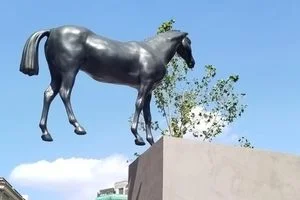
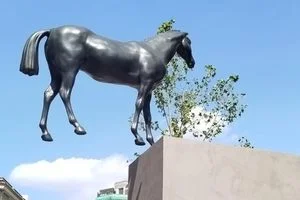
In the heart of Madrid, a newly unveiled sculpture is drawing attention for both its unusual design and its contentious reception. This impressive piece, a bronze horse seemingly suspended in air, stands 6 meters (19.68 feet) tall and rests on a slender pedestal, giving the illusion of defying gravity. The sculpture presents an intriguing blend of artistry and architecture, raising questions about the interplay between form and function in public art.
Art has long served as a reflection of the society in which it exists. In this context, "The Rumor of Discord" not only captures the eye but also highlights the cultural milieu of contemporary Spain. Madrid, a city steeped in rich artistic tradition, is no stranger to bold endeavors, but this piece pushes boundaries in more ways than one. As both a spectacle and a conversation starter, it occupies a unique space in the public consciousness, not only as a visual landmark but as a catalyst for dialogue.
Artistic Controversy Erupts
Titled "The Rumor of Discord," the sculpture has sparked discussions among locals regarding both its artistic significance and potential hazards. While some admire the striking design, others raise concerns about its placement in a bustling area frequented by pedestrians and vehicles, suggesting it could pose safety risks. Public art often walks a fine line between bold expression and community safety. Here, the intersection of art and urban life leaves many questioning whether such a provocative installation belongs in a busy neighborhood.
Some critics argue that public spaces should prioritize citizen safety over artistic experimentation. Underneath the visual allure lies a weighty responsibility. What happens if a gust of wind or an unforeseen accident nudges this high-flying equine into the unpredictable chaos of urban life? That said, the installation has garnered significant interest, drawing both art aficionados and curious onlookers alike. The social debate surrounding it feels like a microcosm of larger discussions about the role of art in civic spaces — an ongoing dialogue where public safety and artistic freedom often clash.
Intended Provocation by the Artist
Created by Mexican artist Gonzalo Lebrija, known for his explorations of balance and weightlessness, the piece reflects themes of fragility and uncertainty. Lebrija's aim was to evoke debate, and “The Rumor of Discord” has indeed become a focal point for discourse in the city, affectionately referred to as “the floating horse” by residents. The artist’s work often encourages audiences to reconsider their preconceived notions of stability and security—concepts that resonate deeply in today’s fast-paced world. The precarious stance of the sculpture mirrors the societal anxieties prevalent in urban environments.
Ultimately, Lebrija's intention might be more than just visual provocation. He taps into the essence of shared space, inviting viewers to question their place within it. Public art like this goes beyond mere aesthetics; it compels us to grapple with the very fabric of our urban existence. Can art peacefully coexist with everyday life? Or must it remain aloof, separated from mundane realities? If you're working in this space, it’s hard to ignore the inherent questions that envelop artworks like this.
As for whether the sculpture can join the ranks of Madrid’s iconic landmarks, that remains an open question. Many famed art installations around the world encounter initial backlash, only to gain acceptance over time. Take, for instance, the infamous “The Gates” by Christo and Jeanne-Claude, which faced skepticism yet became a celebrated memory for New Yorkers. Similarly, "The Rumor of Discord" might require time and context for its place in the city's mosaic to solidify.
Implications and Future Outlook
The introduction of this striking artwork reflects broader trends in how cities integrate art into public spaces. Public art is often intended to provoke thought and discussion, and “The Rumor of Discord” fits that mold perfectly. It serves as a reminder that art isn't just for galleries; it has a role to play in everyday life, inviting passersby to engage and reflect. However, such installations also test the waters of public sentiment, gauging how far can a city push artistic boundaries before the balance tips too far.
This piece has provoked a critical examination of public safety in art, putting local governments on notice. As urban planning increasingly accommodates artistic expressions, future installations may demand more stringent risk assessments. The ability to maintain an open dialogue while keeping the public safe won't be easy. What this means for you, the onlooker or city dweller, is that your opinion matters. Participate in this ongoing discourse. Notice how a piece like Lebrija's influences not just the skyline, but also conversation in your daily commute.
Moreover, keep an eye on how Madrid's art scene evolves. As cities around the world increasingly embrace public art, the consequences of this bold experimentation will likely have lasting implications. The next time you pass through a public square, look around—what do the surrounding artworks say about the culture, safety, and identity of its community? “The Rumor of Discord” stands as a significant reminder that art has the power to uplift or divide, and in doing so, it reshapes our everyday experiences.

Discussion
Sign in to join the discussion.