Discover Bremen's charming Schnoor Quarter, where winding streets feature historic homes, local shops, and culinary delights waiting to be uncovered.
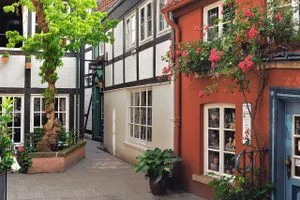
Quaint Charm in Bremen
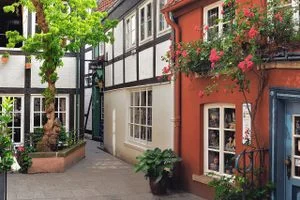
The Schnoor Quarter embodies the fairy-tale essence of Bremen, characterized by its maze of narrow alleys where charmingly crooked houses appear to lean in, inviting visitors to engage. As the oldest area of the city, it transforms a simple stroll into a delightful exploration of vibrant façades, hidden courtyards, artisanal shops, and the perfect spots to indulge in local pastries. This isn't just sightseeing; it’s an immersive journey into the heart of Bremen’s culture.
A Historic Gem
Deriving its name from the Low German word for "string," this neighborhood's quaint homes sit in close proximity, akin to beads on a necklace strung along meandering pathways. Many structures date back to the 15th and 16th centuries, contributing to the quarter's captivating, human-scale atmosphere that feels comfortably distanced from the urban hustle and bustle just moments away. Walking through Schnoor is like stepping back in time. Each building has a story, and many reflect the influences of various architectural styles that have taken root throughout Bremen’s long and intricate history.
More Than Just a Scenic Locale
These days, the Schnoor is not a mere picturesque setting; it's a vibrant hub of independent boutiques, art galleries, cozy cafés, and charming patisseries. There’s a sort of magic in how each business brings its own flavor to the area, creating a patchwork of unique experiences. The shops are not just places to buy items; they are extensions of local creativity and craftsmanship, often showcasing the work of local artisans. The area also surprises visitors with cultural gems such as a local theater and the Bremer Geschichtenhaus museum, adding to its rich tapestry of experiences. If you’re an art enthusiast, you'll find not only traditional exhibits but also modern spaces that push the boundaries of creativity.
Wandering Off the Beaten Path
The most rewarding way to enjoy Schnoor? Forget about planning. Meander at your own pace, investigate each narrow alley that captures your interest, and embrace the delightful detours that come your way. This quarter reminds us that often, the most unforgettable journeys through a city are found in the narrowest of spaces. You might stumble upon a small gallery featuring local artists or a quaint café where locals gather for their afternoon coffee and cake. These elements create a more authentic experience, something that many travelers overlook when they stick strictly to the main tourist attractions.
Understanding Schnoor's Appeal
What makes the Schnoor Quarter stand out in a city like Bremen, which is filled with historical sites and modern conveniences? The answer lies in its blend of history and present-day vibrancy. While other parts of the city may showcase grandeur, Schnoor’s charm is in its authenticity. It’s not marketed as a major tourist destination yet receives ample foot traffic, which maintains its community-oriented atmosphere. The small artisans and shops contribute to a culture of sustainability and local pride. You’ll find that most of the goods for sale here are locally sourced, reinforcing the idea that supporting small businesses can be just as rewarding as visiting large, well-known landmarks.
Implications and Future Outlook
The allure of neighborhoods like Schnoor indicates a broader trend in urban tourism: a preference for offbeat, less commercialized areas. Travelers are increasingly searching for experiences that feel personal and genuine, moving away from typical touristic hotspots. This shift is significant. It could lead to a renaissance in local economies as more visitors opt for exploring quaint quarters instead of sprawling shopping centers and crowded monuments.
As such, if you're working in tourism, hospitality, or urban development, this trend can’t be ignored. Cities could benefit greatly by promoting lesser-known areas, balancing the offerings between traditional attractions and hidden gems like Schnoor. This could foster a new wave of economic growth while maintaining the character that defines these unique locations.
As cities adapt to this demand for authenticity, we may see even more investment in preserving and promoting historical neighborhoods. This isn't just about maintaining charm; it's about ensuring that the cultural and historical significance of places like Schnoor continues to thrive. The challenge will be maintaining that delicate balance between welcoming visitors and preserving local integrity.


Discussion
Sign in to join the discussion.