Discover the remnants of Grand Vista Sanitarium in Richmond, a unique historical site hidden in Wildcat Canyon Regional Park’s scenic landscape.
Unveiling a Hidden History
The Bay Area is renowned for its breathtaking regional parks, yet few know about the remnants of the Grand Vista Sanitarium, quietly nestled in Wildcat Canyon Regional Park. This site, rich in history, once cared for patients suffering from various ailments, leaving behind a poignant testimony of its past. The sanitarium's story reflects not just a bygone era of health care, but also societal attitudes towards mental illness and wellness.
A Glimpse into the Past
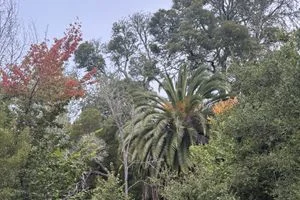
Located in Richmond, Wildcat Canyon Regional Park draws hikers with its scenic views and lush landscape, complemented by grazing cattle and thriving groves of coastal live oaks and eucalyptus. Amidst the natural beauty, scattered palm trees and crumbling foundations hint at the sanitarium's former glory, now a ghost of its history. For many, hiking in these areas is simply a nature escape, but understanding the buried narratives enriches the experience. You’d find echoes of history that challenge the simple perception of nature as just a backdrop.
Origins of Grand Vista Sanitarium
Established in 1914 by Dr. Hendrick Nelsen Belgum, the Grand Vista Sanitarium blended extensive orchards and gardens in a tranquil setting aimed at patient recovery. Dr. Belgum believed in healing through wholesome food, asserting that “an abundance of fresh, wholesome, nourishing foods” was essential for health restoration, as described in the sanitarium's promotional materials. This approach was relatively progressive for its time, reflecting early 20th-century movements toward holistic health. It’s fascinating how healing philosophies were influenced not just by science but also by the cultural zeitgeist that emphasized nature as restorative.
A Community Fixture
The sanitarium boasted its own sources of fresh dairy, poultry, and produce. While some locals referred to it as "the crazy house," many remembered it fondly, appreciating the beauty of its gardens and the serene presence of its patients. This duality in perception—fear versus fondness—speaks volumes about societal mental health views then. The sanitarium wasn’t merely a healthcare facility; it was a community institution that represented both the care and stigma surrounding mental illness.
Decline and Ruins
Dr. Belgum's devotion continued until his sudden death in 1948, after battling a brush fire threatening the facility. Following his passing, his siblings took over, though the absence of Dr. Belgum's guidance led to a decline. The site was ultimately abandoned after the last surviving sibling's death in 1963. Many healthcare facilities face challenges when leadership changes hands, and this case illustrates that vulnerability. In 1977, a tragic act of arson reduced the remnants to ashes, sealing the sanitarium's fate. This decline is emblematic so often seen in healthcare systems that struggle to adapt without strong, visionary leadership.
What's Left Today
Now, the site features only crumbling foundations, a few palm trees, and a historical placard. Visitors can find these remnants along the Bonitas Gate and the aptly named Belgum Trail Loop, each offering a poignant glimpse into the bygone era of the Grand Vista Sanitarium. Those walking the trails may not always ponder the history beneath their feet, but it’s there—carved into the earth and the memories of those who walked there before. If you're working in this space, whether in park management or historical preservation, consider how these stories can inform a more enriching visitor experience. (And this is the part most people overlook).
Implications and Future Outlook
The story of the Grand Vista Sanitarium serves as a microcosm of broader healthcare trends that continue to evolve. The shift from community-based care to more institutional approaches often strips away the nurturing elements found in places like the sanitarium. Discussion around mental health today often reflects a complex interplay between societal acceptance, medical practices, and the integration of holistic views. The rise of new wellness movements suggests a renewed interest in the kind of healing Dr. Belgum championed, blending old and new philosophies. As we turn our sights to preserving these remnants, we must also reflect on what they signify for current and future practices in mental health and patient care.


Discussion
Sign in to join the discussion.