Connell Lake Dam is a historic landmark that hinders fish migration and reflects Alaska's industrial past while offering recreational trails for visitors.
A Troubling Structure
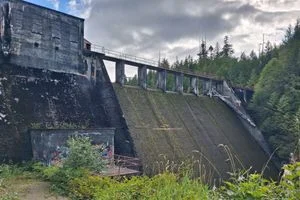
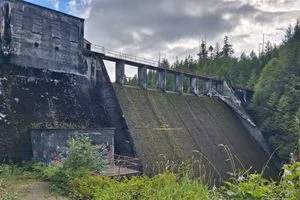
The Connell Lake Dam stands as a striking, weathered monument in Ketchikan, Alaska, known not only for its architectural form but also for its ecological impact. Cracks mar its surface, allowing invasive concerns to permeate the conversation surrounding the structure. Authorities like NOAA Fisheries have flagged it due to its negative effect on aquatic habitats, particularly concerning fish migration along Ward Creek. It’s a stark reminder that the infrastructure we build often comes with environmental trade-offs that may not be immediately visible.
Cinematic Legacy: More Than Just a Dam
This dam also has a cinematic tie, having appeared in the 1954 film noir Cry Vengeance. In a twist of film history, this structure featured a dramatic climax with a staged gunfight atop the dam, showcasing a dummy that fell to simulate a dramatic demise. The film, now part of the digital age's catalog, is available for anyone curious enough to view a piece of cinematic history intertwined with a landmark. This aspect adds an unexpected layer of cultural significance to a dam that primarily evokes thoughts of infrastructure and ecology; art often intertwines with reality in strange yet meaningful ways.
Industrial History and Environmental Concerns
Reflecting on Alaska's industrial history, the dam serves as a reminder of the Tongass National Forest's narrative. It once supplied fresh water through a wooden pipeline, which is now partially in ruins, an example of what happens when humans impose infrastructure upon nature without considering long-term impacts. Those challenges faced by the timber industry in Southeast Alaska were highlighted in a March 1988 article from Sports Illustrated, exploring the ecological ramifications of local practices. The crumbling wooden pipeline doesn't just signify neglect; it symbolizes a broader reckoning with resource management and ecological integrity—issues that remain vital today.
Outdoor Exploration: Trails to Discover
For those visiting, several trails branch out from the parking area beside the dam, inviting exploration of the surrounding landscape. Guests can choose routes along the old pipeline, loops around the lake, or treks up Ward Creek toward Ward Cove. Here's the thing: while these trails provide outdoor recreation opportunities, they also serve as a vehicle for reflection on the impacts of human activity in this intricate environment. Walking the trails offers more than just a leisurely hike; it presents a chance to contemplate the delicate balance between development and conservation.
Implications and Future Outlook
The Connell Lake Dam illustrates the complexities surrounding aging infrastructure in sensitive ecological areas. As concerns mount over its impact on fish migration and aquatic habitats, the conversations surrounding this dam might spark broader dialogues about the necessity of environmental assessments in future projects. If you're working in this space, local and national policies may soon shift to address these pressing issues of sustainability and ecological preservation.
The stress on local wildlife due to structures like the Connell Lake Dam signals a critical turning point for such infrastructure. Increasing attention from environmental organizations alongside public awareness could lead to reconsideration or overhaul of existing dams that inhibit natural processes. This isn’t just about Ketchikan; it's a narrative playing out across numerous regions facing similar challenges with antiquated structures that no longer fit into a modern understanding of ecological stewardship.
Moreover, the tantalizing connections to film and culture could serve as a means to engage a wider audience about the dam's significance. Highlighting the interplay between cultural history and ecological concerns might provide a platform for promoting more responsible approaches to infrastructure—an approach that respects both nature and heritage. When we look at the Connell Lake Dam, we see much more than a structure; it symbolizes our ongoing struggle with environmental ethics in the age of increasing industrialization.

Discussion
Sign in to join the discussion.