The ICC's Deputy Prosecutor affirmed that arrest warrants for Netanyahu will not be withdrawn despite US sanctions and ongoing investigations.
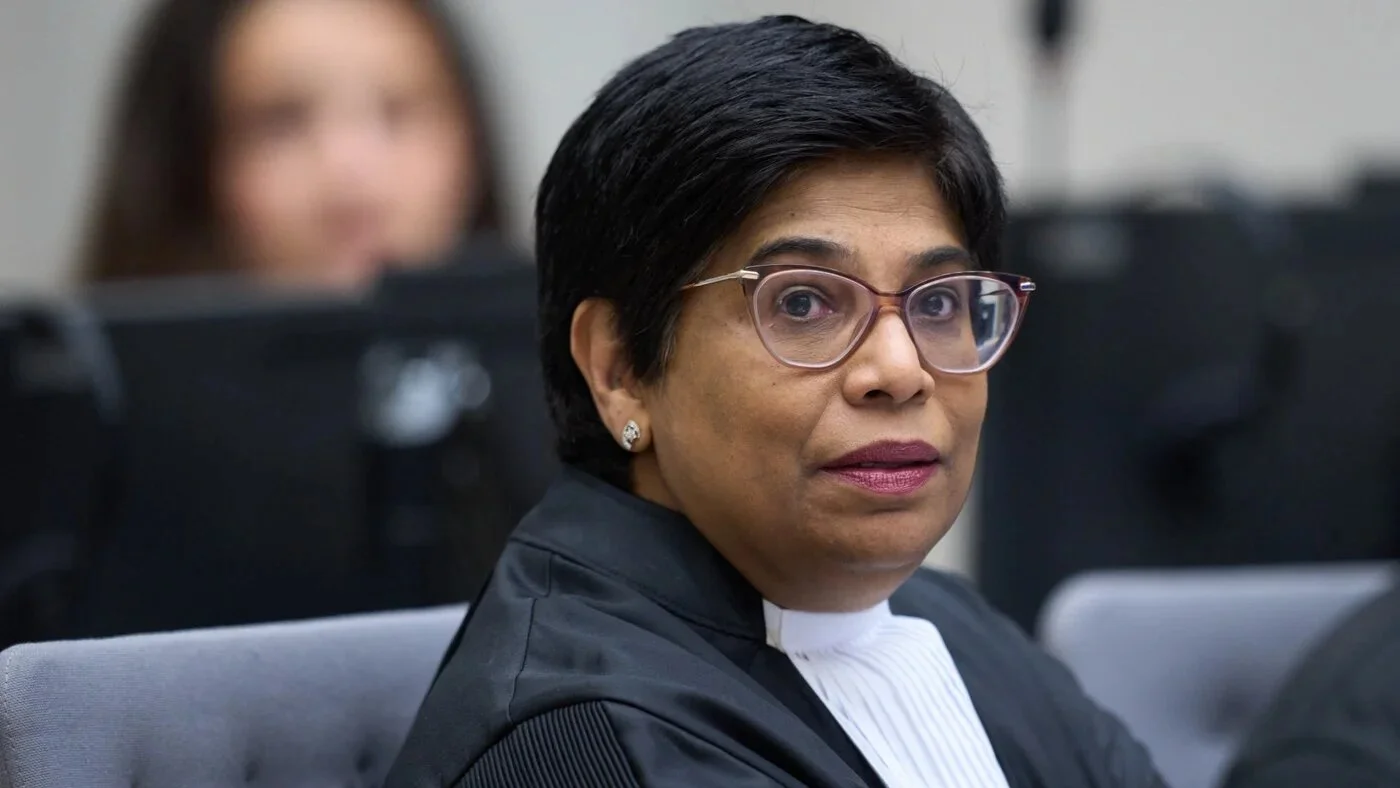
The International Criminal Court (ICC) maintains its stance on the arrest warrants for Israeli officials, with no intention to withdraw them despite increasing pressure from the United States. Deputy Prosecutor Nazhat Shameem Khan made this clear in a recent interview with CNN, emphasizing that the investigation is still advancing.
Arrest Warrants and Their Implications
Khan stated, “We have taken no steps to try and withdraw any of those arrest warrant applications or the arrest warrants themselves, and the team continues to investigate in that situation.” The ICC originally issued arrest warrants in November 2024 for Israeli Prime Minister Benjamin Netanyahu and former Defense Minister Yoav Gallant. The warrants are linked to allegations of war crimes and crimes against humanity in Gaza following the escalation of conflict in October 2023.
The issuance of arrest warrants by the ICC represents a significant international legal action, underlining the court’s commitment to accountability for alleged war crimes. This insistence on maintaining the warrants despite opposition signals a firm stand on jurisdictional authority and the principles of international law. The situation is particularly delicate given the longstanding geopolitical complexities surrounding Israel and Palestine. Since its establishment in 2002, the ICC has faced ongoing scrutiny regarding its perceived biases, and the current situation has reignited discussions about its role and efficacy.
The U.S. Response and International Dynamics
In response to the ICC's actions, the US has enacted sanctions against several members of the court's leadership, impacting not only the former chief prosecutor Karim Khan but also nine judges, including the court's president. This response illustrates the tension between national interests and international justice. The U.S. has historically held a contentious relationship with the ICC, often criticizing its decisions, which it views as potentially prejudicial against allies.
Sanctioning ICC leadership isn’t merely a political maneuver but a dig at the institution’s operational integrity. By undermining the court's officials, the U.S. is signaling that it prioritizes its political alliances over universal standards of justice. This raises questions about the ICC's legitimacy and its ability to function independently when influential countries exert financial and political pressures to influence its proceedings.
Background on the ICC
The International Criminal Court was created as a response to the widespread impunity that often followed grave human rights violations and international crimes. Designed to prosecute individuals for war crimes, crimes against humanity, and genocide, the ICC aims to provide a platform for justice where domestic courts fail to act. However, its reliance on member states for arrests and cooperation can hinder its operations. Many key global players, including the U.S., Russia, and China, are not party to the Rome Statute, which may contribute to the perception that the court's reach is limited.
Past cases have shown that the ICC’s effectiveness can fluctuate depending on the political will of member states. Similar scenarios have unfolded with other nations where the court sought to assert its authority, often resulting in pushback from governments unwilling to accept external scrutiny or potential accountability.
Broader Implications of the Current Situation
The situation with the ICC and Israel bears broader implications for international justice and accountability. It underscores the ongoing struggle between sovereign states and international bodies attempting to enforce a system of justice that transcends borders. If you’re working in this space, understanding the tension between these entities is essential for grasping the delicate balance of power and accountability.
The United States’ sanctions could have far-reaching effects, potentially discouraging other countries from cooperating with the ICC. This might embolden officials from other nations who are alleged to have committed war crimes and can point to U.S. actions as a precedent. It raises a pivotal question: Can international law function effectively if the most powerful nations can circumvent accountability through political pressure?
Looking Forward: Challenges and Resilience
As this scenario unfolds, it’s clear that challenges persist for the ICC. The political fallout from the U.S. sanctions may discourage future prosecutions and investigations against powerful leaders globally. That said, the ICC has signaled its commitment to pursuing investigations, which raises the stakes not just for those directly involved but also for the global legal framework advocating for human rights and justice.
This isn’t just about legal proceedings; it’s an intersection of politics, law, and morality. The ICC’s continued attempt to hold leaders accountable illustrates the court's resilience amidst diplomatic storms. Whether this resilience can withstand the pressures from major world powers remains to be seen. The significance of the ICC maintaining its arrest warrants might seem limited at first glance, but the potential ramifications of this decision could redefine international norms surrounding accountability.


Discussion
Sign in to join the discussion.