Turkey will halt Mahan Air flights starting September 21 due to U.S. sanctions affecting Turkish service providers linked to the airline.
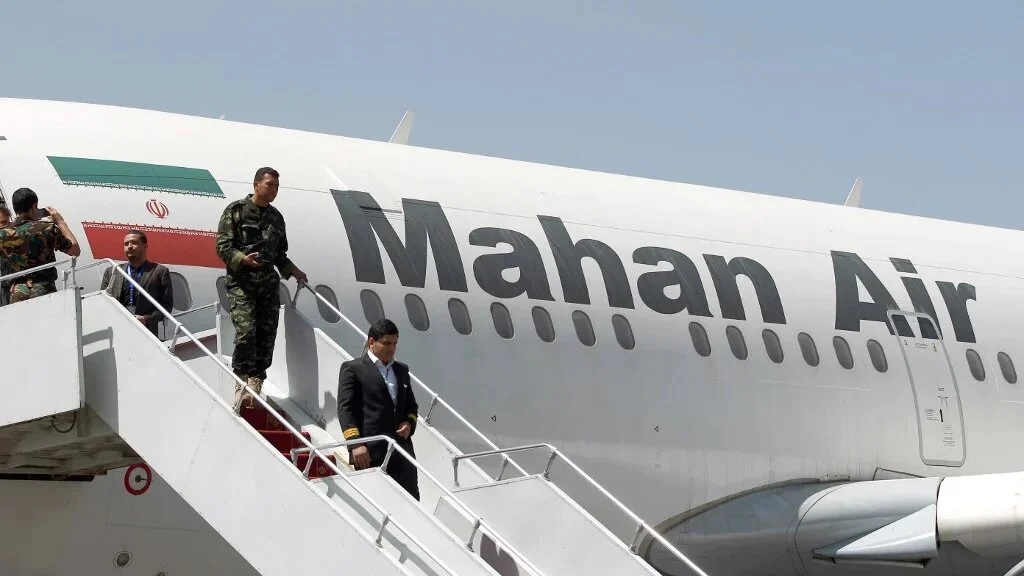
Suspension of Mahan Air Flights
Turkey's recent announcement to suspend all flights by Mahan Air, a privately owned Iranian airline, marks a significant shift in regional aviation dynamics. Effective September 21, this decision stems from U.S. Treasury sanctions aimed at curtailing specific operational capabilities of Mahan Air and its associated service providers in Turkey. This isn't just about one airline; it’s a reflection of the broader geopolitical tensions at play.
Background on the Sanctions
The U.S. Treasury Department's Office of Foreign Assets Control unveiled a sanctions package earlier this month, targeting various aspects of Iranian civil aviation. These sanctions aren’t isolated acts; they are part of a long-standing effort to counter Iran's influence through its airline sector. The sanctions specifically hit several Turkish firms like S Sistem, Mes Cargo, and Sky Phoenix, which have been identified as providing crucial services to Mahan Air. This includes everything from aircraft component supply to general sales support, underscoring how intertwined the Turkish aviation sector is with Iranian operations.
What’s particularly striking here is the level of scrutiny that’s now applied to international aviation companies involved with Iran. Similar systems typically react strongly to any perceived threats of aiding Iranian entities, especially when it comes to military applications or technologies that could have dual-use capabilities. Hence, these sanctions serve not only as economic pressure but also as a warning shot to other nations about the risks of engaging with Iranian companies.
Broader Implications for Turkish Entities
The implications for Turkish companies are significant and could be far-reaching. Turkish officials voiced concerns that the sanctions create substantial risks for numerous service providers interacting with Mahan Air. One official highlighted that "the risk now extends to every Turkish entity providing services to Mahan Air, from airport operations and ground handling to ticketing and banking." This suggests potential disruptions in operations and raises questions about business continuity. It isn’t just about Mahan Air; if you're working in this space, your operations might be under threat as well.
The caution expressed by Turkish officials indicates a growing awareness that working with entities tied to Iran carries consequences. Increased scrutiny from U.S. authorities could result in audits, sanctions, and even more punitive measures. This sets a precarious stage for other Turkish businesses that might consider partnerships with Iranian firms in the future.
Future of Iranian Airlines in Turkey
Despite the targeted approach towards Mahan Air, this doesn’t mean a total blockade on all Iranian carriers. Some Turkish officials have clarified that this suspension is specific and does not represent an outright ban on Iranian aviation. However, the situation remains fluid, with Ankara planning ongoing evaluations concerning additional flights and its relationships with other Iranian airlines. This is particularly relevant given Turkey's bilateral aviation agreement with Tehran and its ongoing safety assessments for international flights.
There's an undercurrent of uncertainty in how Turkish officials will navigate this diplomatic tightrope. The aviation sector often reflects broader international relations, and the pressure from U.S. sanctions is likely to influence Turkish Airlines and other companies’ decisions regarding whether to engage with Iranian counterparts. The question remains: how will this evolving situation affect not just Mahan Air, but other carriers looking to operate in or out of Turkey?
Impact on Flight Operations
Mahan Air has been a significant player in the travel sector, providing numerous daily flights between Istanbul and Tehran. However, with the impending suspension of flights to and from Turkey—and the additional suspension of routes to Oman and Georgia—the airline's operational capabilities are set to diminish sharply. This development alters the travel dynamics not only between Turkey and Iran but could reverberate across the region.
The cessation of operations will likely inconvenience many travelers who rely on these routes for business and personal travel, impacting economic activity. With both countries keen on maintaining tourism and business ties, the immediate fallout could motivate Turkish Airlines or other carriers to step in and fill the void left by Mahan Air. However, that’ll depend on how these carriers assess the risk of engaging with Iranian aviation under the current sanctions regime.
The situation remains unpredictable, with Turkish authorities continuously assessing the environment for potential additional sanctions that could extend to other carriers in the region. In aviation, timing and agility often dictate success—this uncertainty could lead to a more cautious approach in establishing new routes.
Future Outlook and Strategic Implications
This saga offers more than just a snapshot of airline operations; it reflects the delicate interplay between international commerce and geopolitical considerations. As relations shift between Iran and the West, particularly regarding sanctions, it’s probable that more Turkish companies will second-guess their involvement with Iranian carriers. This turns the focus to regional alliances: how will nations like Turkey balance their economic goals with the incessant pressure from the U.S.?
What this means for you, if you’re involved in aviation or related sectors, is a need to stay alert to geopolitical developments. Expect potential shifts in operational patterns as airlines reassess their engagement strategies amid a climate of sanctions and scrutiny. The dynamic could foster an environment where new partnerships will need to be carefully navigated to avoid the pitfalls of working with sanctioned entities. This isn’t just about one flight; it’s about the fundamental structures of international travel and trade. After all, what happens in the skies can ripple down to the ground, affecting many lives and businesses.


Discussion
Sign in to join the discussion.