Novo Nordisk rebrands as "Novo" to enhance focus and respond to growing competition in the diabetes and obesity drug markets.
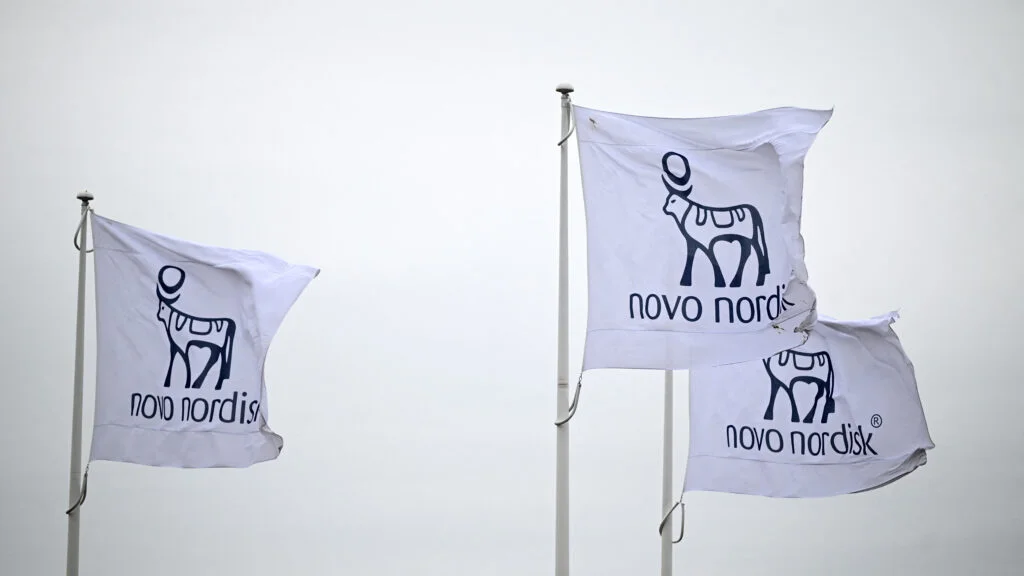
The Danish pharmaceutical company Novo Nordisk is now simply "Novo," signaling a shift in branding amid competitive pressures in the diabetes and obesity sectors.
Background on Novo Nordisk
Novo Nordisk has long been a prominent player in the pharmaceutical industry, particularly known for its extensive work in diabetes care and management. Founded over 90 years ago, the company built its reputation on the back of insulin products and has since expanded its portfolio to include novel therapies like GLP-1 receptor agonists, which have gained traction for their effectiveness in treating not just diabetes but also obesity.
This focus on diabetes and obesity aligns with significant global health trends. The World Health Organization has flagged both conditions as critical issues, with diabetes rates soaring in many parts of the world. This backdrop makes the company’s commitment to improving patient outcomes all the more relevant. However, recent developments indicate that maintaining market dominance is proving increasingly challenging.
The Importance of Rebranding
The rebranding initiative that has led Novo Nordisk to adopt the simpler name "Novo" can be interpreted as a strategic maneuver to invigorate the company's image amidst intensifying competition. The tagline “Lasting Health Starts Now” resonates with consumers and healthcare professionals alike, suggesting a proactive approach toward health management. But what does this really signify?
In industries such as pharmaceuticals, branding serves not just as a symbol but as a strategic tool that can either enhance credibility or, conversely, signal an identity crisis. As competitors like Eli Lilly enter the ring with aggressive marketing and innovative products, it appears Novo is making a clear statement that it won't be outpaced. This tactic isn't unique; companies in various sectors have rebranded when facing market pressures, attempting to align more closely with consumer needs and expectations.
Competitive Pressures in the Market
The competitive landscape in diabetes and obesity treatments is heating up. Novo Nordisk, once an undisputed leader, has seen Eli Lilly emerge with formidable new offerings that have captured significant market share. The increasing popularity of GLP-1 medications as treatments for obesity is a key arena of this competition. Eli Lilly’sannouncement of its own obesity treatment, featuring lower side effects and potentially better results, has put pressure on Novo's established products.
This intensifying rivalry likely necessitated a branding overhaul. It’s a bid to not only rejuvenate investor confidence but also to present a united front against encroaching competitors. Market watchers know that perception can often shift faster than reality. Consumer habits evolve, and if Novo doesn't capture the audience's attention through a compelling brand ethos, it risks becoming overlooked amidst a volley of marketing efforts from competitors.
Financial Implications and Investor Sentiment
Investor sentiment plays a critical role in shaping the fortunes of publicly traded companies, and Novo's recent struggles are telling. The reported drop in share value—nearly 20%—is alarming and speaks volumes about underlying market concerns. A significant contributor to this decline appears to be investor uncertainty surrounding Novo's capacity to fend off rivals and deliver growth in an increasingly competitive environment.
Ultimately, a company's stock price reflects much more than numbers; it’s a composite of trust, outlook, and market dynamics. When a once high-flying company like Novo, previously celebrated as Europe's “top company,” faces sharp declines, it prompts investors to reassess the overall viability and future potential of the business. This sentiment can create a self-perpetuating cycle—further decline in investor confidence can lead to poorer financial performance, which in turn leads to greater concern and reduced share value.
Strategic Significance of the Change
The branding shift and the new tagline imply more than just an aesthetic update. This is about recalibration—adapting to a marketplace where new entrants are nipping at your heels. The phrase “Lasting Health Starts Now” conveys urgency; it makes a promise that reflects not only a commitment to innovation but also an acknowledgment that current solutions must improve to meet rising expectations.
By focusing on agility and impactful initiatives, Novo is sending a message that it’s not just another legacy player but a company willing to evolve. This is vital in an industry where the pace of change can be staggering, from groundbreaking research to shifts in regulatory landscapes and patient preferences. However, the effectiveness of this rebranding will ultimately depend on whether Novo can back its words with demonstrable innovation and results.
Future Outlook and Key Challenges
If you're working in this space, you know the pharmaceutical industry is nothing if not unpredictable. Novo's move to rebrand is designed to solidify its place, but challenges loom large on the horizon. Regulatory pressures, pricing debates, and the specter of competition will not simply fade away pro forma. Instead, those issues will require continuous management and strategic foresight.
This is a particularly sensitive market where people’s lives are at stake, and patient outcomes matter. Just focusing on profit margins won’t suffice; the company must reestablish what its brand stands for in a way that genuinely resonates with users and healthcare providers. That’s easier said than done. While the new branding might initially create buzz, its long-term efficacy will hinge on the company’s ability to execute its vision and maintain competitive advantages.
(and this is the part most people overlook) As circumstances evolve amid economic pressures and patient expectations, the quickest route to success might not be directly correlated with a rebranding effort. It’s about results, plain and simple. Novo must invest heavily in research and development to justify its repositioning. Otherwise, this rebranding could be little more than a mere cosmetic change.
The evolution of Novo into simply "Novo" points to a larger narrative within the pharmaceutical industry: one that balances innovation with effective communication. Whether this transformation yields sustainable growth remains an open question, but one thing is certain: the stakes have never been higher.


Discussion
Sign in to join the discussion.