A recent measles-related death in Pennsylvania highlights the seriousness of the outbreak, which has resulted in multiple fatalities this year.
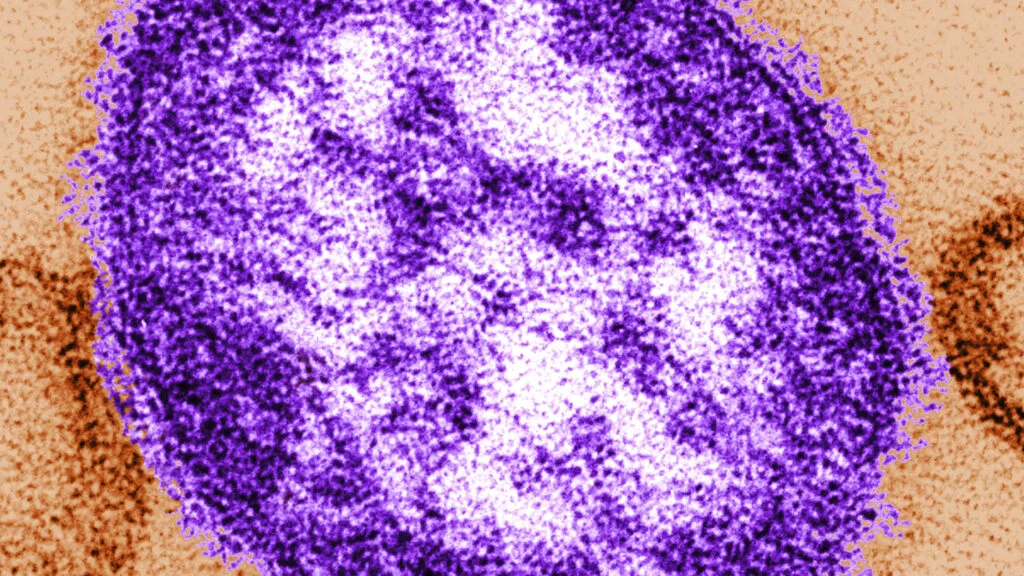
A third measles-related death has been reported in Pennsylvania this year, underscoring the urgency of the ongoing outbreak. A 40-year-old woman from Jefferson County passed away from complications on Saturday, according to a statement by Coroner Greg Furlong.
The Grim Reality of Measles
Measles is often mistaken as just a childhood disease, but its implications can be fatal, particularly for those who are unvaccinated. The recent death, described as “measles-related” by Coroner Furlong, raises more questions than answers, especially since details regarding the woman's vaccination status were not disclosed. This gap in information is significant; it adds a layer of uncertainty to an already troubling outbreak. Furlong expressed condolences, calling the death “a heartbreaking loss for the family,” highlighting the emotional toll that such health crises can inflict beyond the immediate medical consequences.
A Pattern of Vulnerability
This incident follows two previous fatalities in August involving infants. Both were particularly vulnerable to the virus, demonstrating a tragic intersection of measles with existing health conditions. One infant succumbed shortly after birth due to a ruptured spleen, a condition confirmed by the Lancaster County Coroner to be serious but indirectly related to measles. The second infant, a six-week-old girl born with Amish lethal microcephaly, suffered from a genetic condition that drastically compromised her immune defense against infections like measles. This raises an important point: while measles itself is potentially life-threatening, the underlying health vulnerabilities in patients can significantly amplify its risks.
In Pennsylvania, vaccination against measles typically begins at around one year of age. Given this timeline, it comes as no surprise that neither infant had received the vaccine, illustrating a glaring gap in preventive healthcare that needs urgent addressing. A straightforward question arises: how can familial and community health education improve vaccination rates in at-risk populations?
The Scope of the Outbreak
As of recent reports, Pennsylvania has witnessed an alarming 676 cases of measles across 37 counties. This figure is far from insignificant, highlighting a public health crisis that demands immediate attention. Of those cases, about 124 required hospitalization, which indicates not only the severity of the outbreak but also underscores that measles can affect even vaccinated individuals—albeit less severely. The data provided by the Pennsylvania Department of Health paints a dire picture that could have widespread implications for healthcare systems already stretched thin.
But here's the thing: there's a discrepancy when it comes to the reported deaths related to this outbreak. While Pennsylvania officials report three measles-related fatalities, the U.S. Centers for Disease Control and Prevention (CDC) shows no corresponding records. This raises essential questions about data coordination between state and federal health agencies. Accurate data collection is vital for addressing public health crises effectively, as inconsistent reporting could lead to misunderstandings of the outbreak's severity and hinder appropriate responses.
The Political Response
Pennsylvania's Governor Josh Shapiro has underscored the need for careful review of the current situation. His call for scrutiny reflects a growing concern about public health governance, especially when conflicting narratives arise between state officials and CDC data. This could point to broader systemic issues that might hinder a cohesive response to health crises. Addressing these discrepancies quickly will be critical for public trust and effective health management.
The Importance of Vaccination and Public Awareness
As the state grapples with this outbreak, health officials are emphasizing the importance of vaccination and public health awareness to mitigate the spread of measles, which is known for its high transmissibility. While measles may often be categorized simply as a childhood illness, the recent fatalities challenge this narrative. They serve as stark reminders of measles' potential severity and the vital role that immunization plays in protecting not just individuals, but communities at large.
What this means for you, whether you're a parent, educator, or healthcare professional, is that vigilance is necessary. The push for vaccination isn't just about protecting against an illness; it's about systemic health and community safety. Integrating effective educational campaigns about the risks associated with measles, especially in communities with lower vaccination rates, could play a key role in combatting this outbreak.
Looking Ahead: What’s Next?
As health officials navigate the complexities of this outbreak, the issues at hand are likely to spark renewed discussions about public health policy, vaccination campaigns, and educational outreach. The discrepancies between state and federal data indicate a pressing need to streamline communication and reporting mechanisms among health agencies. To prevent future outbreaks, it will be critical to address these systemic weaknesses.
Moreover, as debates around vaccine hesitancy continue to shape public opinion, there may be a shift in how health education is approached. It’s essential that communities understand the risks associated with measles and the importance of vaccines, particularly in vulnerable populations. The future of public health effectiveness depends on proactive measures and clearer communication.
And this is the part most people overlook: transforming health data into actionable information can be a game changer for public health strategy. Better data coordination not only aids immediate response efforts but also prepares us for similar challenges in the future.


Discussion
Sign in to join the discussion.