Italy says five women were detained near Hebron while supporting Palestinian farmers during the olive harvest and is calling for their immediate release.
Italy seeks release of detained activists
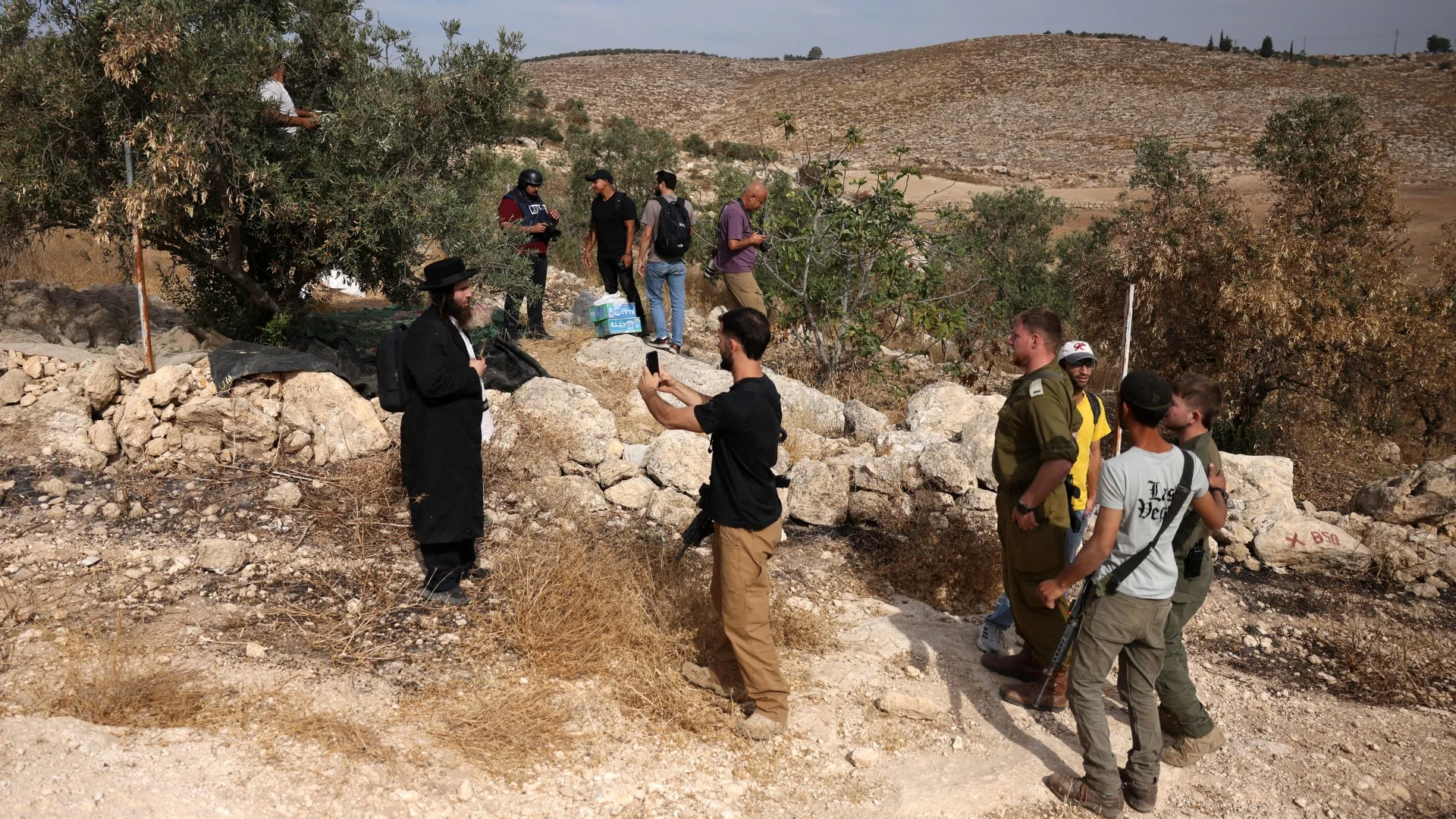
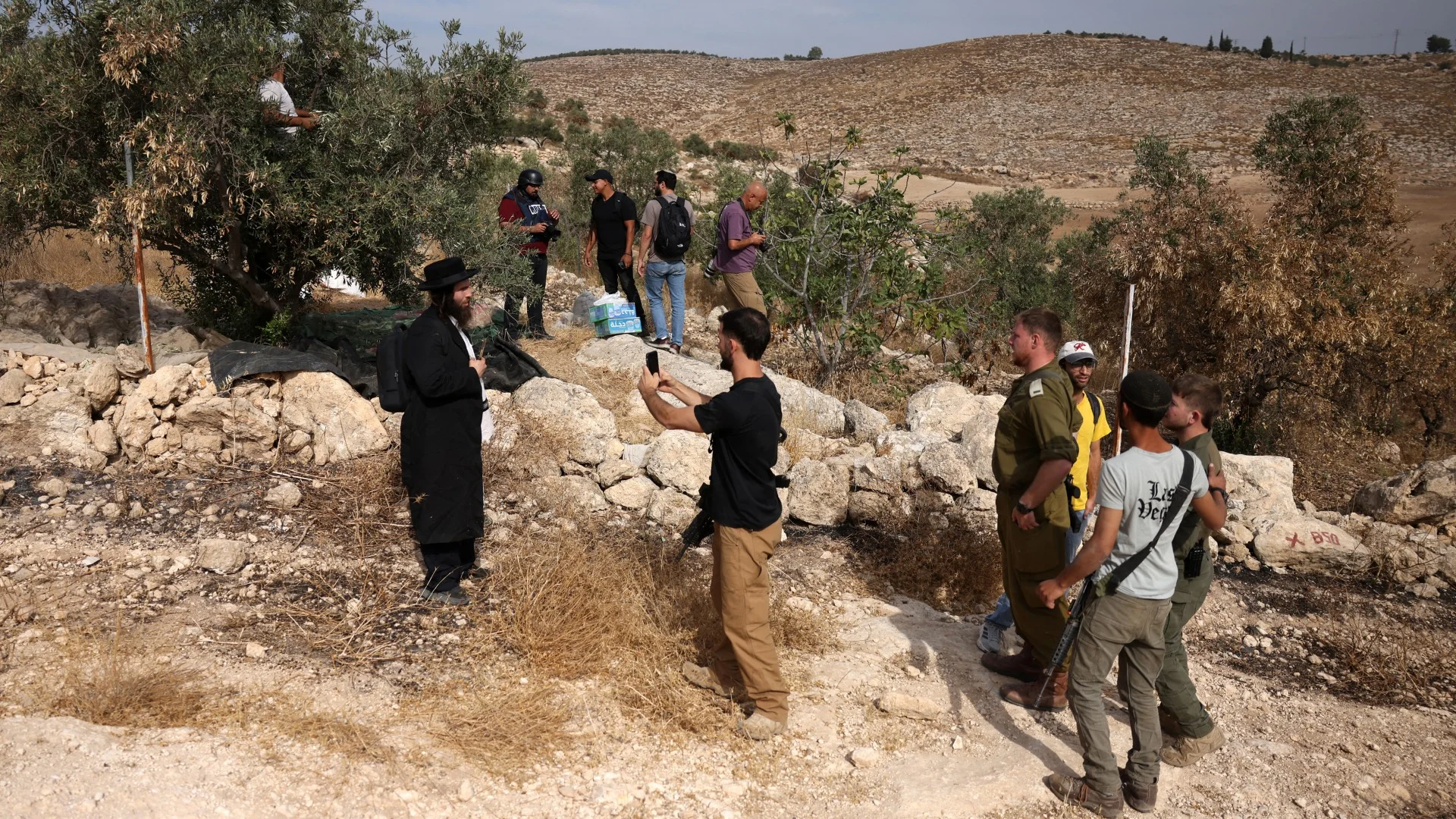
Italy is pressing for the release of five women detained near Hebron while they were supporting Palestinian farmers during the olive harvest. Foreign Minister Antonio Tajani said Friday that Israeli forces were holding the activists in the occupied West Bank. His intervention puts the case on a diplomatic track, though the immediate question is whether the women will be released as he hoped.
Italian foreign ministry sources said Israeli police detained the women on Thursday in the Kiryat Arba settlement, along with other international activists. The group had gone to protect farmers from settler attacks. The account available so far leaves key details unstated, including the precise circumstances of the detentions and whether authorities have given a reason for holding the women.
“What happened is unacceptable, they were not committing any crime,” Tajani told reporters on the sidelines of an international summit in Istanbul. He said he hoped the women would be released within hours. That expectation sets a short timetable, but it doesn't establish that Israeli authorities had agreed to release them.
Why the olive harvest draws outside support
The olive harvest is a seasonal agricultural task, but in the West Bank it can also become a point of friction over access to land and safety. Farmers working in exposed areas may face pressure or attacks, according to the stated reason the activists gave for being there. International volunteers sometimes accompany local communities in such settings, seeking to provide a visible presence and support people carrying out ordinary work.
That role can be difficult to define in practice. A person accompanying farmers may see the work as protection or observation; authorities may assess the same presence through questions of location, access, or public order. The source doesn't say what explanation Israeli police offered in this case, so it isn't possible to judge the stated grounds for detention or the conduct of each person involved.
The distinction matters. The fact that activists say they went to protect farmers doesn't, by itself, settle every question about what happened at the site. At the same time, detaining people who are present alongside farmers can raise concerns about whether communities can carry out routine agricultural work without intimidation. The available account points to that tension, but doesn't provide enough detail to resolve it.
A diplomatic intervention with limited public detail
Tajani's comments show Italy publicly challenging the detentions and seeking a quick release. That is a concrete diplomatic step, even if a public statement alone can't establish what contact has taken place between officials behind the scenes. The foreign ministry sources' account and the minister's remarks provide Italy's position; the article doesn't include a response from Israeli authorities.
That gap leaves readers with an incomplete picture. There is no information here about whether the women were questioned, where they were being held, whether they had access to assistance, or whether charges were contemplated. Those details would help clarify the seriousness and legal status of the detentions. Without them, the strongest supported conclusion is narrower: Italy says five women were detained during an effort to support farmers, and Tajani wants them released.
His hope that the women would be freed within hours also makes the timing central to the story. A short detention followed by release would be different in practical terms from a prolonged hold, but the statement doesn't tell us which outcome followed. The source reports no later update. For now, the case is a diplomatic demand awaiting an answer.
What the episode may signal
This is more significant than it looks because the dispute concerns who can be present when farmers work, and under what conditions. If international activists are detained while accompanying them, the consequences can extend beyond the individuals held: other volunteers may reconsider whether to attend, and farmers may lose a form of outside support. That's a possible effect of this kind of incident, not a confirmed outcome in this case.
And yet, the presence of foreign activists doesn't by itself guarantee protection, nor does it remove the need for clear information about any detention. The central issue is whether people were held without a valid reason and whether farmers could work safely. The source offers Tajani's view that the women had committed no crime, but it doesn't provide an independent account of the events or the Israeli authorities' position.
If you're working in this space, the details to watch are straightforward: whether the five women are released, whether authorities explain why they were detained, and whether the account of the incident changes as more information becomes available. (And this is the part most people overlook.) A quick release would answer the immediate question of custody, but it wouldn't necessarily explain what happened at the harvest site or address the wider concern about farmers' access and safety.
For now, the public record is brief. Italy has made its demand, Tajani has described the detention as unacceptable, and the stated hope is that the women will be released within hours. The missing response from Israeli authorities and the lack of follow-up leave the outcome uncertain. A narrow incident, with wider consequences for the people trying to harvest.


Discussion
Sign in to join the discussion.