Explore unique noodle destinations worldwide, where rich flavors and culinary traditions create unforgettable dining experiences.
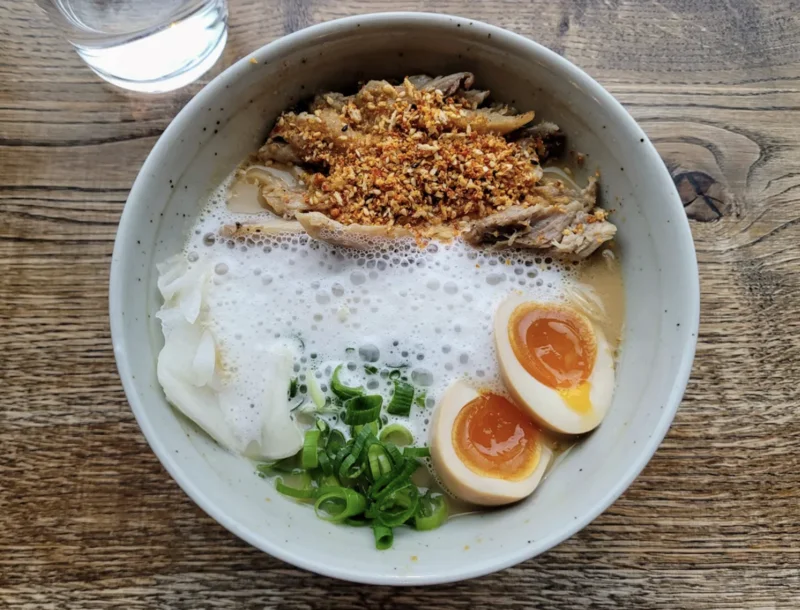
Noodles, a beloved culinary staple across the globe, have a rich history that dates back to ancient China during the Eastern Han period (25–220 CE). They became integral to Chinese culture with wheat-based varieties rising in prominence during the Han dynasty. As centuries progressed, noodles found their way to Europe, significantly influencing Italian and German cuisines by the Middle Ages and early 18th century. The term “noodle” itself originated from the German word “nudel,” with the English borrowing it in the 1700s.
Regardless of their origins or variations, noodles bring people together. Take a deep dive into some of the world's most remarkable noodle destinations, where the confluence of traditional flavors and modern techniques offers unforgettable dining experiences. From the cherished streets of Vietnam to the innovative dining concepts in Norway, these eateries not only showcase noodles but also represent cultural stories, cooking techniques, and lingering histories.
The Origins of Noodles
Noodles have traveled far and wide. Their migration from China to other parts of the world is not merely a culinary evolution but also a historical narrative of trade, exploration, and cultural exchange. The adaptability of noodles speaks volumes about their appeal; these simple strands of dough can fit seamlessly into diverse culinary traditions. Different regions manipulate the base ingredients, cooking methods, and accompanying flavors to create unique variations. Rice, wheat, buckwheat, and even bean flour have evolved into noodle forms, each carrying a distinct local flavor.
This historical richness underscores why noodles resonate across different cultures. They symbolize comfort, family, and togetherness. Feasts and gatherings often center around a large pot of noodle soup or a plate of spaghetti, illustrating the societal role of food in communication and community.
Hrimnir Ramen: A Nordic Twist on Ramen 📍 Oslo, Norway
In the heart of Oslo lies Hrimnir Ramen, a restaurant that uniquely marries Norwegian ingredients with classic Japanese ramen. Founded in 2019 by David Quist, a Norwegian-American microbiologist, the eatery highlights local and seasonal elements from fjords and mountains. The handmade noodles, crafted from emmer wheat or tokornkveite, showcase a distinct nutty taste, while fermented ingredients like pickled plums and preserved lemons adorn the vibrant space. This is culinary innovation at work where traditional Japanese dishes are reinterpreted through a Nordic lens.
The inclusion of locally sourced ingredients isn't just a trend; it's part of a broader movement that values sustainability and regionality in food production. Restaurants like Hrimnir Ramen may well be pointing towards the future of dining—one that respects tradition while looking to the environmental realities of modern sourcing. You'll find that diners are increasingly drawn towards places which offer a unique twist, and Hrimnir caters perfectly to this want.
Phở Hàng Trống: Hanoi's Culinary Heritage 📍 Hanoi, Vietnam
Venture into the living room of Ms. Minh at Phở Hàng Trống for an authentic taste of Hanoi's famed phở. Having served delectable bowls of this noodle soup for decades, she transitioned indoors in 2017 amid a city crackdown on street vendors. Her northern-style phở, characterized by a light broth, is garnished with homemade chili sauce and pickled garlic, accompanied by the option to dip traditional youtiao doughnuts into the steaming broth. This spot reflects the endurance of culinary traditions even as urban landscapes change.
For many visitors, trying phở is less about the food and more about the experience. It’s an exploration of flavors, aromas, and textures that evoke nostalgia, often linked to familial gatherings. What might seem like just soup tells tales of history and personal stories, making every bowl a slice of life in Vietnam.
Inari Soba Mansei: A Tale of Tradition 📍 Tokyo, Japan
Step into Inari Soba Mansei, a soba shop with origins dating back to the 1600s. This eatery, steeped in legend, honors Takuzousu, a Buddhist monk and kitsune (shapeshifting fox spirit), who is said to have transformed coins into leaves after their magic faded. The interior features a bronze bell from the original shrine, and the menu delights with aburaage—fried tofu believed to be favored by fox spirits. The setting alone offers a glimpse into a bygone era, illustrating how food can serve as a repository of history.
Not only does Inari Soba Mansei emphasize traditional recipes, but the very act of dining there becomes a ritual steeped in culture and spirituality. This is more significant than it looks; restaurants that maintain character and authenticity often foster community connections. Eating here means partaking in something greater than a meal; it’s engaging with centuries of shared lore.
Pekin Noodle Parlor: A Slice of History 📍 Butte, Montana
Opened in 1911, Pekin Noodle Parlor stands as the oldest continuously operating Chinese restaurant in the U.S. Nestled in what was once a bustling Chinatown, it reflects a bygone era with its neon sign and cozy booths. Known for signature dishes like chop suey, chow mein, and chicken noodle soup, the parlor maintains an old-world charm that draws diners back through generations. There’s an irreplaceable comfort in dining here, reminiscent of past culinary scenes that shaped American tastes.
The experience extends beyond the menu. It's about nostalgia, community, and the intermingling of cultures—each forkful of noodles carries history. Diners return not just for the food, but for the memories it evokes, making this a true culinary landmark.
Mie Lethek Garuda: Unearthing a Local Tradition 📍 Srandakan, Indonesia
In Srandakan, Mie Lethek Garuda is renowned for its unique noodle called mie lethek, or “ugly noodles.” At this factory, cows grind dried cassava and sweet potatoes into flour, a process cherished by owner Yasir Feri, a descendant of the original creators. The noodles have a distinctive chewy texture and sweet flavor, each batch made by hand and dried naturally under the sun, celebrating the tradition since the 1940s.
This handcrafted approach reveals much about the socio-economic conditions surrounding food production in Indonesia. There's a pride in the imperfection of these "ugly" noodles, challenging notions of beauty in culinary presentation—a reminder that flavor and tradition often outweigh aesthetic. If you’re working in this space, you might consider the implications of how authenticity and regional craftsmanship influence culinary trends.
Pure Love Diner Bar: Taipei's Nostalgic Escape 📍 Taipei, Taiwan
Step into the vibrant ambiance of Pure Love Diner Bar, a whimsical ’80s-themed diner that pays homage to Taipei’s karaoke culture. With antique décor and playful lighting, the menu offers beloved Taiwanese dishes like braised pork over rice, fried chicken, and deep-fried noodles in satay sauce, making it a delightful spot to relish classic flavors. The nostalgia here is palpable, resonating with patrons who find comfort in familiar dishes paired with a sense of fun.
This atmosphere speaks volumes. Restaurants tapping into nostalgia often create deeply emotional connections with customers. It goes beyond food; it’s about reliving moments and memories. This kind of branding—where food, culture, and memory intersect—can often make a difference in today’s competitive dining economy.
Fideus de Vermar: A Festive Flavor Affair 📍 Binissalem, Spain
Each year, the town of Binissalem hosts the Festa des Vermar, bringing together locals for a communal feast featuring fideus de vermar. This dish consists of short noodles, slow-cooked meat, and aromatic spices all combined in massive cauldrons to feed the entire community. It embodies the region's rich wine heritage, transforming the central plaza into a lively culinary gathering. Communal feasting is not just about the food but the shared experience, reinforcing social ties within the community.
Such festivities highlight how food can unite people—how communal meals forge connections, reflecting cultural values around hospitality and generosity. This event draws not just locals but tourists seeking authentic experiences, showcasing how culinary traditions can flourish through community involvement.
Bamonte’s: Brooklyn's Culinary Legacy 📍 Brooklyn, New York
With roots tracing back to 1900, Bamonte’s is Brooklyn's oldest Italian restaurant. Once frequented by notable figures including a few infamous mobsters, the restaurant now serves affordable classics that keep patrons returning, such as rigatoni alla vodka and linguine with red clam sauce. The framed photos of its legendary guests adorn the walls, celebrating its colorful history. Dining here isn't just a meal; it’s a trip down memory lane.
In this instance, food and history meld beautifully. Each dish served carries with it echoes of the past—a living testament to Brooklyn's diverse culinary evolution. While chefs may come and go, establishments like Bamonte’s thrive on the stories they tell and the continuity of tradition, standing firm amidst an ever-changing dining environment.
Khanom Jeen Pa Mai: A Customizable Delight 📍 Phuket Town, Thailand
At Khanom Jeen Pa Mai, a small eatery in Phuket Town, diners create their own dishes around the delicate thin rice noodles known as khanom jeen. The customizable experience features a wide array of toppings, including crispy fish, pickled greens, and fresh pineapple, allowing for a tailored culinary experience that showcases Thai flavors. The individual customization of each dish invites diners to engage with their food and enhances their dining experience.
Today’s food scene increasingly celebrates personalization. Many consumers value their ability to customize their meals as a way of expressing themselves, making places like Khanom Jeen Pa Mai desirable destinations. The interaction between diners and chefs—enabling guests to select ingredients—adds a personal touch that can transform a meal into a memorable experience.
Hawker Chan: Affordable Michelin Excellence 📍 Singapore
In Singapore, Hawker Chan offers a remarkable dining experience that combines Michelin-star quality with affordability. Originally a humble food stall, chef Chan Hon Meng's signature soya sauce chicken served over char siew noodles gained fame, earning him a Michelin star in 2016. Now, the restaurant continues to attract long queues, serving delicious, flavorful dishes at remarkable prices. This juxtaposition of high culinary status and accessible dining reflects evolving attitudes towards street food.
The phenomenon of street food culture elevating to gourmet standards is increasingly common in major cities. It challenges preconceived notions around prestige in dining—prompting diners to consider quality independent of environment or price point. Hawker Chan’s success greatly showcases this shift towards inclusivity in culinary experiences, inviting anyone to savor excellence without a hefty price tag.
Lin Heung Tea House: Hong Kong's Timeless Tradition 📍 Hong Kong
Since the late 19th century, Lin Heung Tea House has retained its authentic dim sum experience, with waitstaff wheeling trolleys of delectable dishes including rice noodle rolls and dumplings. This historic venue captures the essence of communal dining, where patrons can share tables and stories while savoring the traditional flavors of Hong Kong. The concept of dim sum isn’t just eating; it’s a ritualized experience that harks back to the city’s colonial past.
There's an energy in this space; the communal experience at Lin Heung epitomizes the cultural fabric of Hong Kong dining. As food becomes increasingly commodified, places like this remind us of the value in tradition and shared spaces. Eating here feels more like a family gathering than a simple meal, enriching the dining experience through connection.
Matsuka Seimen Noodle Factory: A Unique Dining Experience 📍 Kurashiki, Japan
The Matsuka Seimen Noodle Factory in Kurashiki is more than just a production facility; it’s a dining destination during select hours. Visitors can enjoy freshly-made udon noodles tossed with basic yet crucial toppings. Their signature kamatama, where hot udon meets a raw egg, is a must-try, showcasing the family’s unusual technique of kneading dough by foot for an authentic flavor. This blend of production and dining experience creates an intimate relationship between food, tradition, and the diners who partake.
Connecting with diners through unique preparation methods might serve as a blueprint for others in the industry. This interaction fosters appreciation not just for the dish but for the craft that it entails. Such fusion of process and enjoyment isn’t merely a meal; it’s a celebration of techniques that preserve culinary legacies.
Bún Riêu Gánh: Southern Spice Sensations 📍 Ho Chi Minh City, Vietnam
Experience bustling street dining at Bún Riêu Gánh, where Mrs. Mai Thi Lien serves bún riêu—a vibrant noodle soup made with rice vermicelli and a mix of seafood or pork. This dish is distinguished by its rich tamarind fish sauce, offering a unique southern flair that captures the essence of Vietnamese culinary traditions. Dining here is as much about the ambiance as it is about the food; the hustle and bustle of the street creates an electric atmosphere.
Street vendors often embody the spirit of a locale, providing insight into local preferences and traditions. The immediacy of serving food in such an environment encapsulates the vibrancy of Ho Chi Minh City. What this means for you, as a diner, is a chance to embrace authenticity—each meal tells a story, and each bite reflects the local culture.
Whether you're exploring traditional techniques or indulging in modern interpretations, each of these noodle spots offers a delicious narrative that reflects their cultural heritage. The significance here extends beyond just taste; it’s about identity, community, and the timeless nature of food as a bridge between diverse cultures. The world of noodles is more than a mere category of cuisine—it's a tapestry woven with history, passion, and endless stories waiting to be savored.


Discussion
Sign in to join the discussion.