Turkey's foreign minister clarifies that any military deployments to Saudi Arabia will be strictly defensive, not offensive toward Yemen.
Turkey's Stance on Military Cooperation with Saudi Arabia
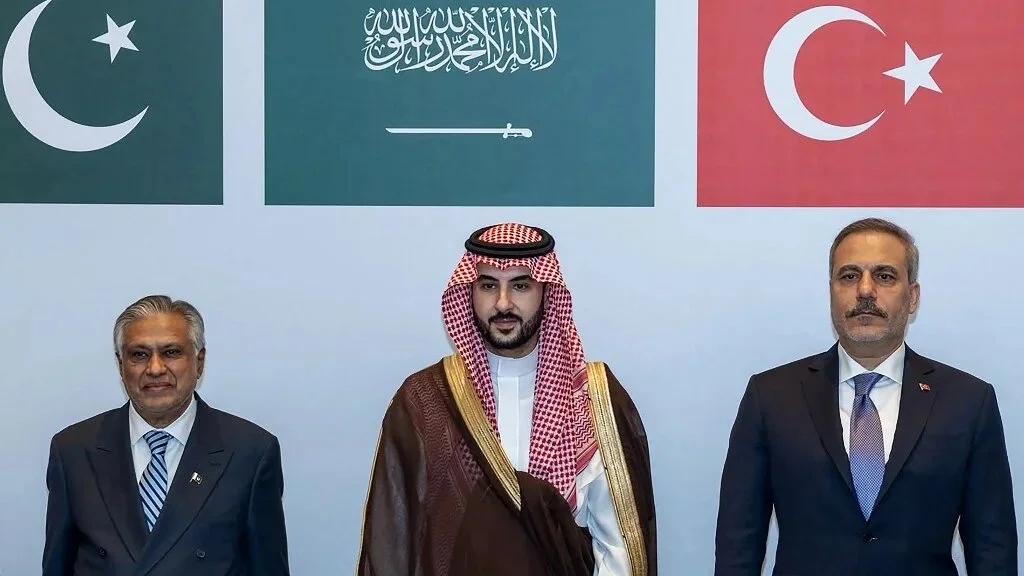
Amid rising tensions in the region, Turkey clarified its position regarding military action in Yemen. During a recent press conference, Foreign Minister Hakan Fidan asserted that Turkey would not send troops to Saudi Arabia to launch attacks on Yemen. The focus, he emphasized, is on defense rather than offense. This declaration isn't merely a diplomatic talking point; it reflects Turkey’s careful navigation of regional complexities where military engagement can have profound implications.
Clarification on the Mecca Defense Pact
Fidan's comments followed a joint military agreement among Turkey, Saudi Arabia, and Pakistan to fortify Saudi defenses in response to potential Houthi aggression from Yemen. He explained that any deployments under the Mecca defense pact would strictly support defensive measures. “Turkey will not send troops to another country's territory to launch an attack there,” Fidan stated decisively. This stance highlights a critical distinction in Turkey's military philosophy, differentiating between support for a partner nation and direct military intervention, a boundary Turkey is carefully choosing not to cross.
Troop Deployment and Parliamentary Approval
Turkey has maintained a presence in Saudi Arabia, featuring technical teams and air defense systems to protect key infrastructure. Upcoming plans include sending additional personnel, technicians, and potentially combat forces, but they remain contingent on parliamentary approval. This indicates a methodical approach in decision-making, suggesting that military action isn't taken lightly within the Turkish government.
Reports indicate that following an expected authorization from the Turkish parliament later this month, a select number of Turkish special forces may be deployed to provide defensive support from established command bases. This move echoes a 2010 military training agreement that allows Turkey to send limited forces to Saudi Arabia for technical purposes. Such historical context shows a longstanding military partnership that Turkey seeks to maintain while refraining from deeper military entanglement.
Military Preparedness and Strategic Intent
Although there are discussions of further troop movements, including sending pilots and aircraft equipped for countering Houthi missile strikes, a senior Turkish official clarified, “We don't plan to send a large group of soldiers and have no plans to directly intervene in Yemen.” The sentiment reflects a broader Turkish belief in the potential for diplomatic solutions in the ongoing conflict. With the Yemen crisis continuing unabated, Turkey's reluctance to escalate its military involvement might seem prudent, especially considering the unintended consequences that can arise from foreign military interventions.
Fidan confirmed that military delegations would conduct assessments of Saudi Arabia’s defense needs in order to tailor their contributions effectively. Despite the military collaboration, it appears Turkey is keen to explore diplomatic routes as well. “Ankara still believes diplomatic efforts might bear fruit in coming months,” the official stated, indicating a nuanced approach amidst military readiness. This could suggest a shift in strategy where military preparedness operates alongside significant diplomatic efforts—both of which could work in concert but are positioned distinctly to retain some separation.
Implications and Future Outlook
This military posture has implications not only for Turkey and Saudi Arabia but also for regional dynamics as a whole. Turkey's refusal to engage in offensive military operations sets it apart from other nations that have historically taken similar stances in international conflicts only to later find themselves embroiled in prolonged engagements. If you're working in this space, this could be a signal to watch for shifting allegiances or increased support among regional players, particularly if Turkish defensive support proves successful.
Moreover, Fidan's statement about leaving room for diplomatic solutions speaks volumes. It indicates that Turkey values its international relationships and recognizes the importance of regional stability over showing military might. An unintended escalation in one area could easily cause ripples that affect neighboring states, considering the finely balanced nature of Middle Eastern geopolitics.
Turkey's current military and diplomatic strategy might indeed influence its future interactions. Should ongoing assessments of Saudi Arabia's defense capabilities reveal weaknesses that could be exploited, a more proactive stance may eventually be argued politically domestically. However, for now, Turkey appears to be balancing restraint with readiness in a landscape fraught with potential conflict.

Discussion
Sign in to join the discussion.