Once part of an ambitious urban project, Melaka's monorail system has succumbed to technical failures and low ridership, now left abandoned.
The Rise and Fall of Melaka's Monorail
Constructed between 2008 and 2010, Melaka's monorail was envisioned as a key component of 'The Shore,' a sprawling complex that combines residential, shopping, and commercial spaces by the Melaka River. The initial investment of RM16.5 million (about £3m or $4.1m) underscored the ambition behind the project. City planners and developers believed that this monorail would not only enhance transportation options but also stimulate economic growth in the area, potentially transforming Melaka into a regional destination for both tourists and locals.
However, the monorail's operational life was plagued by issues from the start. Shortly after launching, a series of technical failures culminated in a dramatic incident where 20 passengers found themselves stranded. This kind of failure is particularly damaging in public transport projects. Trust is hard to build and easily lost, and such incidents can taint public perception irreparably. Over the years, the monorail faced frequent closures as authorities scrambled to address various complications, raising questions about the quality of the engineering and design choices that were made. Ultimately, it was shut down more permanently in 2013, reopened briefly in 2017, but the resurgence was cut short again when the COVID-19 pandemic halted services entirely. This cyclical pattern emphasizes a disconnect between ambitious planning and executed realities.
The Remains of an Abandoned Vision
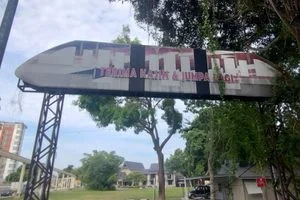
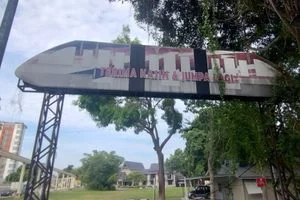
Now, much of the monorail's infrastructure is abandoned yet intact. The elevated tracks form a large loop but lead to no significant destinations, effectively rendering them useless. This oversight raises concerns about the planning processes that failed to integrate essential connectivity into the project's framework. The main office still stands filled with old promotional materials that highlight a once-promising vision of vibrant urban transit but feel ghostly in their quiet abandonment. Two carriages remain—one outside, on display, and another tucked away in what appears to be a maintenance area, forgotten. It's a stark reminder of a lofty ambition that ultimately fell short, and the sense of loss resonates through the deserted tracks and rusting vehicles. Visitors can access the exterior freely, but the interiors of the offices remain off-limits. This closed-off space starkly contrasts with the initial expectations for an interactive experience that would have drawn curiosity and interest from the public, highlighting how enthusiasm for a project can wane amid disappointing outcomes. The decision to close it permanently seems more pragmatic considering its low patronage, which points to a broader issue in urban development: the gap between infrastructure investment and actual public use. Those involved may have envisioned burgeoning ridership; what they got was an emblem of mislaid priorities.
Analyzing the Broader Implications
Melaka's monorail serves as a cautionary tale about the risks of overambitious public transport projects. These undertakings often require extensive planning, sustainable funding, and thorough studies of public demand. Failure to address any of these aspects can result in projects that, even when complete, fail to meet community needs or usage expectations. Observing similar projects around the world brings into focus the recurring theme: transportation systems need more than cash to succeed. They require an understanding of human behavior, urban development patterns, and demographic trends.
Moreover, this situation shines a light on the implications of decision-making within city planning departments. If you're working in this space, you'll recognize the blend of optimism and oversight that can lead to shortfalls like this. What this means is that stakeholders must prioritize comprehensive feasibility studies before embarking on large-scale investments. Too often, decision-makers may be swayed by flashy blueprints and grand promises, forgetting that infrastructure must serve a functional need in everyday life.
There's a wider significance here, particularly in how municipalities manage public transportation. A failing project can erode public trust, and when citizens lose faith, they'll resist future initiatives, fearing they might repeat the same mistakes. This is particularly problematic in regions like Melaka where alternative forms of transport might already be limited. Such failures can set communities back in terms of mobility and accessibility, impacting local economies.
For planners and developers, the Melaka monorail offers lessons that should resonate. Emphasizing connectivity, understanding user needs, and ensuring maintainability are essential components of viable transit solutions. It's about striking a balance between ambition and practicality. As for the monorail's abandoned infrastructure, it stands as a reminder that even the most well-intentioned projects can become relics of a vision that never materialized.
Future Outlook for Urban Transport in Melaka
Looking towards the future, the fate of Melaka's monorail could stimulate discussions about its potential repurposing. Town officials might consider transforming these neglected tracks into pedestrian or cycling paths, capitalizing on the existing infrastructure while encouraging eco-friendly transport alternatives. Exploring how local history and urban planning can interact might breathe new life into what remains rather than total abandonment.
Such initiatives could promote community engagement and enhance the urban fabric in ways that merely preserving the decaying infrastructure won’t achieve. Who knows? This misadventure might serve as a catalyst for more thoughtful transportation solutions that better cater to local needs, fostering both mobility and community spirit. The lesson here is stark: before locking in future transport plans, planners must engage with the community and be responsive to their insights and needs. Perhaps this next phase in Melaka’s transit journey can reframe what once was a cautionary tale into a hopeful narrative of reclamation and urban renewal.
Discussion
Sign in to join the discussion.