A mosaic by Limassol Primary School students serves as a poignant memorial to genocide victims, emphasizing the significance of history in art.
A Creative Tribute in Limassol
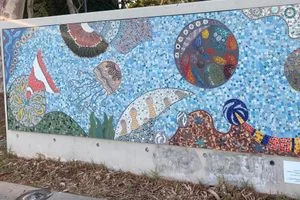
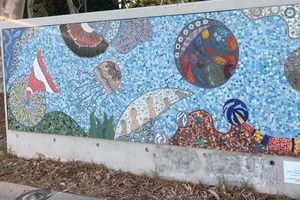
Installed within a low wall in Limassol, the mosaic "Deep Silent Gaze" first appears to be a bright representation of marine life. Crafted in 2025 by students from Limassol Primary School IB, Lanitio, under the guidance of teacher Elena Haralambous, the piece features a vibrant display of teal petals and shimmering glass that might remind viewers of sea anemones and fish scales, capturing the essence of underwater beauty. This artistic vision isn't merely an aesthetic choice; it's a deliberate reflection of the Mediterranean environment that surrounds Limassol. The sea has always played a pivotal role in shaping both the cultural identity and economic foundations of this region.
A Deeper Significance
However, the significance of this artwork transforms when one turns to the accompanying plaque. Designed as a memorial, it honors the memories of children lost to various genocides, including those in Palestine, Rwanda, the Holocaust, Pontus, and Armenia. Each of these events marks a dark chapter in human history, filled with unimaginable suffering. To intertwine this heartbreaking narrative with artistic expression is a poignant reminder of the power of art to convey complex emotions and histories. It transcends mere decoration, becoming a form of public mourning and remembrance.
The plaque poignantly concludes with a tribute to Cypriot children, reflecting on the scars left by the Turkish invasion of 1974. This specific reference brings a local context that resonates with the residents of Limassol and Cyprus as a whole. Cyprus has a long and complex history marked by division and conflict, and acknowledging this history through the medium of art is not just significant but necessary for promoting healing and understanding. It's a bold move, reminding a younger generation of their shared history and urging them to be conscious of the past.
Art as a Medium for Education
The involvement of students from Limassol Primary School IB adds another layer to the mosaic. When children are empowered to create art that carries profound meanings, they engage in an educational experience that goes beyond their standard curriculum. Such initiatives teach them not just about art but also about empathy, history, and the responsibilities that come with remembrance. Learning in this context becomes multidimensional; students are urged to understand their heritage and the importance of collective memory.
Teachers like Elena Haralambous play a vital role in facilitating this understanding. By guiding students while emphasizing the artistic processes, they foster a sense of community involvement and personal connection to these serious topics. Moreover, school projects like this one highlight the importance of integrating social issues into educational frameworks. If you’re working in this space, consider how art can be a vehicle for both expression and social responsibility. The effort to marry artistic creativity with social consciousness should inspire educators everywhere.
The Role of Public Art in Community Healing
Public art installations serve as important mediums for community engagement and healing. They invite dialogue among residents and can become focal points of local identity. "Deep Silent Gaze" doesn’t merely sit as an art piece but becomes a gathering spot for reflection and commemoration. As people pass by, they engage with the narrative the artwork presents, and in doing so, they remember. They reflect on the loss and suffering, as well as the importance of standing against future atrocities. This mosaic draws the community together in a shared experience of memory and hope.
It's been observed that meaningful public art can mitigate feelings of isolation within communities, particularly those marked by division. By offering a shared space for contemplation, works like "Deep Silent Gaze" remind us that recovery from trauma is often a collective process. This creates opportunities for conversations about reconciliation, prompting individuals to consider how they can honor the past even as they look toward the future.
The Broader Implications for Art and Politics
In many ways, this mosaic reflects a broader societal trend where art is increasingly seen as a tool for activism. It challenges the notion that public art should only serve aesthetic or promotional purposes. Instead, it asserts that art can bear witness to history and promote social justice. Similar initiatives around the globe, from memorials to murals, illustrate how communities use art to address issues of loss, injustice, and collective identity. Such artistic expressions serve as a reminder of the societal obligations we hold toward honoring victims of violence and prejudice.
What this means for you as a community member or an artist is significant. There’s a call to action to create spaces for voices often silenced, much like how the mosaic honors the memory of children lost to conflict. This art piece serves as a site where history is not just remembered but is actively engaged with, prompting conversations about prevention of future violence.
Looking Forward: The Future of Public Art as a Medium of Remembrance
As discussions about genocide, suffering, and human rights continue to evolve, public art will likely play a more critical role in shaping these narratives. Art, like "Deep Silent Gaze," prepares the future generation to think critically about history and humanitarian issues. Future artists and educators may take cues from such projects, developing works that reflect community struggles while promoting healing.
Ultimately, "Deep Silent Gaze" stands not just as a tribute but as an educational cornerstone and civic engagement tool. Through thoughtful artistic expression, it champions the idea that while the past is marked by pain, the future can be shaped by remembrance, empathy, and community solidarity.
Discussion
Sign in to join the discussion.