Madrid's Metro stations, particularly Argüelles, feature vibrant mosaics that combine art and local heritage, enriching the commuter experience.
Transforming Transit: A Cultural Shift
Madrid's Metro has evolved beyond a mere transit system. It's becoming a cultural landmark that transforms everyday commuting into an experience rich in art and local heritage. This transition reflects a growing trend among cities worldwide to integrate art into public spaces, enhancing not just the aesthetic appeal but also the overall commuter experience.
As urban areas become increasingly congested, finding ways to make transit more appealing and engaging is essential. What's happening in Madrid isn't just about transportation; it's about embracing culture and fostering connections among residents and visitors. This approach humanizes the transit experience, allowing people to see beyond the rush of daily life. Instead of simply waiting for their trains, commuters now have the opportunity to appreciate art that tells stories about the city's past, present, and future.
The Art of Mosaics: More than Decoration
At the heart of this artistic expansion lie the mosaics, which turn the mundane corridors and platforms into colorful narratives reflecting Madrid's essence. These mosaics are not merely decorative; they are designed to invoke a sense of place and community. Each piece has a purpose, aimed at enhancing the passenger's journey through engaging visual storytelling.
Art in public transportation is often used as a strategic tool to improve the environment. Similar systems typically employ elements like murals or sculptures to achieve this, but Madrid's mosaics stand out because of their intricacy and local relevance. These artworks do more than brighten the space; they offer a vibrant connection to Madrid's heritage and artistry.
An Example Worth Noticing: Argüelles Station
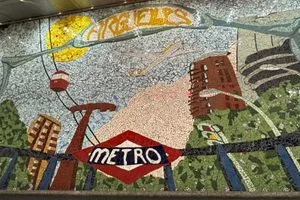
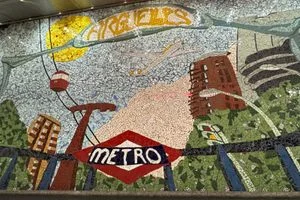
One standout example is the mosaic at Argüelles station, created by J. Ruiz in 1995. This piece is situated near the Calle Princesa entrance, and it vividly captures the character of the Argüelles neighborhood. The mosaic showcases the leafy Parque del Oeste along with iconic local structures, making it a significant visual representation of the area. Those details don't just create a pretty picture; they offer insights into the community's identity.
Importantly, the Teleférico de Madrid soars through the artwork, symbolizing the connection between different parts of the city while an airplane navigates the bright blue sky, hinting at Madrid's importance as a travel hub. Framed by the Metro's distinctive logo and the station’s name, it serves as a striking introduction to the vibrant world of Argüelles before riders venture below.
The Bigger Picture: Art and Identity
The transformation of Madrid's Metro stations into artistic showcases reflects a broader conversation about urban identity and public space usage. Art has the power to transcend the ordinary, instilling a sense of pride and belonging within a community. When you traverse the city via these transformed stations, you're not just passing through; you're part of a larger narrative.
For local residents, these mosaics may evoke memories or emotions tied to their experiences in these spaces. For tourists and newcomers, they provide an engaging introduction to the complexity and richness of Madrid's culture. This connection to place can strengthen ties among community members, fostering a shared cultural identity that can be particularly valuable in an increasingly globalized society.
Implications for Transit Systems
This movement towards integrating art into transit systems isn't merely an aesthetic decision; it carries significant implications for urban design and community engagement. Other cities looking to enhance their public transit may take cues from Madrid’s approach. This could lead to an increase in public art installations, encouraging local artists while simultaneously improving the transit experience for users.
If you're working in this space, whether as a city planner or a public artist, this trend offers a model for how infrastructure can be used to reflect local identity and promote cultural engagement. However, one has to approach this with caution. There’s the risk of art becoming merely a decorative layer on what’s still a functional asset. Ensuring that the art is genuinely reflective of the community’s voice is key, rather than something imposed from above.
The Future of Transport and Art
As cities continue to grapple with urban expansion and changing demographics, the integration of art into transportation is likely to become more prevalent. Creative approaches to public transit can make boring commutes more tolerable and even enjoyable. That said, the evolving relationship between transit systems and public art will require ongoing discussions about funding, community engagement, and the long-term maintenance of these artworks.
Ultimately, the success of these initiatives will rely on collaboration between artists, urban planners, and the communities they serve. Balancing artistic vision with practical considerations can yield spaces that are not just functional but also inspiring.
Art in transit is, at its core, about connection and storytelling. It serves as a reminder of what cities can offer when they place culture and community at the center of their designs. The people of Madrid are experiencing this firsthand, with the aesthetic transformation of their Metro helping to solidify both the city’s character and its residents' pride. And that? It might just paint a brighter future for us all.


Discussion
Sign in to join the discussion.