Discover the unique treasures and historical significance of Mumbai's oldest museum, showcasing artifacts that narrate the city's captivating past.
A Jewel of Mumbai's Cultural Heritage
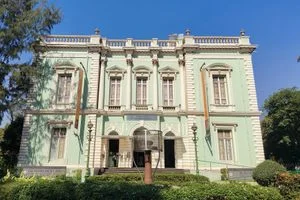
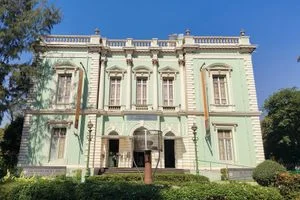
Nestled within Veermata Jijabai Bhosale Udyan in Byculla, the striking turquoise structure of the Dr. Bhau Daji Lad Museum stands as a vivid representation of Mumbai's colonial architecture. Established in 1857, its foundation coincides with a broader movement inspired by the Great Exhibition of 1851 in London. This connection is more than just a historical tidbit; it speaks volumes about the aspirations and colonial aspirations that shaped many institutions in India during that time. As the oldest museum in Mumbai, this establishment embodies the city's complex narrative formed by years of cultural confluence, colonialism, and local heritage.
A Historic Landmark
Originally named the Victoria and Albert Museum, this institution is far more than just a building; it's a piece of living history. It holds significant historical importance as the first structure specifically designed to function as a museum in colonial India, a fact that emphasizes both its architectural prowess and its role in society at that time. In 1975, the museum was renamed to honor Dr. Bhau Daji Lad, a prominent figure of the 19th century. He was not only a scholar and surgeon but also a social reformer whose contributions extended beyond the museum's construction into the modernization efforts of Mumbai at large. His dedication highlights the synergy that can exist between academia, social reform, and cultural preservation.
Collections Worth Exploring
The interior of the museum doesn't just house artifacts; it narrates a story of a bygone era. With a vast array of historical items including statues, paintings, and artifacts, the museum offers a deep dive into the past. One particularly notable exhibit is a detailed model of Bombay Castle, a key structure in the city’s early development. This model not only showcases architectural details but also serves as an educational tool, helping visitors understand the military and administrative roles that such buildings played in shaping the city’s governance.
But wait, there's more. It's easy to overlook the antique maps about the original seven islands that formed Mumbai before the substantial land reclamation projects altered the geography. These maps are crucial for understanding how urban planning transformed a diverse locale into a bustling metropolitan hub. The museum's collection doesn't stop there; it extends to models of historical ships and boats that were instrumental in trade and maritime defense. These exhibits are striking for their craftsmanship and educational value, illustrating the maritime history that’s often sidelined in discussions of land-based heritage.
And this is the part most people overlook: alongside these significant maritime artifacts stands a sizeable statue of an elephant, which once adorned Elephanta Island. This piece serves as a poignant reminder of the cultural practices and artistic expressions that have shaped Mumbai. Such elements may seem trivial at first glance, but they are critical to understanding the city's identity beyond just its colonial legacy.
Insights into Mumbai’s Rich History
Ultimately, the Dr. Bhau Daji Lad Museum is more than a dusty collection of items; it offers invaluable insights into Mumbai's rich history. That’s why this museum is an essential stop for anyone looking to grasp the complex interplay of influences that have molded the city into what it is today. From colonial interests to local craftsmanship, the narratives embedded in the museum highlight the unique blend of cultures that have existed and coexisted throughout the ages. If you're working in this space, understanding these components is vital not just for academic purposes but for appreciating the local culture.
Future Outlook and Implications
As Mumbai continues to evolve, the role of cultural institutions like the Dr. Bhau Daji Lad Museum remains significant. These institutions will need to adapt to modern expectations while staying true to their educational and historical missions. There's growing pressure on museums worldwide to become more inclusive, and this one can serve as a case study for others. Engaging local communities and integrating technology into exhibitions could provide deeper experiences for visitors and foster a greater appreciation for Mumbai's diverse heritage.
The significance of this museum goes beyond its walls. It represents a commitment to preserving culture in a rapidly changing urban landscape—a notion that resonates broadly as cities face the dual challenges of modernization and historical preservation. For those in the cultural sector, this might be a call to action: to innovate while remembering the past. As we look ahead, the Dr. Bhau Daji Lad Museum stands as an enduring symbol of what it means to honor history while nurturing the future.


Discussion
Sign in to join the discussion.