Green Party leader Zack Polanski's declaration of being an anti-Zionist ignites debate at a hustings event in London, challenging mainstream narratives.
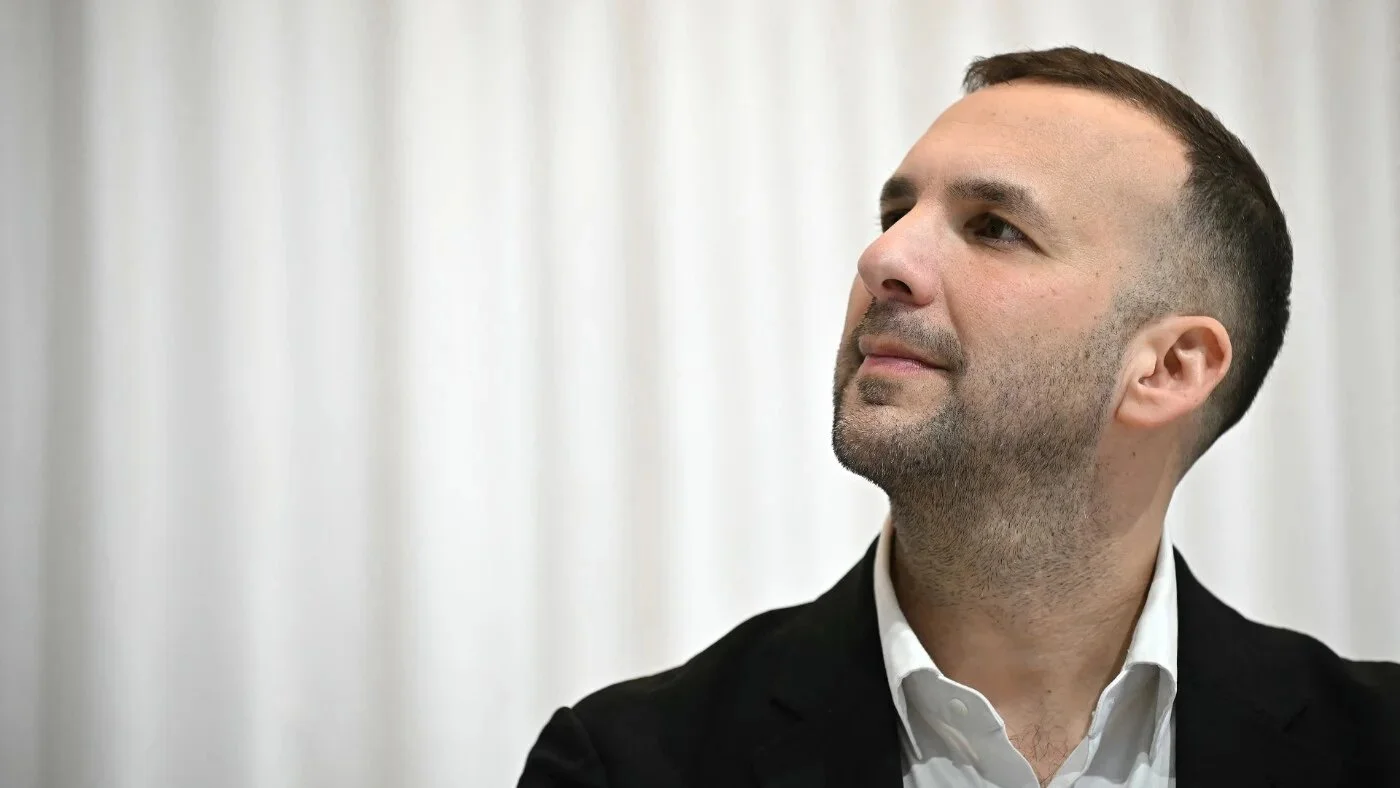
“I’m an anti-Zionist,” declared Zack Polanski during a recent hustings for the Holborn and St Pancras by-election, making him the first contemporary leader of a significant British political party to openly embrace this position.
When questioned at an event organized by the Board of Deputies of British Jews and the London Jewish Forum, Polanski elaborated, “I think if you’re defining Zionism as the displacement and genocide of the Palestinians, then that is racist.” His comment marked a stark deviation from the often-heated discussions surrounding the topic of Zionism, which typically evoke strong emotions, especially within the Jewish community. The turbulence inherent in the conversation on Zionism isn't just a matter of ideology—it's tied to identity for many, creating a volatile atmosphere around discussions like these.
Polanski's Position and its Implications
Polanski, who is a Jewish member of his party, knows the sensitivity of his words and the delicate balance he must strike. His assertion came during a time of heightened tensions globally surrounding the Israeli-Palestinian conflict, making his position even more provocative. The hustings became intense as he offered his opinions on Israel and Palestine, referencing “what I would class as apartheid and genocide,” leading to heated exchanges with the audience. This kind of rhetoric not only challenges the status quo but also prompts a necessary dialogue about the ethical implications of state policies and actions.
“Many genocide scholars around the world recognize it as genocide,” Polanski stated, asserting that labeling Israel’s military actions in Gaza in this manner shouldn't be seen as antisemitic. His comments sparked alternating waves of agreement and hostility. Some audience members screamed back, “It is, it is!” targeting his assertions, showcasing the polarized opinions that have long been a hallmark of the debate. Here’s the thing: such emotionally charged exchanges underscore the broader challenges of discussing Israel's policies within both political and social contexts. There's often a distinct lack of nuance when addressing complex realities, especially within historically charged conversations.
'If you’re defining Zionism as the displacement and genocide of the Palestinians, which is how in practice Zionism has become in truth, then that is racist'
- Zack Polanski
Polanski challenged the audience's responses, pressing for a clearer distinction between criticism of Israel’s actions and genuine antisemitism. He cautioned that conflating these ideas could threaten the safety and security of Jewish individuals globally. “We cannot hold Jewish people responsible for what happens in Israel,” he emphasized, a statement reflecting a critical perspective on communal responsibility and identity. His comments, while aimed at creating a more nuanced discussion, received a mixed reception in the room. This division illustrates the struggles of establishing a coherent dialogue amid deeply entrenched beliefs and fears.
Reactions from Other Candidates
During the same event, candidates from other parties were asked directly about their stance on Zionism. Labour candidate Sagal Abdi-Wali, aiming to succeed Keir Starmer, opted for neutrality by stating she supports a two-state solution. This stance echoes a broader political consensus but might reflect a reluctance to engage deeply with the contentious narratives surrounding the conflict.
Liberal Democrat Patrick Stillman took a more explicit position in favor of a Jewish state, while Conservative Ewan Cameron and Reform Party's Pete Newman both identified as Zionists. This contrast highlights an ongoing challenge for political figures in the UK, particularly regarding how they navigate a discussion fraught with emotion and historical weight. Polanski's anti-Zionist perspective stands out in a political environment where such admissions are rare, serving to amplify the existing polarization.
The backlash from Polanski's comments included accusations questioning his impartiality and echoes of a sentiment that asserted the term “genocide” was exclusive to the Holocaust. This reaction underscores the risk of meaningful dialogue being derailed by deeply ingrained sensitivities surrounding history and identity. Escalating tensions around the Israeli-Palestinian conflict have put many Jewish individuals on high alert, leading to an atmosphere where any criticism can feel like an attack.
A Historical Context of Zionism
Polanski’s stance isn’t in isolation; it aligns with the historical currents of Zionism that emerged in the late 19th century, primarily as a response to widespread antisemitism across Europe. The Balfour Declaration of 1917 marked an important moment for the movement, as the British government expressed support for a “national home for the Jewish people” in Palestine. However, this act set off a chain of events that would forever alter the lives of many Palestinians, a reality that's often glossed over in more mainstream discussions about the conflict.
By the end of World War II, the plight of the Jewish people in Europe led to increased immigration to Palestine, ultimately culminating in the establishment of Israel in 1948. However, this reality also led to the displacement of more than 750,000 Palestinians during the Nakba, a stark and painful chapter in history often omitted from broader narratives. These historical facts are central to understanding the contemporary debates surrounding Zionism and its implications on both sides of the issue.
In light of Polanski's statements, there’s little doubt that conversations on Zionism and its consequences remain contentious in British politics, illustrating the wider struggle to acknowledge differing viewpoints on a complex historical and moral issue. This isn’t merely a political argument; it’s about identities, beliefs, and the legacies of suffering that continue to shape the narrative.
Future Outlook: A Polarized Political Arena
As the Holborn and St Pancras by-election approaches on 8 October, Polanski’s bold pronouncements may continue to resonate—challenging both his constituents and the broader discourse on the issue of Israel and Palestine. If you're working in this space, it's imperative to realize that the polarization isn’t merely about policy; it affects public perception and community relations. The implications of these discussions on future elections, party dynamics, and community interactions could be significant.
Polanski's comments may raise the stakes for other political candidates, pushing them to take clearer stands or risk scrutiny. In today’s volatile political climate, especially regarding such a fraught topic, the tendency will likely be to tread carefully. But, with attitudes slowly shifting among younger voters, a new era may emerge where these conversations can be addressed more openly—if both sides are willing to engage critically and compassionately.


Discussion
Sign in to join the discussion.