The Nick Weerts Memorial Phone Booth in Madison invites callers to experience a blend of nostalgia and community through recorded memories.
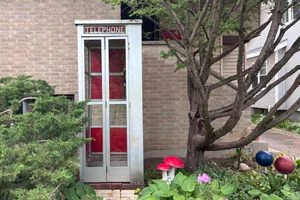
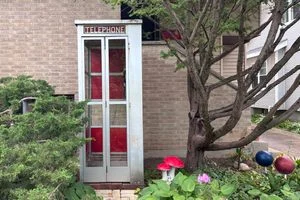
A Phone Booth Like No Other
On Madison’s East Side, a distinctive phone booth offers a unique experience—picking up the receiver initiates a connection to a tapestry of recorded sounds, but no live conversation. This innovative installation challenges our conventional understanding of communication, redefining it in a way that resonates deeply within the community.
A Tribute with Personal Significance
The Nick Weerts Memorial Phone Booth honors Nicholas Bennett Weerts, who passed away unexpectedly in 2017. He held a peculiar fascination for payphones, which ultimately inspired this creative memorial nearly a decade after his death. When you step into this memorial, you're not just interacting with a piece of equipment; you're engaging with a concept that reflects the fragility of life and the richness of human connection.
Sounds of the Past, Present, and Future
When someone lifts the receiver, over ten hours of diverse recordings come alive. Each call presents a new experience, whether it’s snippets of music, joyous family gatherings, comedic exchanges, or everyday moments captured long ago. It's a unique auditory journey that connects people through shared experiences. After disconnecting, callers can pick up the phone again for a fresh auditory journey—this idea of cyclical engagement is a powerful reminder of how we often return to memories but also how new ones can emerge unexpectedly.
A Flip on a Japanese Concept
While the concept is somewhat akin to Japan’s “wind phones,” where visitors converse with the deceased, Madison's booth flips this idea. Visitors don’t reach out to the past; rather, they hear voices from it. It’s a noteworthy twist that transforms the act of remembrance. Instead of seeking solace through conversation with lost loved ones, individuals here immerse themselves in a rich tapestry of historical echoes, fostering a different type of reflection and connection.
A Community Vibrates within the Booth
This installation goes beyond being a mere tribute to one individual; it’s designed as a dynamic community art piece. Over time, visitors will have the opportunity to add their own recordings, transforming the booth into a communal archive reflective of Madison's evolving narrative. Every new recording not only enriches the booth's offerings but also invites a sense of ownership among locals. (And this is the part most people overlook: the idea that memory can be a collaborative project.)
An Open Invitation to Reflect
There isn’t a wrong way to engage with the phone booth, and the anticipation lies in the element of surprise—just pick up the receiver and embrace whatever soundscape awaits. This spontaneity is key to the booth's appeal, creating an intimate space for self-reflection and emotional processing. The unpredictability of what you might hear encourages you to let go of prescriptive expectations about how to experience it.
Implications for Art and Community Engagement
What this means for you, whether you're an artist, a resident of Madison, or just a curious traveler, is that this project represents a significant shift in how public art can function. Historically, public art pieces have often been static—offering a singular narrative or experience. Here, the story is continuously being rewritten, redefining what it means to encounter collective memory. As more recordings are added, it suggests that art can be alive, fluid, and deeply personal, reflecting the community's ongoing evolution.
A Look Ahead
Looking towards the future, this phone booth could be a precursor to similar installations in other communities. Whether cities adopt the concept or blend it with their unique histories, the idea of creating public spaces that encourage shared storytelling could gain traction. As a result, we may see a rise in art that encourages active participation rather than passive observation. This represents an exciting shift in how we think about memory, communication, and community. With the right approach, these initiatives can foster deeper connections among residents, reminding them of the shared narrative they create together.


Discussion
Sign in to join the discussion.