The Quilters Hall of Fame showcases the legacy of Marie Webster and offers a glimpse into the artistry of quilting in a historic setting.
Marion, Indiana: A Hidden Gem for Quilt Enthusiasts
Known for its basketball history and as the hometown of Hollywood legend James Dean, Marion, Indiana, also harbors a unique cultural treasure: the Quilters Hall of Fame. While many might associate this small Midwestern city with sports and cinema, its contributions to the world of quilts and textile arts are equally noteworthy. The Quilters Hall of Fame shines a spotlight on quilting, an art form that has been overshadowed in popular culture but remains vital to American history and craftsmanship.
Marie Webster: A Pioneer of American Quilting
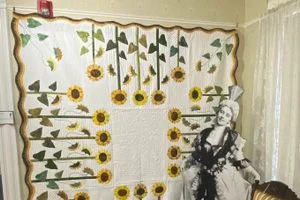
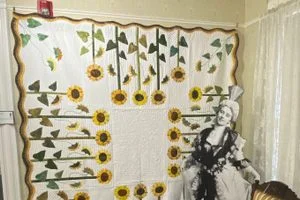
Marie Webster is a pivotal figure in the art of quilting and a driving force behind the Quilters Hall of Fame. Born in 1859 in nearby Wabash, Webster had a prolific career from 1911 to 1921 that transformed quilting from a domestic hobby into a respected craft. She achieved significant recognition when her quilt patterns were published in the prestigious Ladies' Home Journal, thereby introducing quilting to a broader audience.
What’s fascinating about Webster’s career is that it was not merely about creating beautiful quilts; she also established a successful mail-order quilt pattern business, connecting enthusiasts to her designs across the country. Her influence extended beyond commerce as she authored the seminal book Quilts: Their Story and How to Make Them, which captured the essence of quilting's cultural significance. Throughout her lifetime, she was an active participant in quilting competitions—serving as a judge—and these experiences solidified her legacy as a revered figure in American textile arts. Her induction into the Hall of Fame in 1991 is not just a recognition of her artistic talent but a testament to her role in elevating the status of quilting as an art form.
The Time-Intensive Art of Quilting
Creating a quilt by hand is no small feat. Depending on the complexity of the design, it can require dozens, even hundreds, of hours. This time commitment speaks volumes about the artistry and dedication involved in quilting. Many designers adhere to the “Rule of 7,” a guideline that suggests incorporating seven distinct fabrics into a single quilt. This approach allows for a rich interplay of patterns and textures, from bold thematic prints that catch the eye to subtle accent pieces that provide nuance.
From cultural significance to aesthetic appeal, quilting has a unique capacity to reflect personal stories and community traditions. Each quilt can be seen as a narrative woven into fabric, where colors and patterns serve as storytelling devices. This personal connection makes the art form deeply meaningful for both creators and viewers. Yet, it also highlights how quilting often requires time and patience—attributes that seem increasingly scarce in our fast-paced, convenience-driven society. If you're working in this space, you'll recognize how this contrasts sharply with the rapid consumption culture prevalent today.
The Marie Webster House: A Historical Landmark
The Quilters Hall of Fame is housed in the historic Marie Webster House, a structure completed in 1902. This Victorian gem, characterized by its Arts and Crafts influences, symbolizes a celebration of handmade craftsmanship, aligning perfectly with Webster's dedication to quilting. Upon its completion, Marie and her husband George hosted an elaborate celebration for Marion’s elite, setting the stage for her flourishing career in textiles.
Following George's death in 1938, Marie continued to live in their home until 1942. After her departure, the house fell into disrepair—an unfortunate fate for many historic homes. However, a restoration effort breathes new life into the property, enabling it to earn accolades including placements on both the Indiana Register of Historic Sites and the National Register of Historic Places in 1992. Today, the house stands not just as a preserved structure, but as a physical representation of the rich tapestry of history and artistry entwined within the quilting community.
Visiting the Quilters Hall of Fame
The Quilters Hall of Fame curates four distinct collections each year, providing a platform for different quilting styles and techniques. The Hall welcomes visitors from Tuesday to Saturday, between 10:00 a.m. and 4:00 p.m., though it’s important to note that winter months see a closure for the season. Admission is reasonably priced at $7, with discounts for seniors, while children under 12 can enjoy free entry when accompanied by an adult, creating an inviting atmosphere for families.
Ample parking is available behind the building, making it convenient for visitors to stop by and engage with the fascinating world of quilting. The Hall serves not only as a museum of sorts but also as a community hub that fosters appreciation for quilting as both an art and a cultural tradition.
Implications and Significance in the Modern Context
The Quilters Hall of Fame's efforts to educate the public about quilting go beyond mere nostalgia. In today's rapidly evolving craft culture, there’s a tangible need to preserve and elevate traditional art forms. Quilting may seem like an activity of the past, but it embodies practices of sustainability, creativity, and community. As a counter-trend to mass-produced textiles, artisanship in quilting invites individuals to slow down and engage meaningfully with their craft. This might inspire a new generation of quilters, connecting them to historical roots while encouraging personal expression through fabric.
In essence, organizations like the Quilters Hall of Fame are vital in bridging connections between past and present, honoring legacies while simultaneously sparking fresh interest in a respected but underappreciated craft. What this means for you is that if you take an interest in textiles or craftsmanship, there's a compelling story waiting to be discovered in Marion, Indiana. The act of quilting, through the legacies of figures like Marie Webster, holds a promise of reflection, artistry, and community that resonates deeply in the contemporary world.


Discussion
Sign in to join the discussion.